Tafuliae | shell money
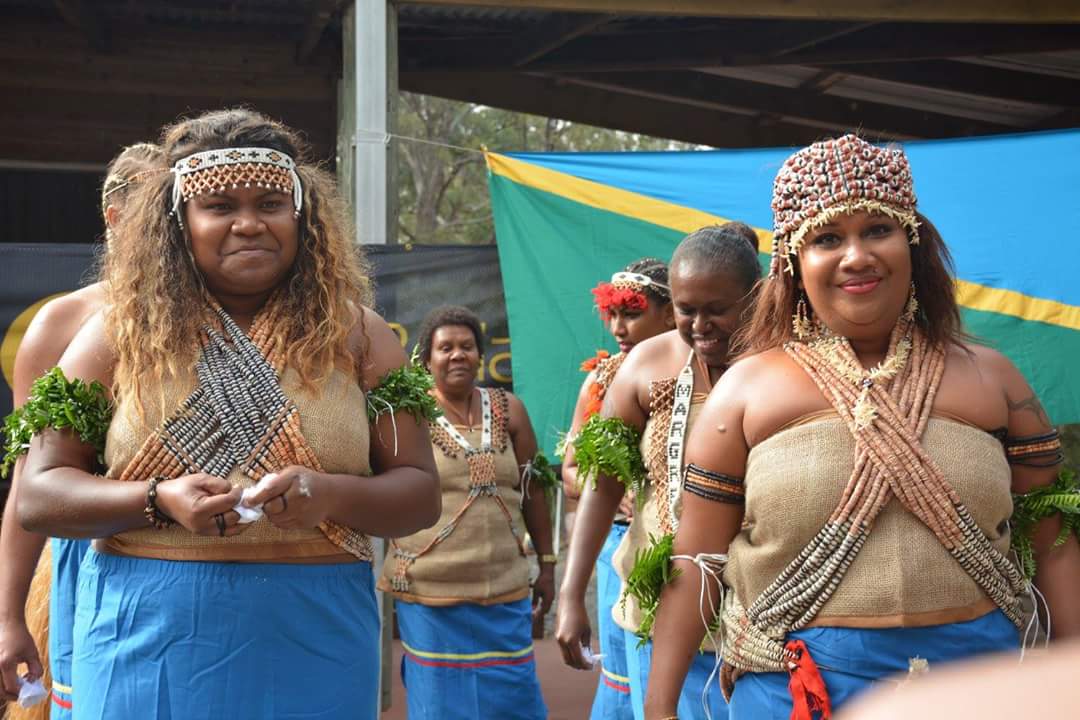
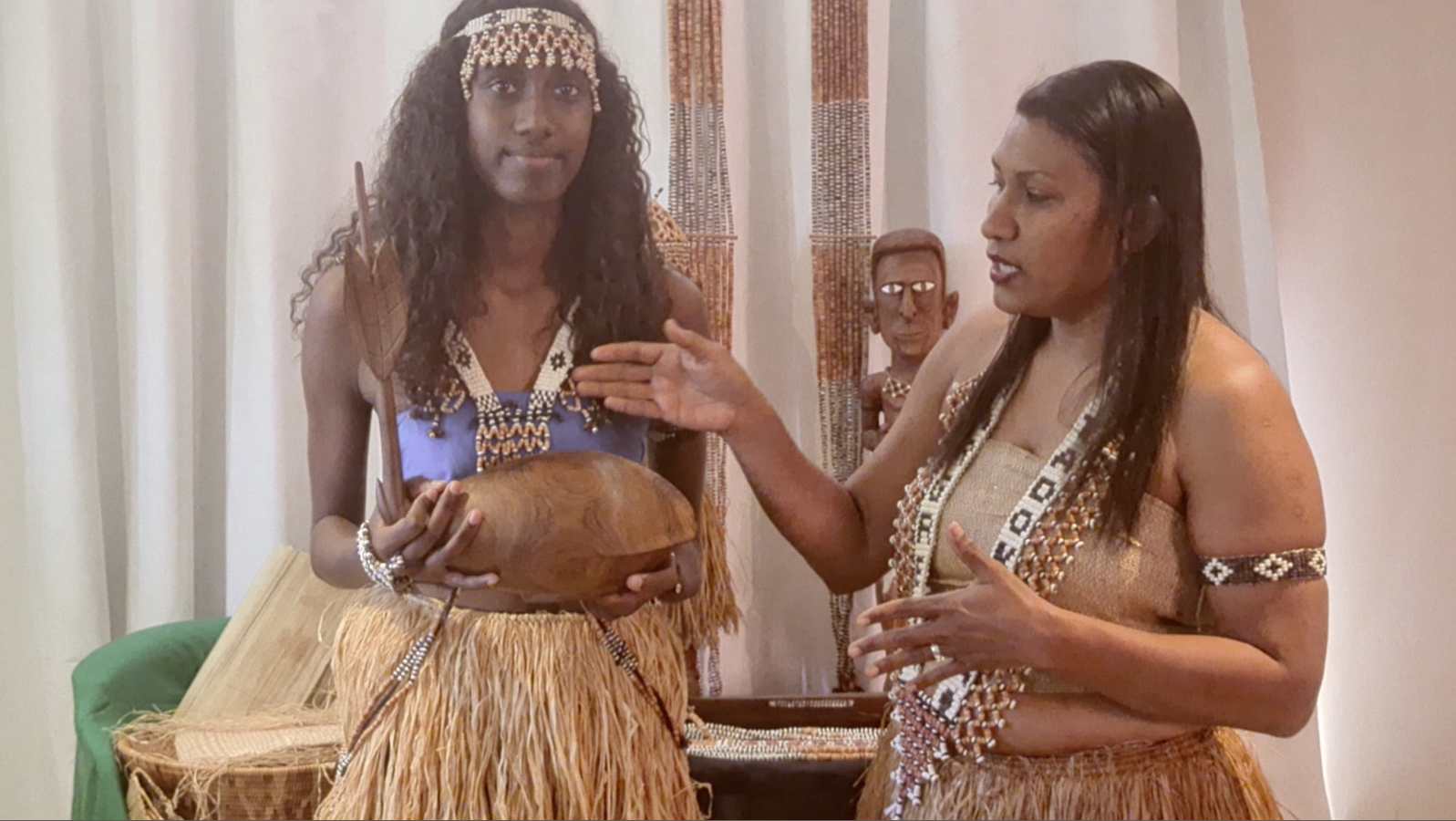
Margaret: Hi, my name is Margaret Teobasi Tadokata. I'm originally from Solomon Islands. I'll be talking to you about the shell money in Solomon Islands.
We have lots of different islands, but the shell money is originally from Malaita in a group of people called Langa Langa, which is in the western coast of Malaita.
In the history, there's a belief that there's a lady that came, travelled from Buin, which is in Bougainville. She travelled through a few islands, Guadalcanal, small Malaita, and then she arrived in Langa Langa lagoon, and settled in one of the artificial islands called Tafilo next to Laulasi.
Nowadays, if you want to see the traditional custom money shell making, it's mainly in Laulasi. That's where they do it for tourists.
The four types of shell we use to make the shell money—so we normally get them from the sea. The men normally go and get it. But nowadays in Langa Langa, there is no more shells. So, we buy it from other islands like Ngella or Western Province in other islands to supply us with the shell.
So, the four types: the red-lipped rock oyster is called romu and the white shell is called ke'e. The black horse mussell shells, it's a kurila. And the thick white disk, which is easily found in the mangroves is called kakadu.

'll tell you a bit more about what the shell money is used for. It's called a tafuliae—the ten strings and it comes in lots of different lengths. So six, seven, eight, nine foot. But the uses for it, is there's several uses they can use it for. One is if someone commits a crime in in a community or to families, they use it as a compensation to pay the fine. And it depends on the chief of the village. When they decide on the amount of shell money, the person, committing the crime have to pay. And the other way they use it for is to exchange for food. But the most what they used for the most is for bride price to build relationship between the bride and the groom.
Nowadays, a lot of people in Langa Langa, they make a lot of shell money for their living. They make necklaces, earrings, lots of jewellery. But the main thing that we make for money is the tafuliaes, and that helps to pay for school fees, to pay for living and all that of the people because they live in artificial islands. They don't have the land to grow food and to survive.


Tafuliae | bride price

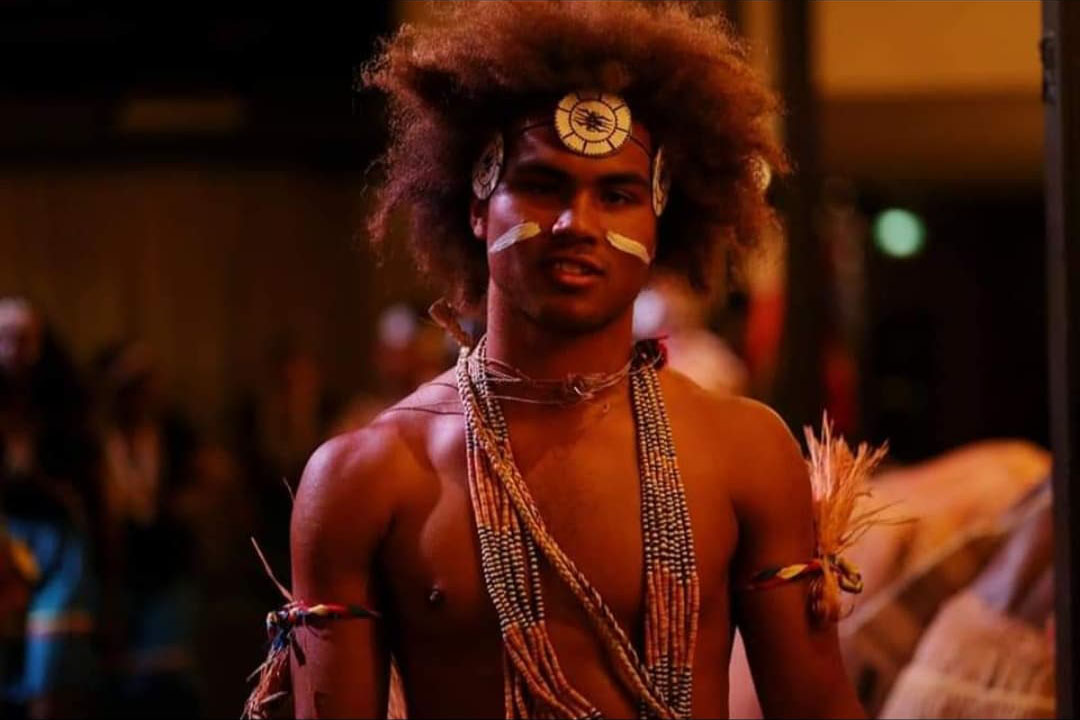
Margaret: Normally the groom's family prepare the shell and they come and exchange it for the bride. And the bride's family normally prepare food and they exchange for the shell. So, I'll tell you a bit more about how a bride in Langa Langa is dressed for her wedding.
When my daughter gets married, this is how I will dress her for her wedding ceremony. So, I put her in this one, is like a wedding dress, it's called Sao Sako. So, she comes with all these beads and all that and she got all her Launi | expensive jewellery which is all the decorations that comes with it, and a fofodara | headpiece. And then there's a very important bit that the parents give to the daughter when she goes, they make a crown of shell for her, but the crown is made up of lots of money, we put on the crown, and that's for her to go and establish her home with it. Whatever money is put there from the parents.
And also every Langa Langa girl, when they are walking out from their parents’ house to the husband's house, parents give her a coconut fruit that's already got leaves and starting to bloom to go with. And normally on the leaves, they put lots of money on the leaves as well, because that's for her to start her home.
Traditionally, the coconut, this bride is this my daughter is taking this coconut to your home. And the aim is for her to be fruitful, to go and produce children for the husband's family and to make their tribe big. And that's the success that exchange for the bride price.
During the bride price, there is a very special tafuliae, which is called Wyluma. And this is for a special one, only one that's made. And it's the biggest, the longest and biggest, and it's got the biggest red in the middle. And the meaning of that is for the payment for the mother of the bride saying thank you to the mother of the bride. It's a description payment for the uterus that this child has grown in and become a beautiful girl that we have received. So that’s just saying thank you to the mother—the mother is acknowledged as well during the bride price.
More stories
Explore more personal stories, sacred histories and treasures from Victorian Pacific communities.