Staying connected to home
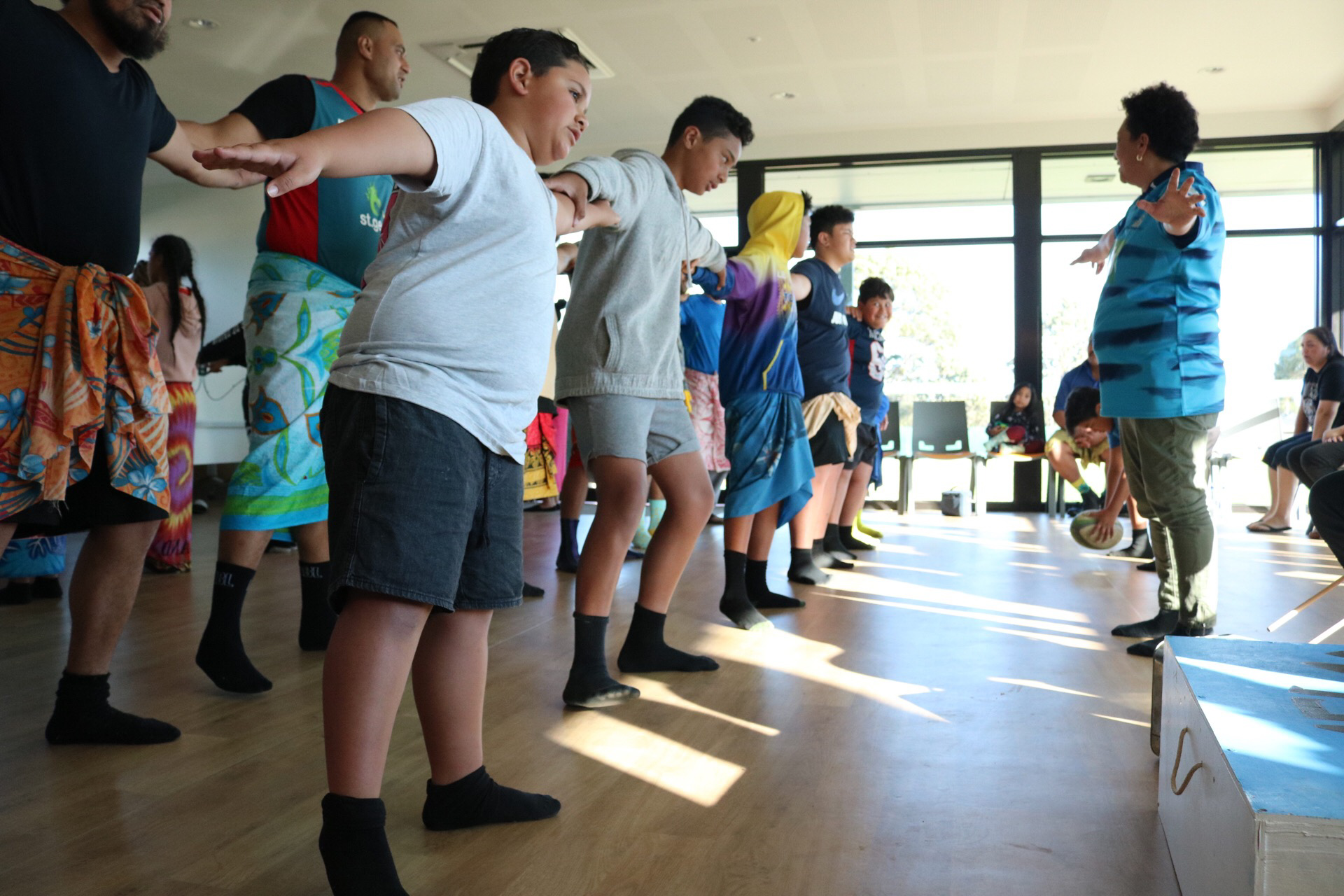
Lafaele speaks about his family’s connection to Tokelau.
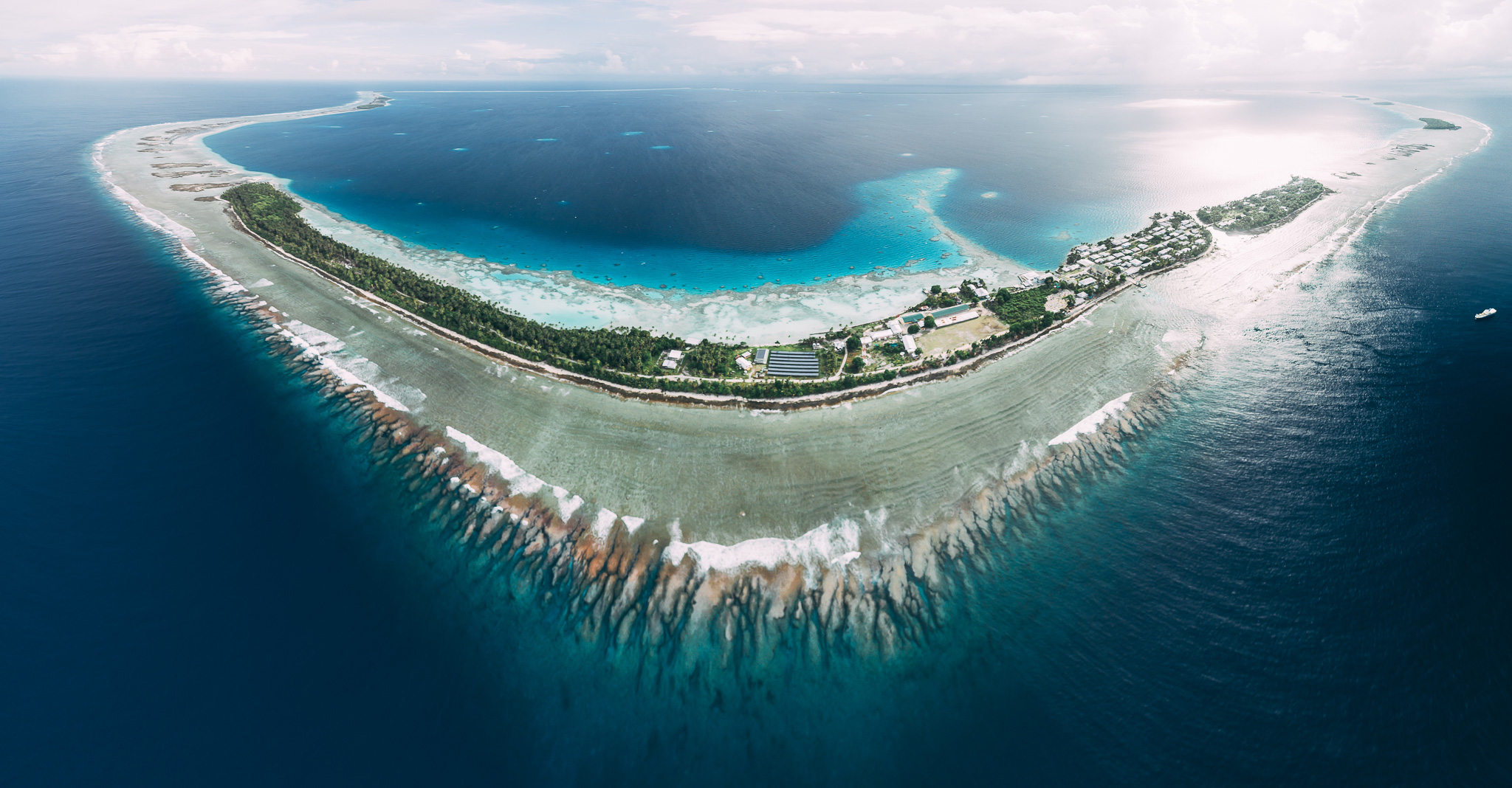
My name is Lafaele Timoteo. My parents both being Tokelauans, my father from the atolls of Nukunonu and my mother from the atoll of Fakaofo, Tokelau. So three atolls make up Tokelau: Nukunonu Fakaofo and Atafu. There’s a village on each atoll. There’s around 500–600 people on each atoll.
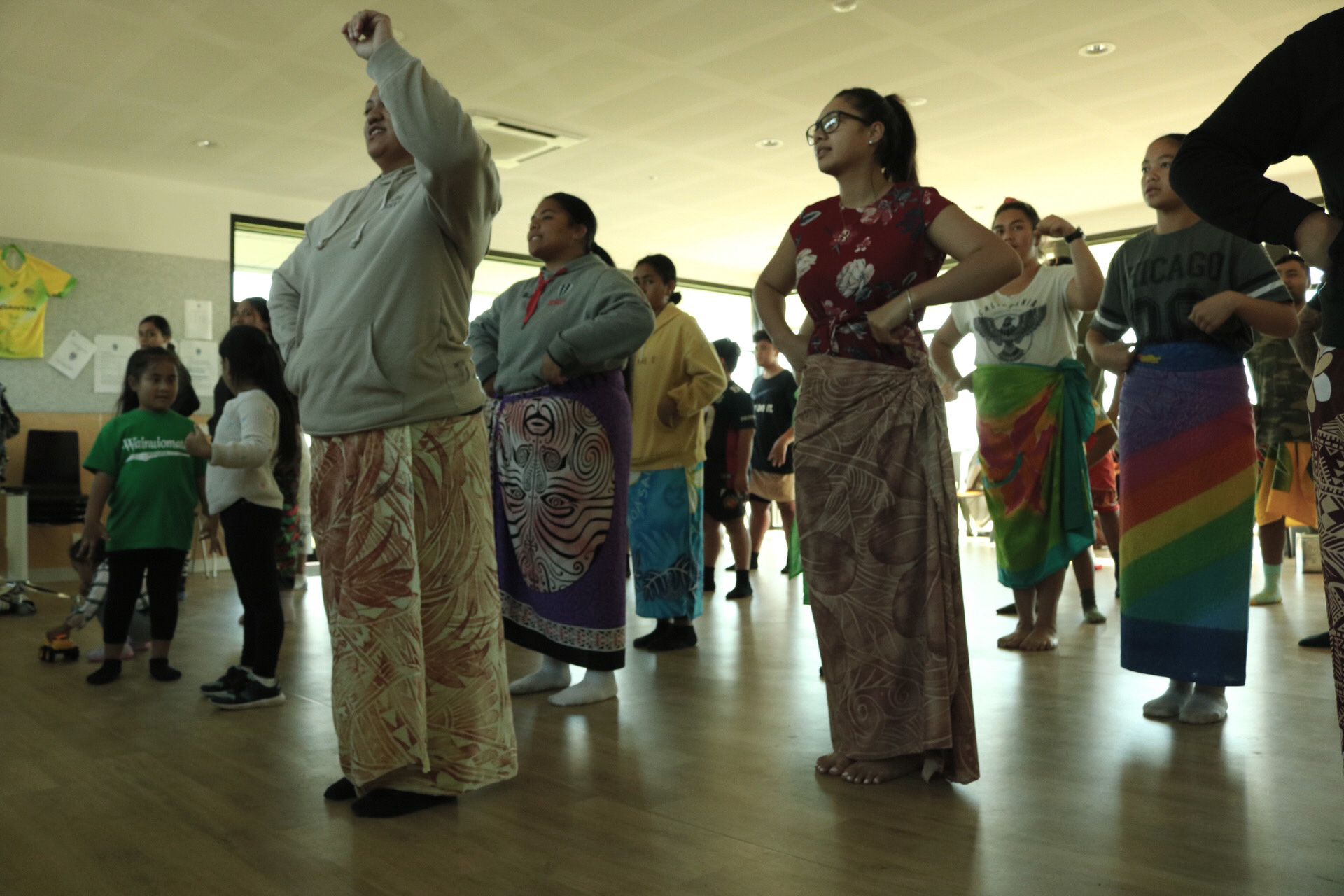
Life is good for those there, just as it is for those outside of Tokelau who take pride of being Tokelauan. It’s really important for me because it’s where my parents were born, raised until they’re adults. They emigrated to NZ in ‘66, ‘65 I think, and of course I came a couple years later. In regards to being here in Melbourne, so we’ve been here for about eight years. 2012 we came here and of course, through the networks and the relationships of family, we were, made our stay here in Melbourne a lot more comfortable and it was easy to come here and be a part of a few other like-minded people who wanted to ensure that the identity of our young people—so we thought it was important that our kids learn some aspects of our culture.
Life in the atolls … island life, it’s really, still is a very simplistic life. It’s all based in the village. Because of our connections, that we're pretty much all related in some way, shape or form, you can actually take your ties to anyone on these atolls and pretty much have a connection or a tie ’cause we only came from a small pool. So in saying that, back in the late 1800s, Tokelau was unfortunately came to a halt as blackbirding boats, which is the boats of slave traders, came through and decimated our our small atolls.
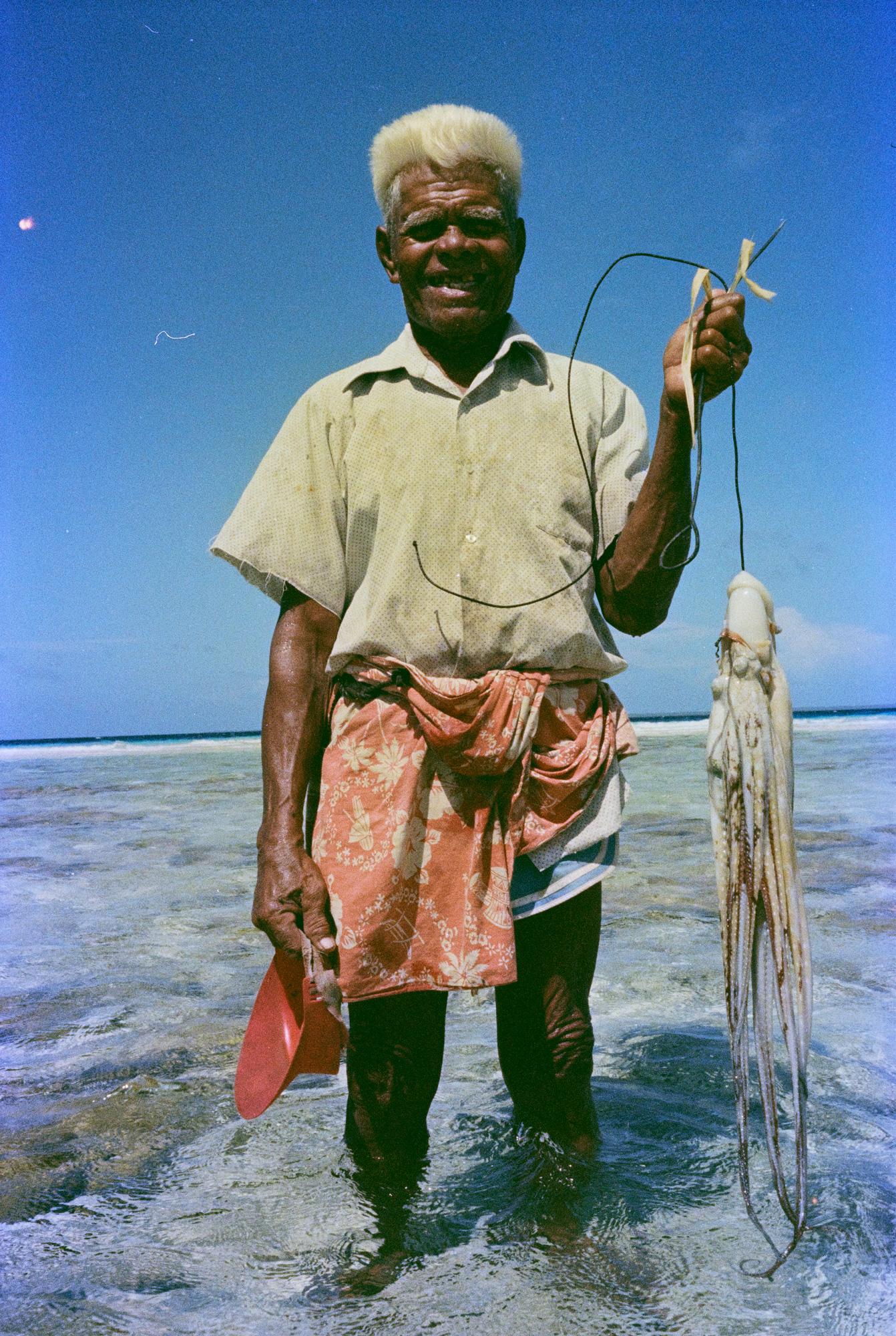
We’re very in touch with nature 'cause nature sustains us which is probably why we always pay great respect to the ocean. As climate change affects our relying upon our resources, particularly the sea and of course the people within our community. Everything we used to do was via our fishing or we grew it, and of course once our shop came into existence then we started to import a lot of our food and items.
We don't have a lot of land. We cherish what we have, and more importantly, we want to ensure into the future that our children and our future generations can share the experience and really the fenua | land that they were born on.

Protecting Tokelau
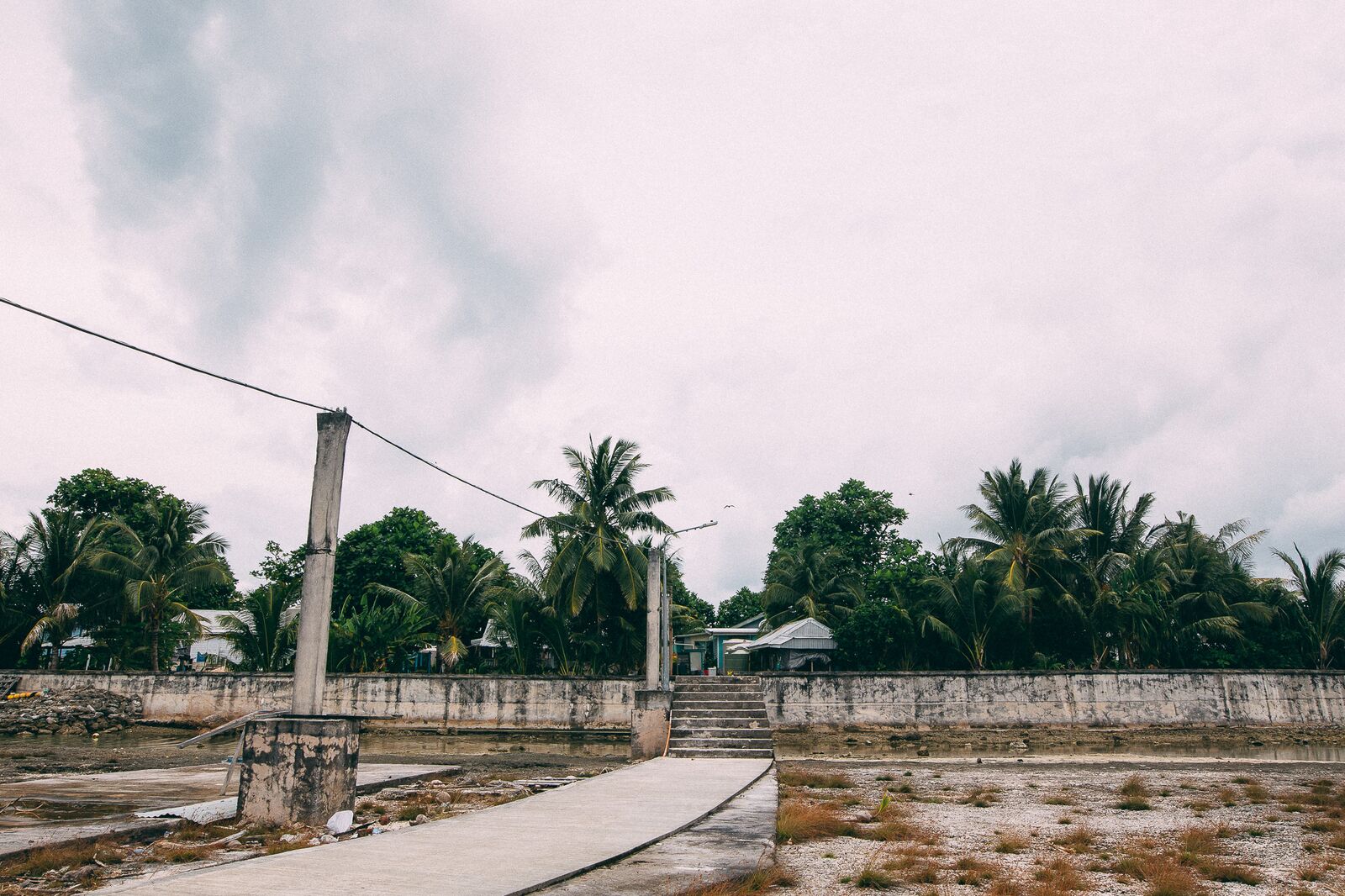
Lafaele describes the effects of climate change in the Pacific.
When I first heard about climate change and this was a number of years ago, it wasn't looked at as something that would affect us, it was something that was coming onto the scene. The scientists were talking about it. They were warning us about certain aspects of what what may lay ahead. And one of the the one of the things that really stood out and which we've seen in effect in particular, as is in regards to rising sea levels. And the first time I'd seen it, not in Tokelau, but it was actually in Tuvalu.
With one of the first first to be truly affected by the rise of sea of our sea levels, where they've actually started to lose land, precious land, the little land that that is there,
they ended up a group, a village or a group of Tuvaluans left
They then left Tuvalu
because of the effects of the rising sea levels
Footage: Andrew Matautia 2017 Source: Te Papa
Tokelau’s in the same position being low lying atolls
I think in Tokelau the highest point is about six metres above sea level.
the leaders in Tokelau were the ones who actually started to take note of
the effects on our neighbours and other 30.10 in particular atolls
we've seen the real change in life and the effect on life. And that's going to be us if we don't,
raise our voices or that we don't continue to challenge those
who keep the status quo or who are the deniers of of really the real realities and the effects of what is upon us. So in summary, really, climate change, because it affects everything that we do because
our existence is based around our ocean,
climate change affects
our relying upon our resources, particularly the sea. And, of course, the people within our community.
We're at the end of the chain when it comes to climate change, because we know that some of the big producers in our world. Big producers of what contributes to climate change, they've already said that they're not going to change until something drastic happens on their side of the equation. We're an island side of the equation. We were affected many, many years ago. So hence when you see these climate change, I don’t call them protest, I just call them advisory movements because we're not trying to we're not protesting. We're trying to be heard in this realm of of these big countries whose whose efforts affect us in such a way that it can actually. It can take our life, it can take our life or our lifestyles away from us, and we've seen that with villages of people having to vacate their homelands because of climate change.
Theres a Māori word, I remember being in New Zealand, and thats Kaitiaki . Kaitiaki is the guardian of their resources of their land. And as kaitiaki would say, he's not the owner of this land, he's here to nurture it and look after it to ensure that those who come after him get to share the great benefits and love that those before them have had.
More stories
Explore more personal stories, sacred histories and treasures from Victorian Pacific communities.