Meet the storyteller, Princess Lātūfuipeka
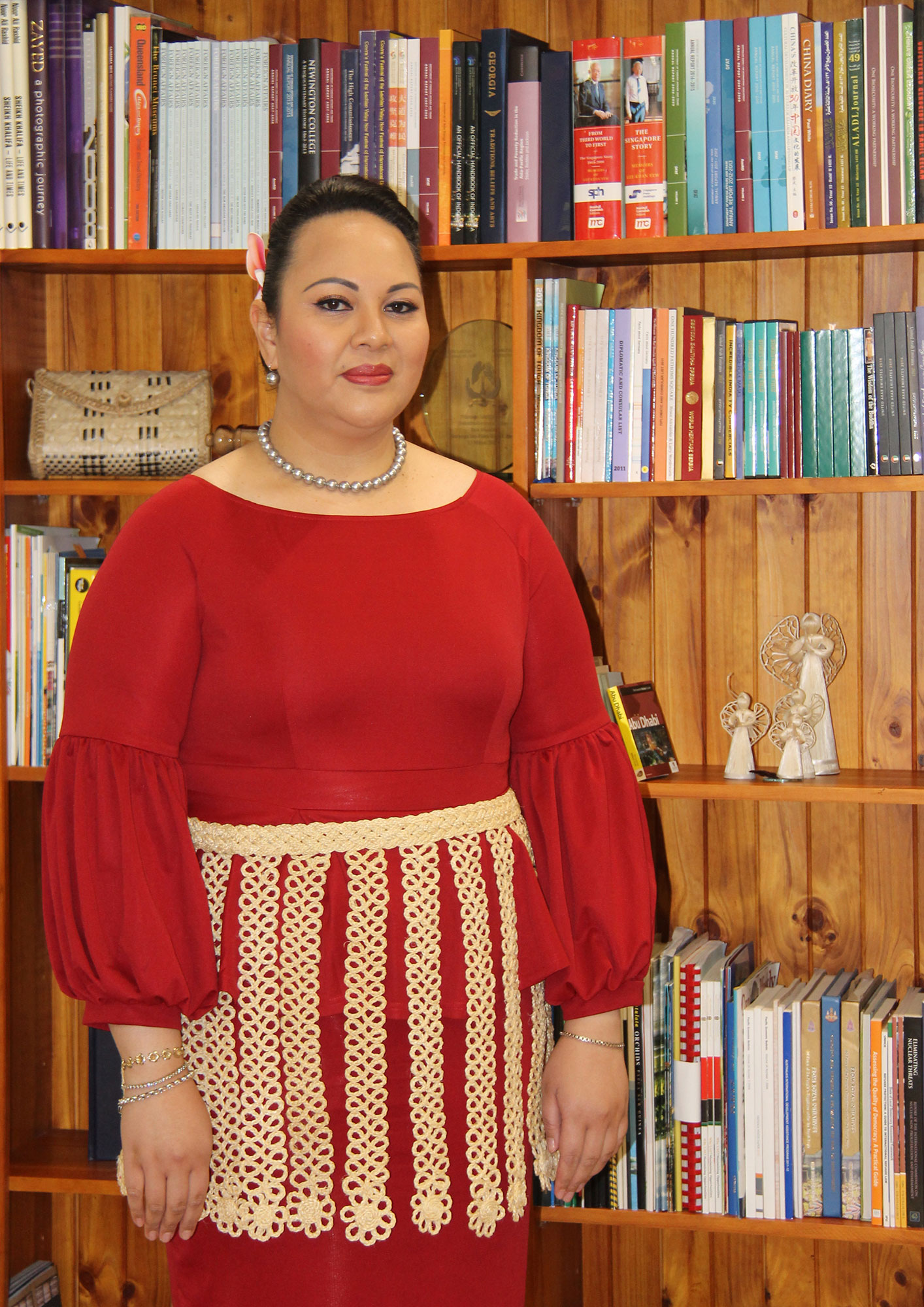
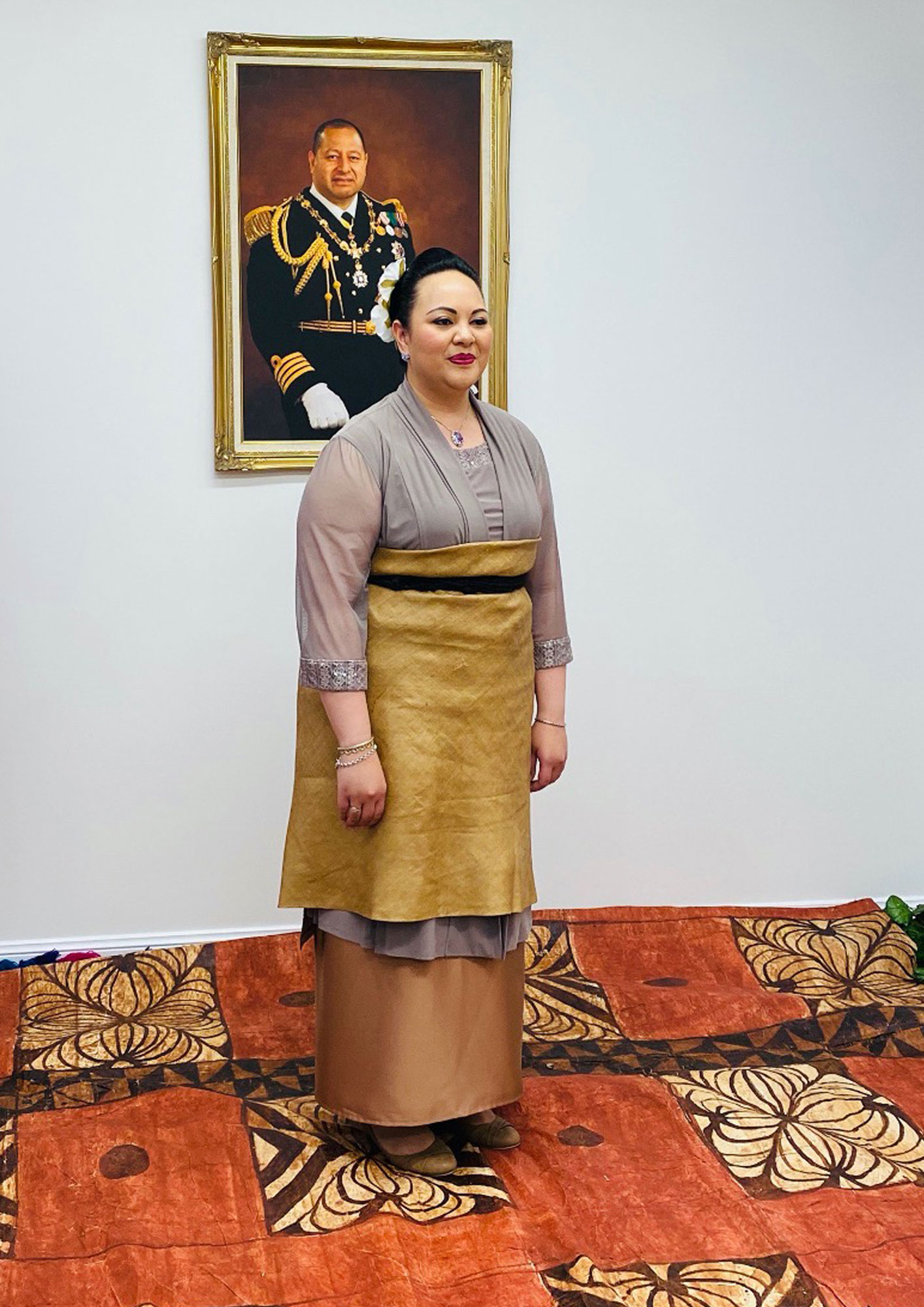
Princess Lātūfuipeka: My name is Angelika Lātūfuipeka Halaevalu Mata’aho Napua ‘Okalani Tuku’aho. I am the eldest and only daughter of Their Majesties King Tupou VI and Queen Nanasipau’u of the Kingdom of Tonga. I wear a number of hats, being closely involved with the Tongan youth, charities, nonprofit organizations and communities. My duty is to contribute to the unity and stability of my country through leadership responsibilities and cultivating national interests for the prosperity and wellbeing of my people. I am currently the High Commissioner of Tonga to Australia based in Canberra.
Princess Fusipala in Melbourne
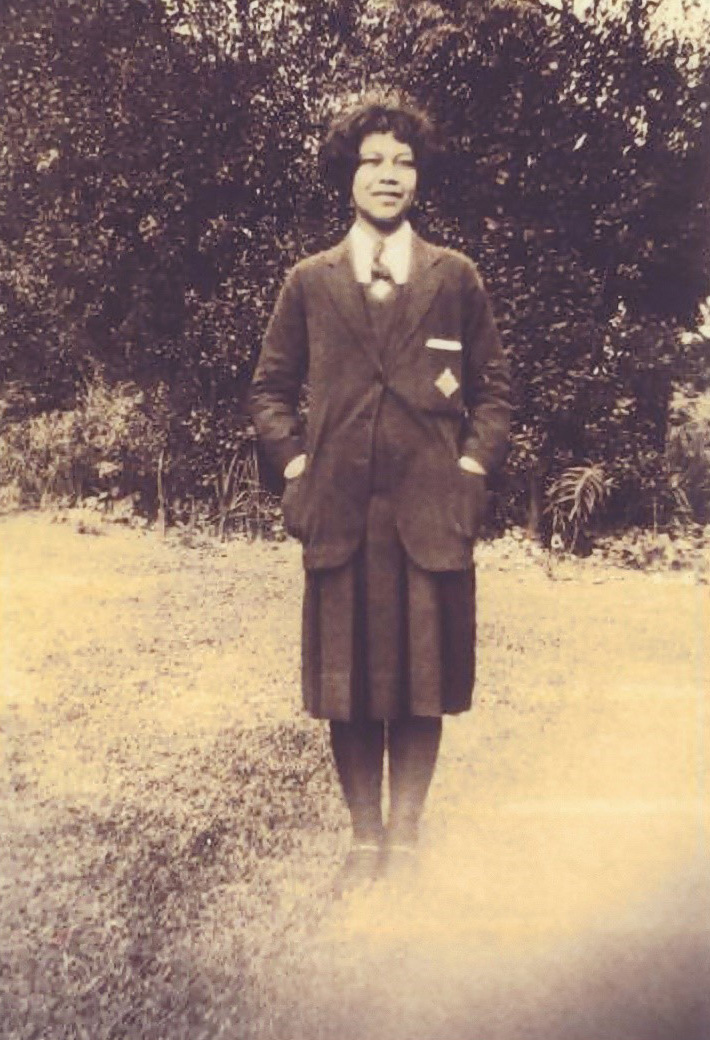
Princess Lātūfuipeka speaks about Princess Fusipala’s life in Melbourne.
Princess Lātūfuipeka: Queen Sālote and her Consort, Prince Tungi, thought it would be better to send Princess Fusipala to the Methodist Ladies’ College, Melbourne, Australia, in the hope that she would become a loyal member of the Methodist Church in Australia and a dedicated member of the Free Wesleyan Church of Tonga.
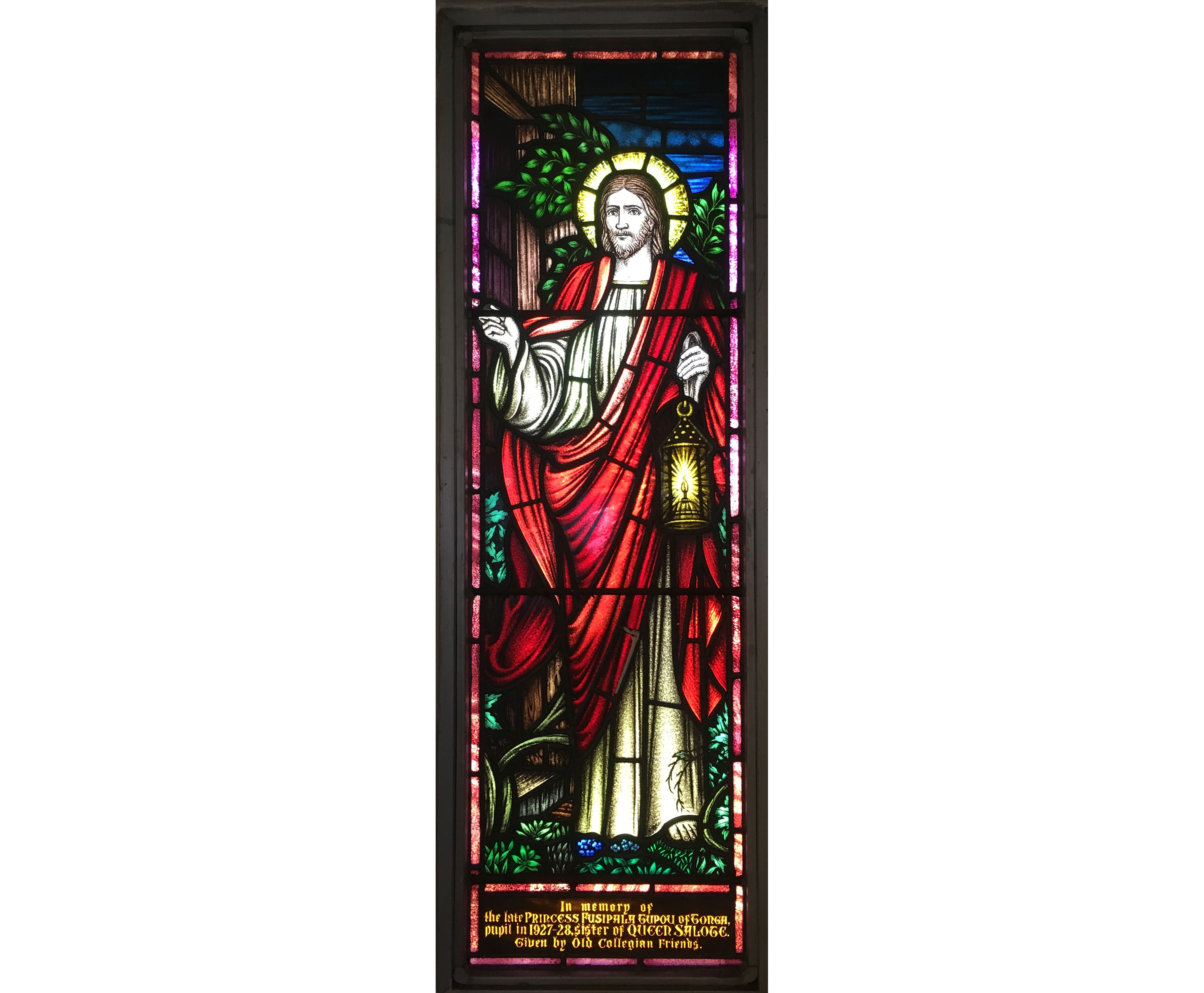
When Princess Fusipala turned 14 years old in 1926 she continued her studies in MLC. She was known at school as Fusi and her name that was recorded was Fusipala Tupou. She lived in the boarding house now called Tiddeman Boarding House and participated actively in school. The Princess left the College at the end of 1928 and she tragically died on a return visit to Australia in 1933. A special appeal was launched by her former classmates led by her dear friend Elsie Scholes to raise funds for a stained glass window in her honour at the Fitchett Chapel. The window is a representation of the painting The Light of the World by Holman Hunt, one of the founders of Pre-Raphaelite movement. It illustrates a quote from Christ, 'Behold, I stand at the door and knock; if any man hear my voice, and open the door, I will come to him, and will sup with him, and he with me.'
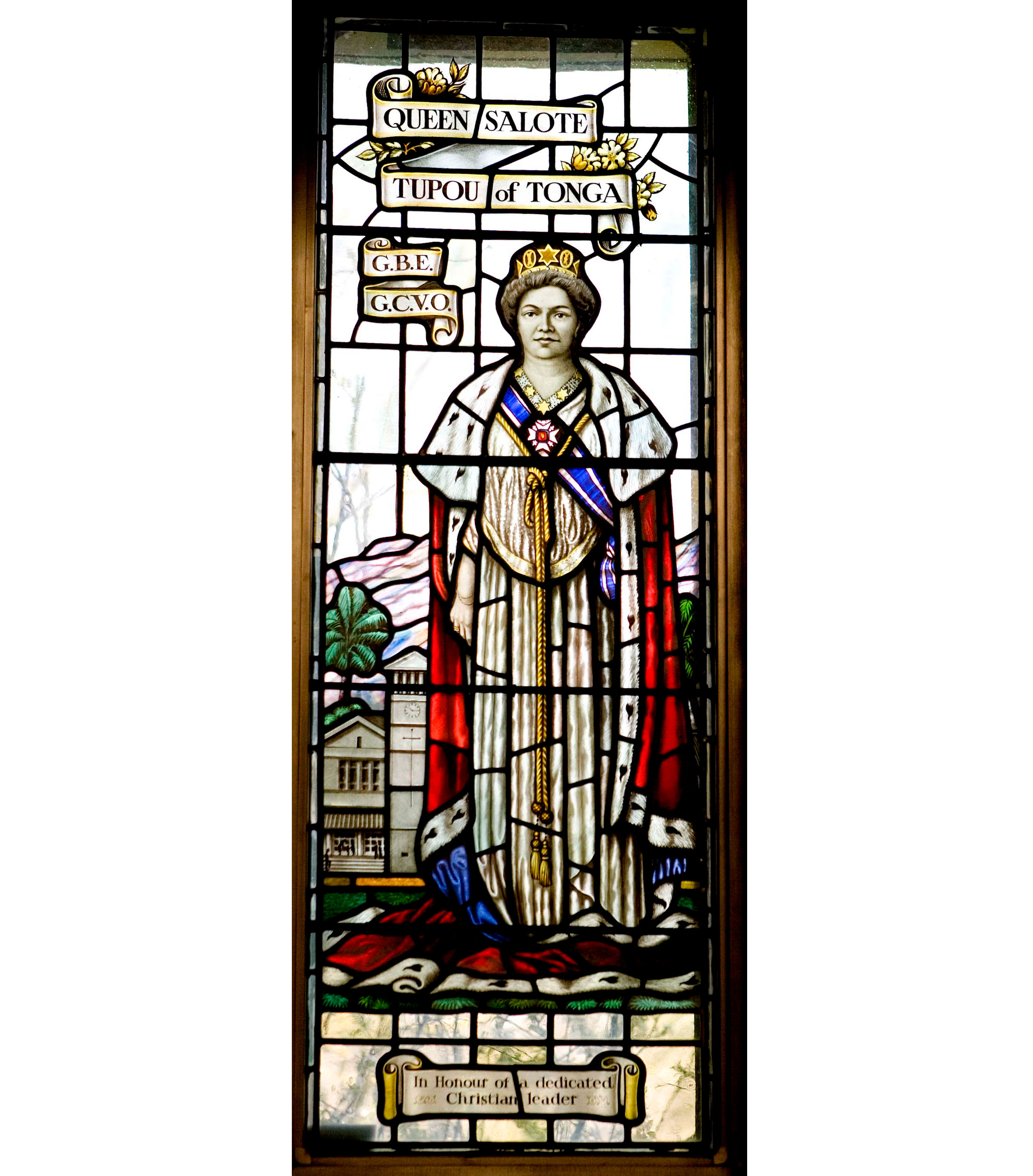
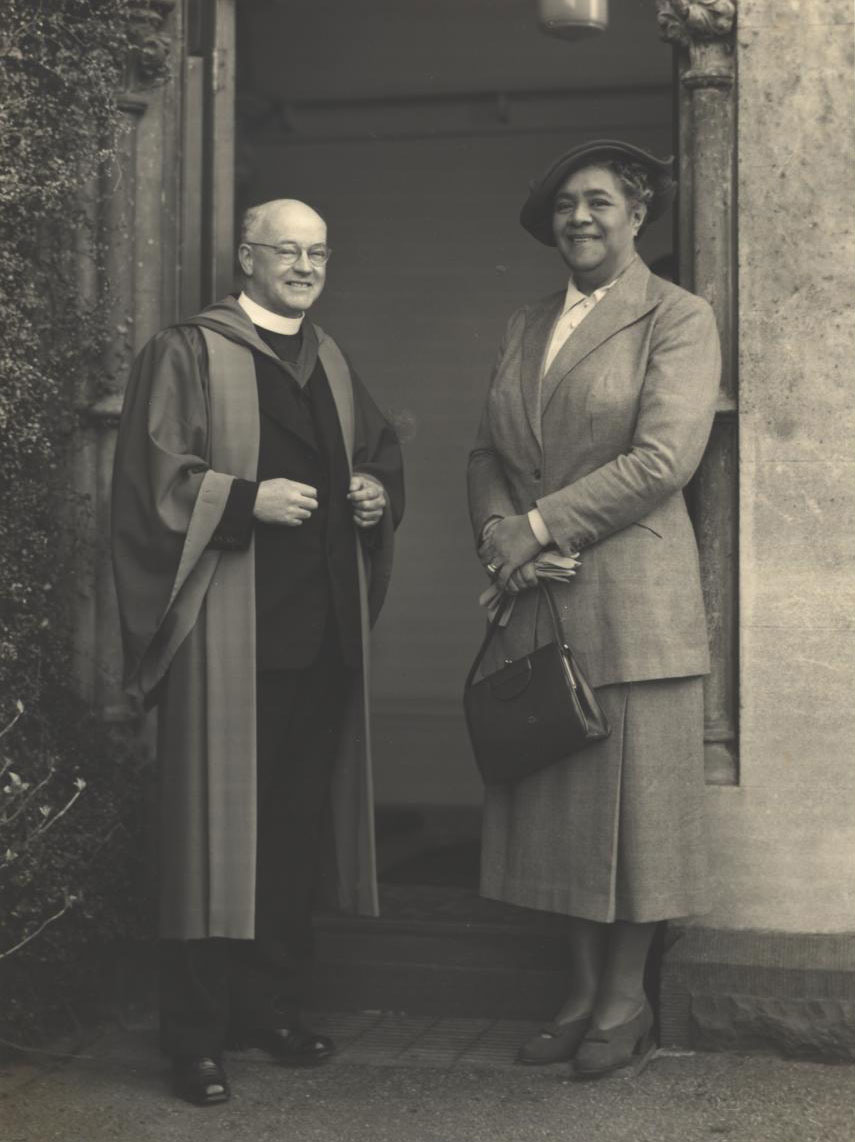
Queen Sālote was on her way to attend the coronation of Queen Elizabeth II in London and visited MLC in 1953 to lay the foundation of the College’s new Junior school. Queen Nanasipau’u also attended MLC in 1968 until 1969 before she continued her studies in London.
The reports that Queen Sālote received from Dr W H Fitchett, Principal of the Methodist Ladies College were hopeful. Fusipala was proving herself a good student with a quick mind and willingness to work. She won the respect and affection of both of her fellow students and her teachers. ‘Her general conduct is admirable, and she finds real enjoyment in the life of MLC. In music she really has a touch of genius. Fusipala was on the program for a piano solo by one of the great masters and she played it magnificently.’
A school friend, Elsie Scholes, confirmed that Fusipala was friendly and popular and developed her gifts for music, for she played not only the piano but also the organ, violin and ukulele and had a good singing voice. She was in demand to perform Tongan dances but otherwise lived the life of a papālangi | of European descent teenager of that time. When a Tupou College choir toured Australia in the early months of 1928, Fusipala joined in some of their Melbourne concerts by dancing the tau’olunga, playing the piano and singing ‘Drink to me only with thine eyes’ while the choir hummed the accompaniment. Crown Prince Taufa’ahau was a privileged member of the choir but Fusipala showed no aloofness with other members in spite of her royal rank, giving the Tupou College boys advice about papālangi ways, helping to prepare food for them and taking them to visit papālangi families.
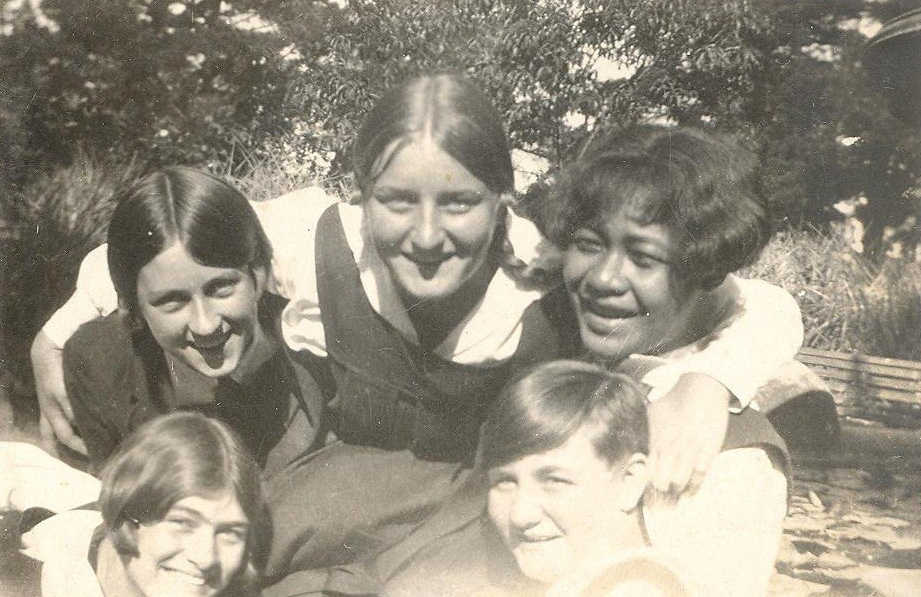
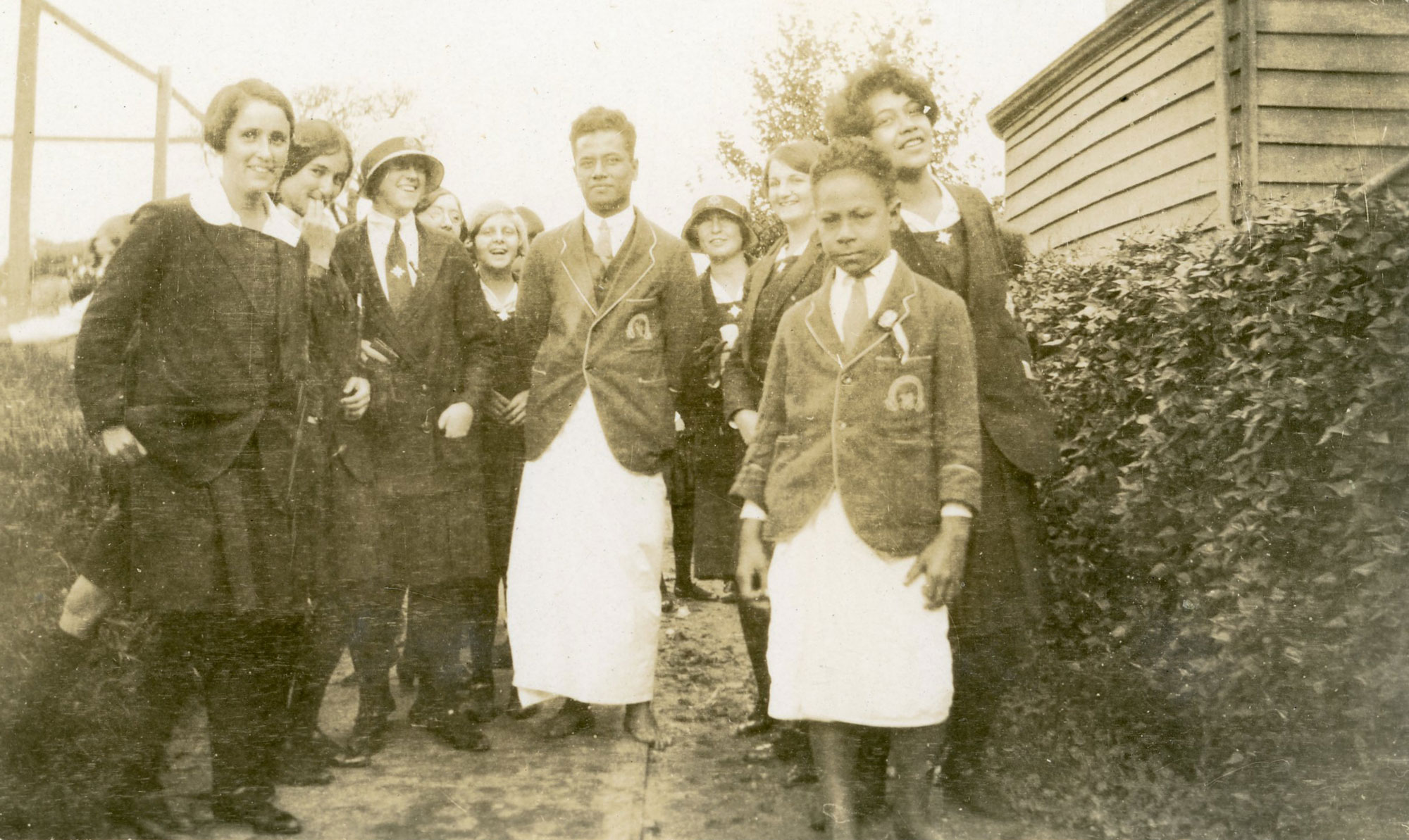
Left: Princess with fellow boarders in front gardens of MLC, c. 1927 Right:Tongan Boys’ Choir with MLC students, including Princess Fusipala, 1928
Princess ‘Elisiva Fusipala Tauki’onetuku Tupou
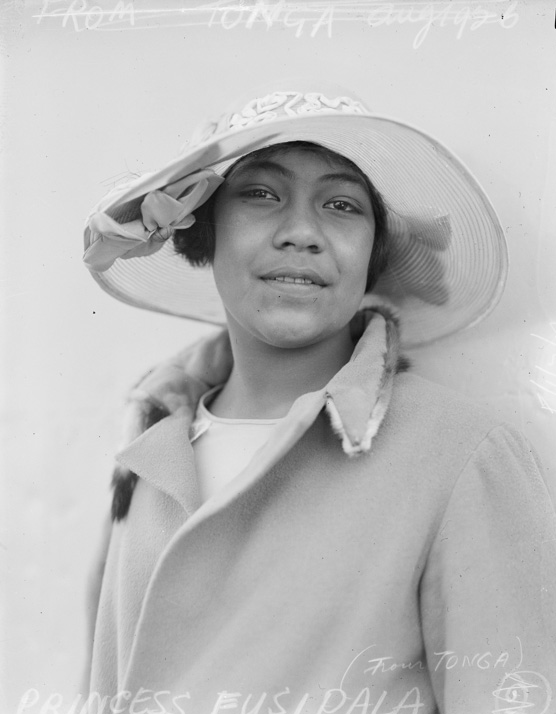
Princess Lātūfuipeka speaks about her great-great-aunt, Princess Fusipala.
Princess Lātūfuipeka: Princess ‘Elisiva Fusipala Tauki’onetuku Tupou was the second daughter of King Tupou II and his second wife Queen Takipō. She was the younger sister of Her Majesty Queen Sālote Tupou III, who is my great-grandmother. Queen Sālote Tupou III and her consort Prince Tungī Mailefihi had three children: Crown Prince Tupouto’a Tungī who was later King Taufa’ahau Tupou IV, Prince Tuku’aho, and Prince Fatafehi Tu’ipelehake.
King Taufa’ahau Tupou IV and Queen Halaevalu Mata’aho had four children: Crown Prince Tupouto’a who was later King George Tupou V, Princess Pilolevu, Honourable Ma’atu and my father Prince ‘Ulukalala Lavaka Ata who is now King Tupou VI.
Princess Fusipala was born on the 26th of July, 1912 at the royal Palace in Nuku’alofa. King Tupou II passed away on the 5th of April and Queen Takipō passed away on the 26th of November in the same year, 1918. Princess Fusipala was only eight years old at the time. She was cared for by her elder sister Queen Sālote and her mother’s sister Muimui and her relatives. She was sent on the 11th of December in 1920 until 1925 to Auckland to attend Diocesan School for Girls. She returned to Tonga at the end of 1925 and was sent in 1926 to the Methodist Ladies’ College in Melbourne, Australia. Princess Fusipala passed away on the 21st of April 1933 in Sydney and was buried in the Royal cemetery on the 12th of May 1933 at Mala’ekula in Nuku’alofa, Tongatapu.
The costume
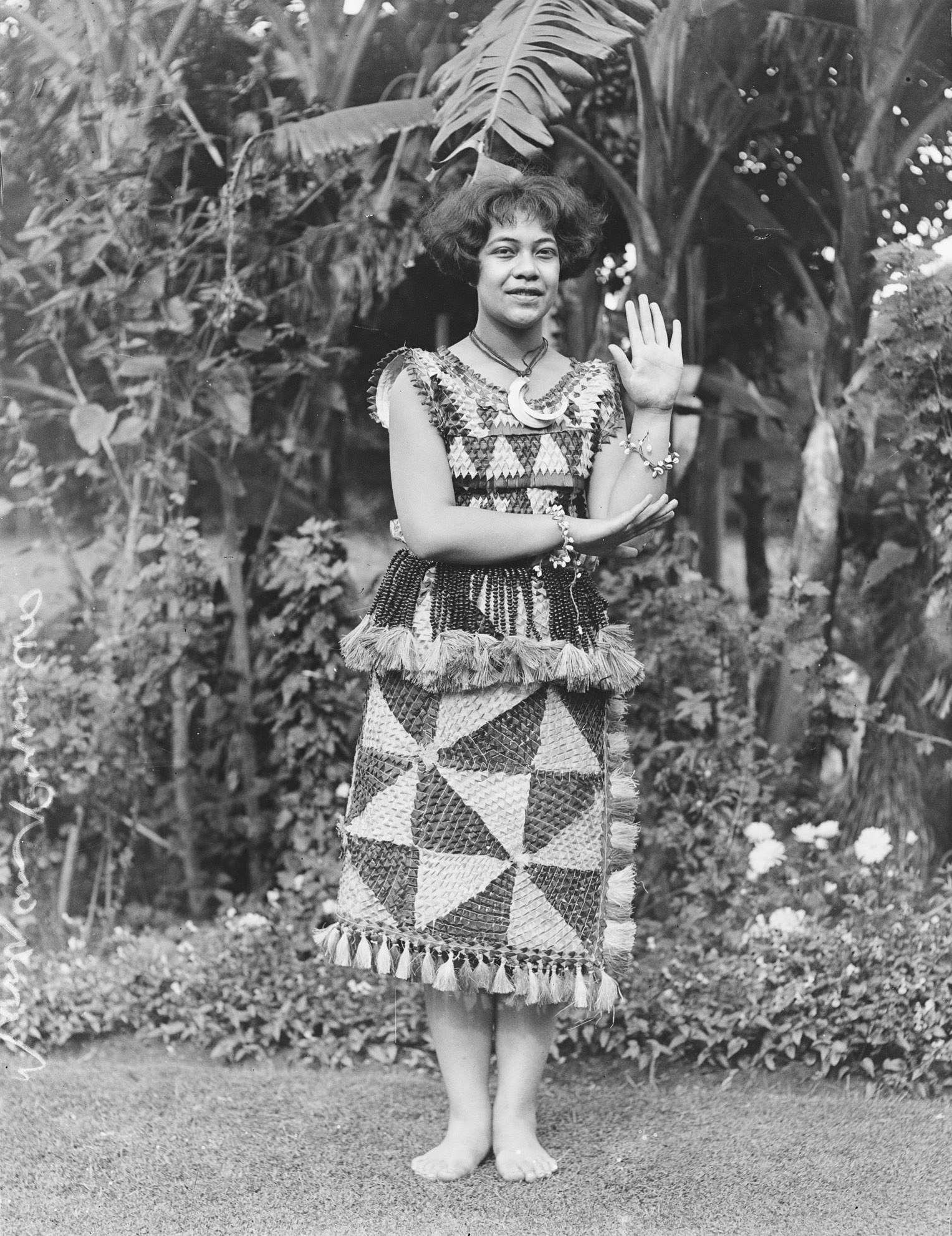
Princess Lātūfuipeka describes the dancing costume of Princess Fusipala.
Princess Lātūfuipeka: Princess Fusipala’s tau’olunga costume was well designed and prepared for her coming to Australia. Traditionally we use tapa cloth, leaves and flowers for dancing costumes which may only last a day, therefore a lot of work and thought has been put into this costume. What may be missing from this tau’olunga costume is the bracelets, anklets, head piece or comb and the necklace.
The girdle or sisi is made of short strands of plaited hibiscus fibre with a waist belt of 100 centimetres, stringed with lopa and hana seeds of about 30 centimetres long hanging down with a tassel-like finish at the end
The upper part of the tau’olunga costume covers from the shoulder to the waist. This was made of natural coloured hibiscus fibre and red dyed hibiscus fibre. The pattern is of a traditional garland called Nusi with an inner tapa cloth lining
The no’o is used to tie the upper and lower parts of the tau’olunga costume together on the waist and is made of tapa cloth.
This is the lower part of the tau’olunga costume covering from the waist over the knees and also made from natural and red dyed hibiscus fibre. The pattern is of a traditional kupesi | design called Manulua with an inner tapa cloth lining.
This traditional helu or comb is made of coconut midribs and black dyed coconut husk sennit fiber threads.
More stories
Explore more personal stories, sacred histories and treasures from Victorian Pacific communities.