On Country: Photography from Australia
On Country: Photography from Australia showcases powerful contemporary artworks by Indigenous and non-Indigenous artists, reflecting how imagery shapes our understanding of place, belonging and identity.
Through striking images and perspectives, the exhibition explores relationships between Country, colonialism and community in Australia today.
Opening at Immigration Museum in October 2026, this stunning exhibition invites visitors to consider how photography can capture our connections to place, culture and each other.
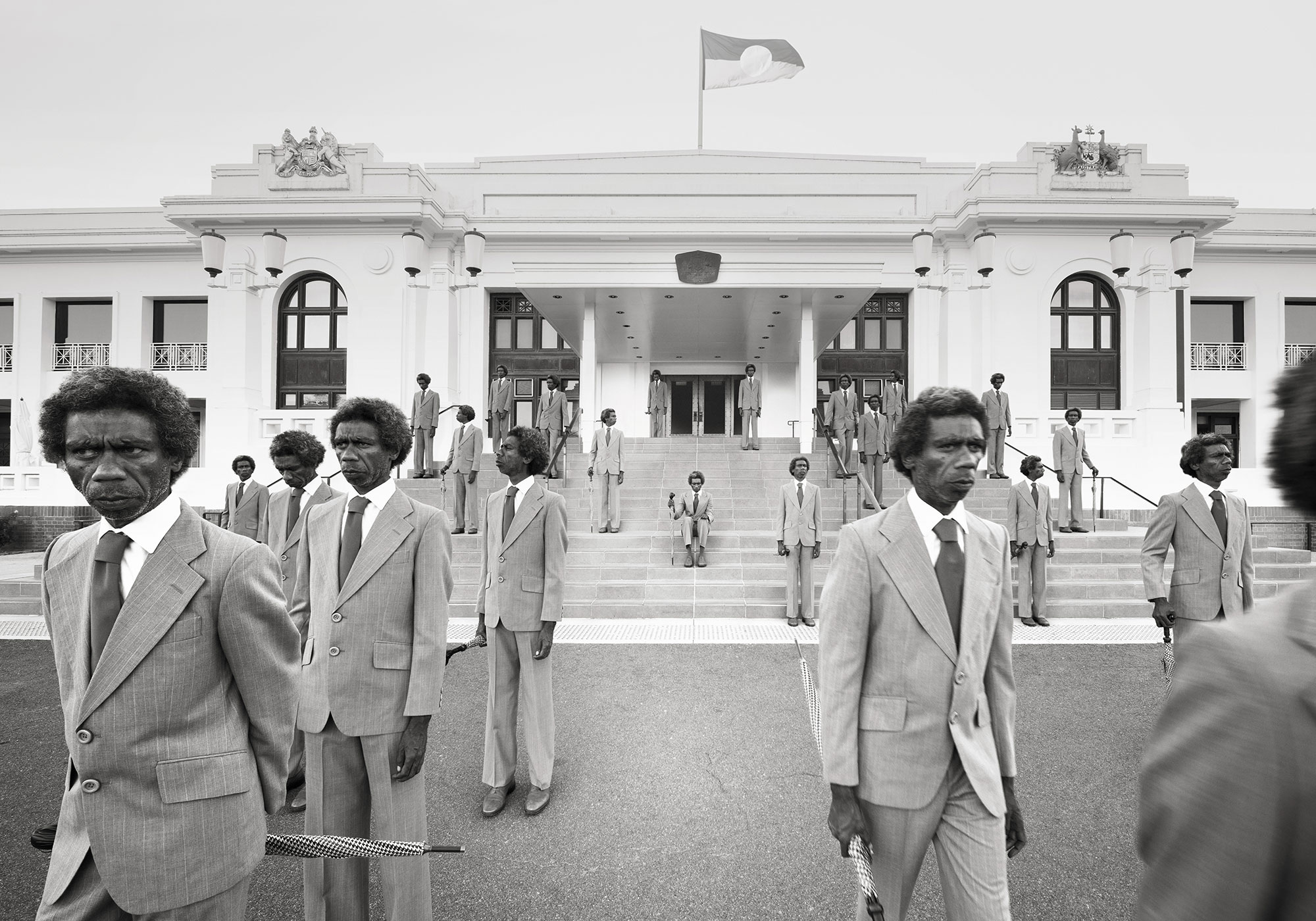
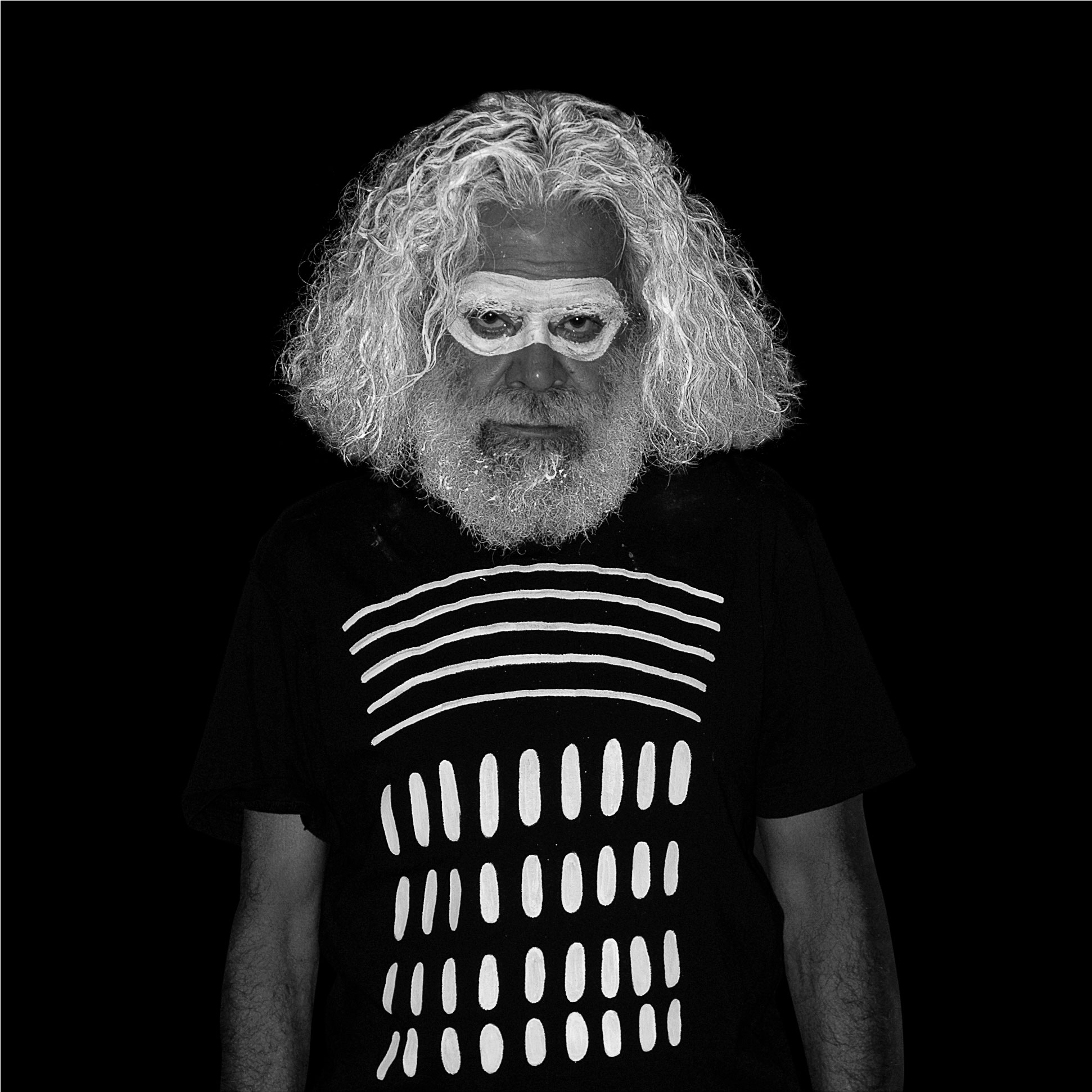
Hero image: Tony Albert and David Charles Collins, Warakurna Superheroes #1, 2017, from the series ‘Warakurna Superheroes’. Courtesy of Tony Albert, David Charles Collins and Kieran Lawson
Acknowledgement
The Exhibition was originally developed by PHOTO Australia and co-produced with the Rencontres d'Arles.
PHOTO Australia was founded with ongoing support of the Bowness Family Foundation and the Naomi Milgrom Foundation.
PHOTO Australia was founded by Elias Redstone.
Curated by Brendan McCleary, Pippa Milne, Dr Kimberley Moulton and Elias Redstone.
Included with museum entry
Adult $15
Senior $12
Child 16 Years & Under Free
Concession Free
Members Free
Date & Time
Open daily 10am–5pm
10am to 5pm
Key information
Visitors are advised that this exhibition contains names and images of people who have passed away and images of deceased animals. This exhibition also contains images of nudity.
ARTISTS
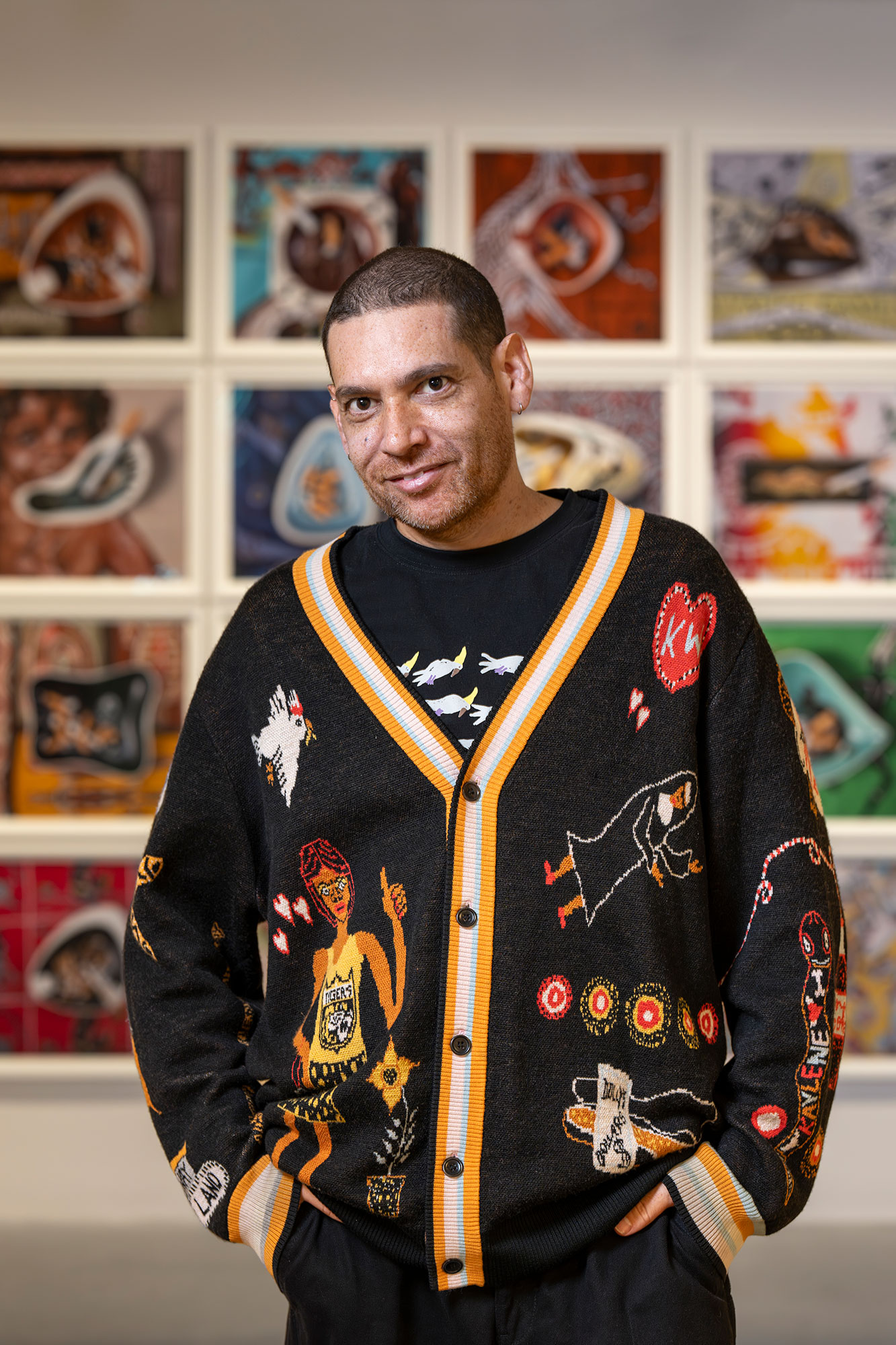
A Girramay, Yidindji, Kuku Yalanji man, Tony Albert is one of Australia’s foremost contemporary artists with a longstanding interest in the cultural misrepresentation of Aboriginal people. He is a cultural leader, both as an artist and a curator. Drawing on both personal and collective histories, his multidisciplinary practice considers the ways in which optimism might be utilised to overcome adversity. He courageously engages in difficult conversations to shed light on problematic histories and current injustices faced by First Nations people.
Albert is acknowledged industry wide as a valued ambassador for Indigenous community and culture. In May 2026, a major survey exhibition of Albert’s expansive practice was launched at the Museum of Contemporary Art Australia. This follows his 2018 retrospective Visible at the Queensland Art Gallery: Gallery of Modern Art. Remarkably, at just 33 years old, Albert became the youngest artist to receive a survey exhibition at a state institution in Australia.
In December 2025 he was awarded a Chevalier de l’Ordre des Arts et des Lettres. He was the 2025 Artistic Director for the 5th National Indigenous Art TrienniaI: After The Rain for the National Gallery of Australia, the inaugural First Nations Curatorial Fellow for the Fondation Cartier pour l’art contemporain and is the first Indigenous Trustee for the Art Gallery of New South Wales, a member of the Art Gallery of New South Wales Indigenous Advisory Group, a board member for the City of Sydney's Public Art Panel and member of the Art & Place Board at the Queensland Children's Hospital.
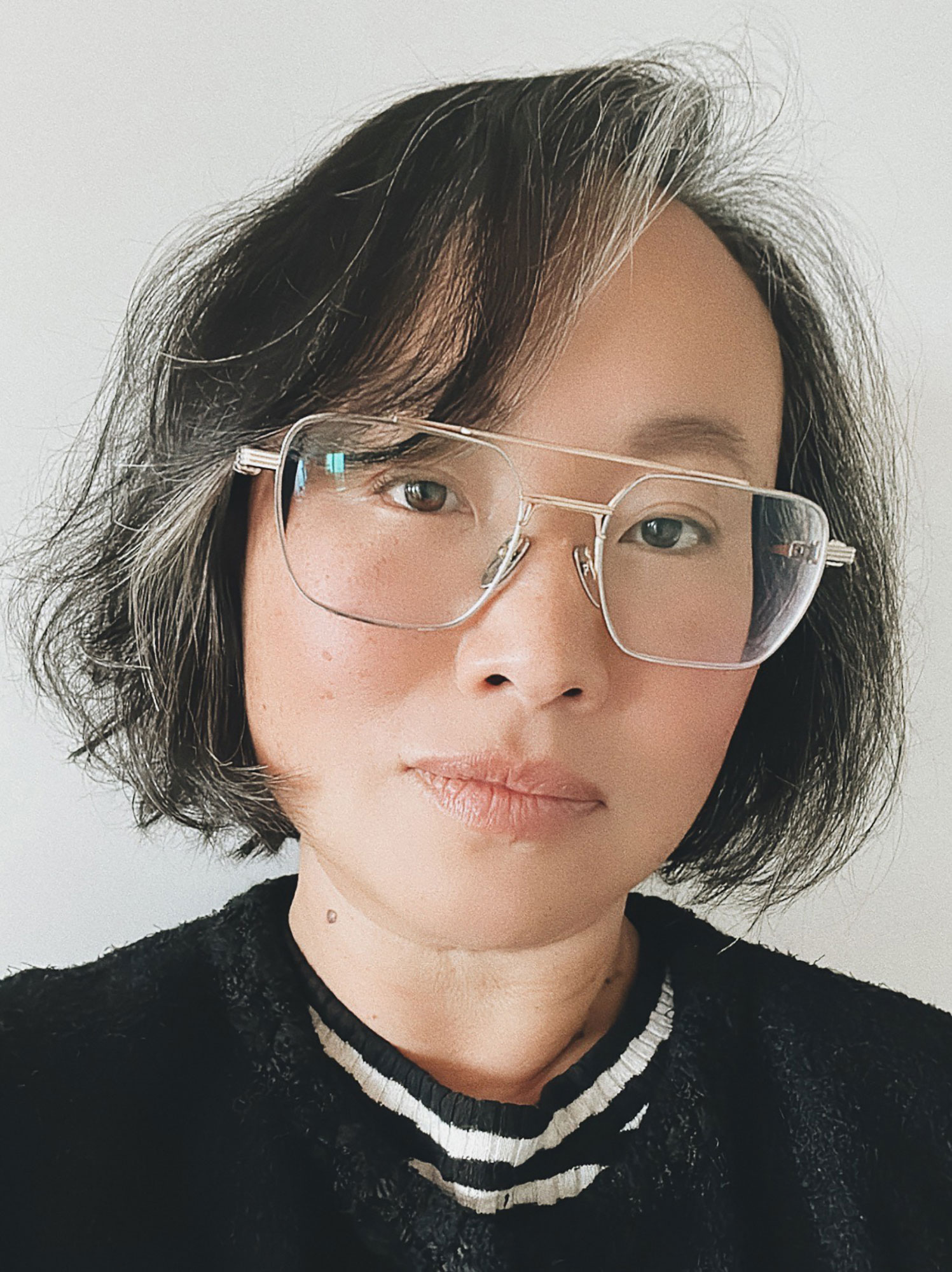
Ying Ang is a photographer focused on the intersection of the political and the personal. Ying's publication, 'The Quickening', a memoir on postpartum matrescence, was a winner of the Belfast Photo Festival, finalist for the Singapore International Photography Festival Book Prize and Australian Photobook of the Year and acquired by the V&A Museum. ‘The Quickening’ recently exhibited at the National Portrait Gallery in Australia.
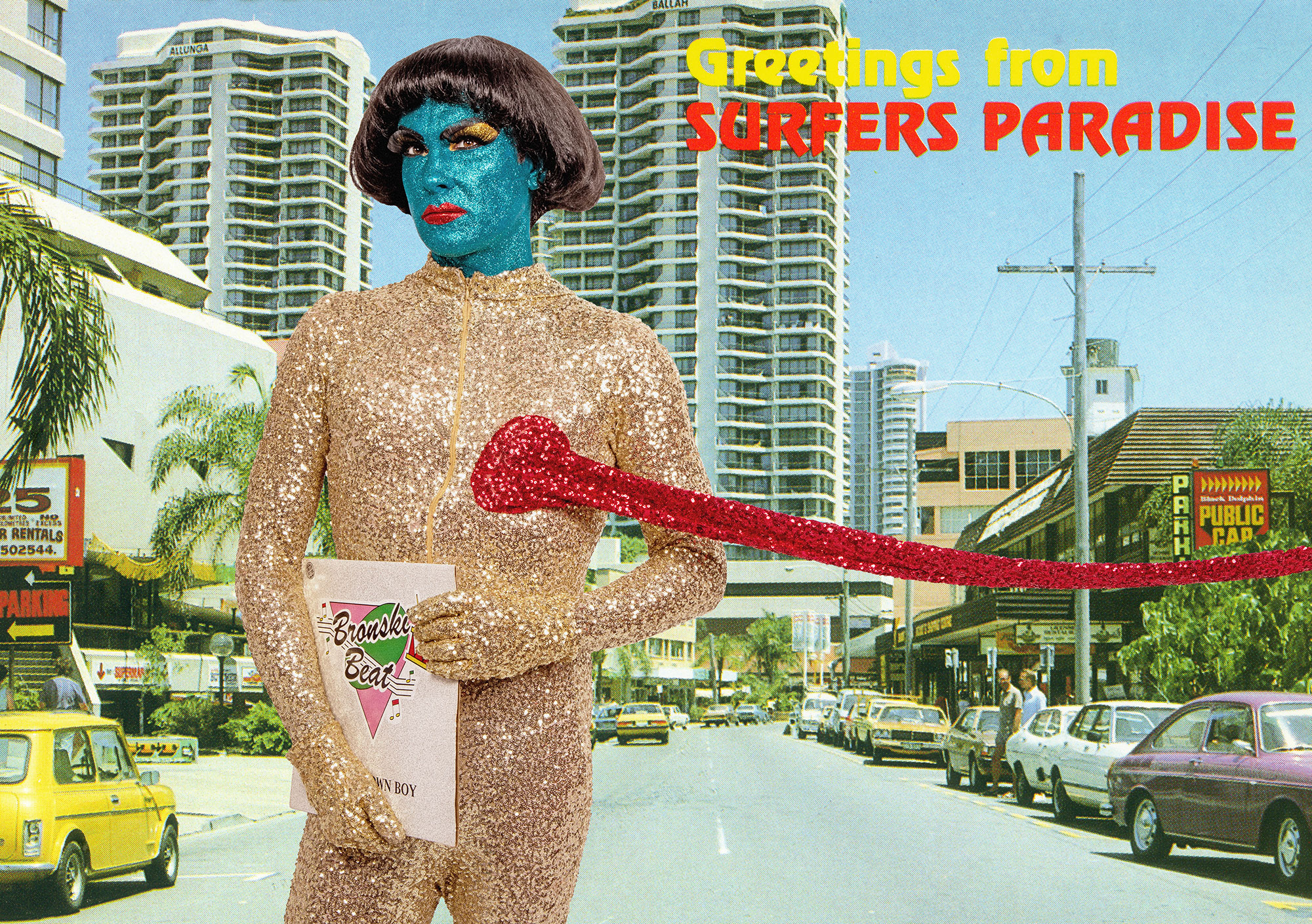
Her publication, 'Gold Coast', a critique on capitalism and contemporary culture, won the New York Photo Festival and Encontros Da Imagem prize and was acquired for the Rare Books Collection at the Victorian State Library and MoMA. 'Gold Coast' was also honoured with a nomination for the prestigious Prix Pictet award. Ying teaches at the International Center of Photography in New York City.
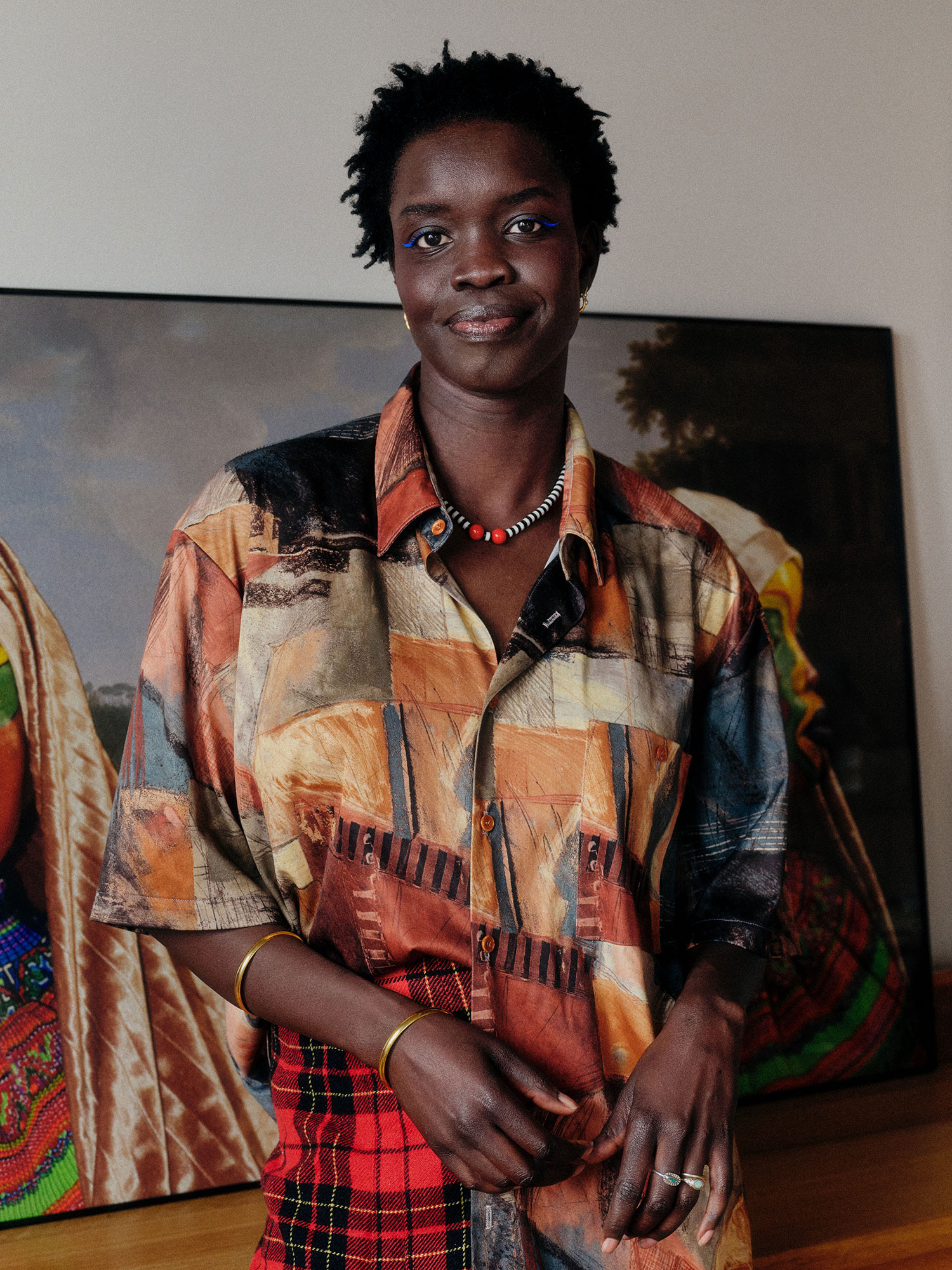
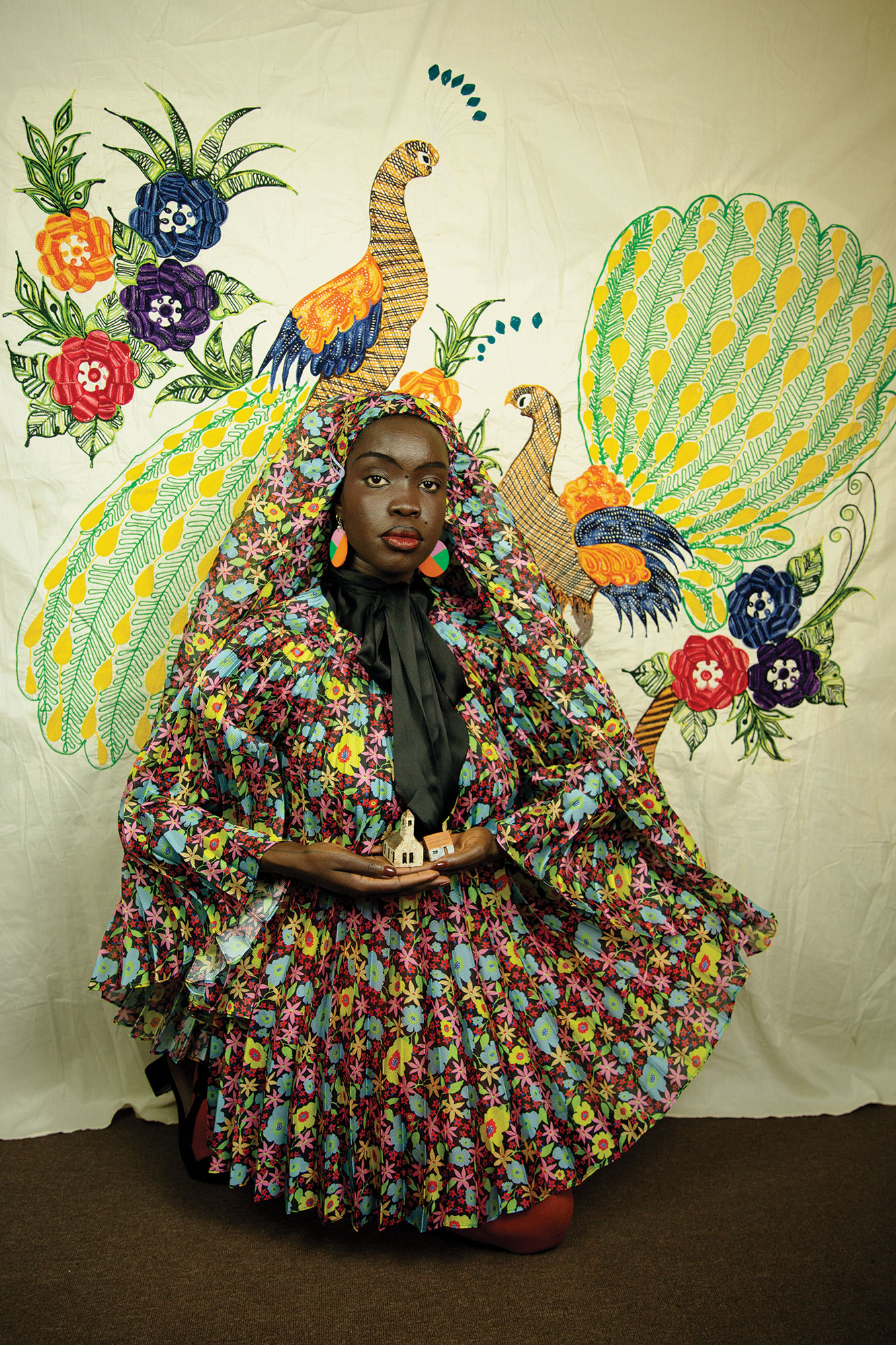
Atong Atem (b. 1991, Ethiopia) is a South Sudanese Australian artist working across photography, film and installation. She creates richly staged images that explore photography as a space where history, memory, performance and imagination converge. Drawing on Dinka philosophy, African studio photography, family archives and diverse spiritual and visual traditions, Atem reimagines portraiture as a site of self-determination, where inherited histories are continually reconfigured rather than simply preserved. Her work challenges colonial modes of representation by embracing opacity, multiplicity and the right to interiority, constructing images that move between personal and collective memory, lived experience and myth. Through colour, textiles, gesture and symbolism, Atem creates visual worlds that foreground the resilience of diasporic cultures while proposing photography as a living archive through which new narratives, new forms of beauty and new possibilities of being can emerge.
Atem has developed major projects in museum, biennials, and multi-arts centres internationally and across Australia. Her work has been exhibited widely across Australia, including at the Art Gallery of New South Wales, National Portrait Gallery, the Immigration Museum, and Dark MOFO 26 at the State Library of Tasmania. Internationally, her work has been exhibited at the Tate Modern (London) Wereldmuseum (Rotterdam), Fotografiska Shanghai, Stadtgalerie (Germany), Victoria and Albert Museum (London), and the National Maritime Museum (Amsterdam) (Het Scheepvaartmuseum).
In 2025, Atem exhibited at Les Rencontres de la photographie d'Arles (France), in partnership with PHOTO Australia, where she was selected as one of the six nominees for the Prix de La Photo Madame Figaro-Arles. Other prizes and awards include the recipient of La Prairie Art Award (2022) by the Art Gallery of New South Wales for her originality and ambitiously crafted and vibrant photographic portraits that celebrate their subjects, and the recipient of NGV Mecca M-Power Grant (2017).
Alongside her studio practice, Atem maintains a strong media presence, engaging with public discourse on contemporary art, culture, fashion, architecture and motherhood. In 2025, she collaborated with Australia UNHCR to celebrate World Refugee Day creating an arresting oversized print of her work, Three Women, in one of Australia’s busiest public thoroughfares, Martin Place between Elizabeth and Phillips Street, Sydney. Her work and insights have been featured in major international publications, including Vogue, Financial Times, The Guardian, Financial Review, ABC, The Age, The Sydney Morning Herald, Dazed, and many more.
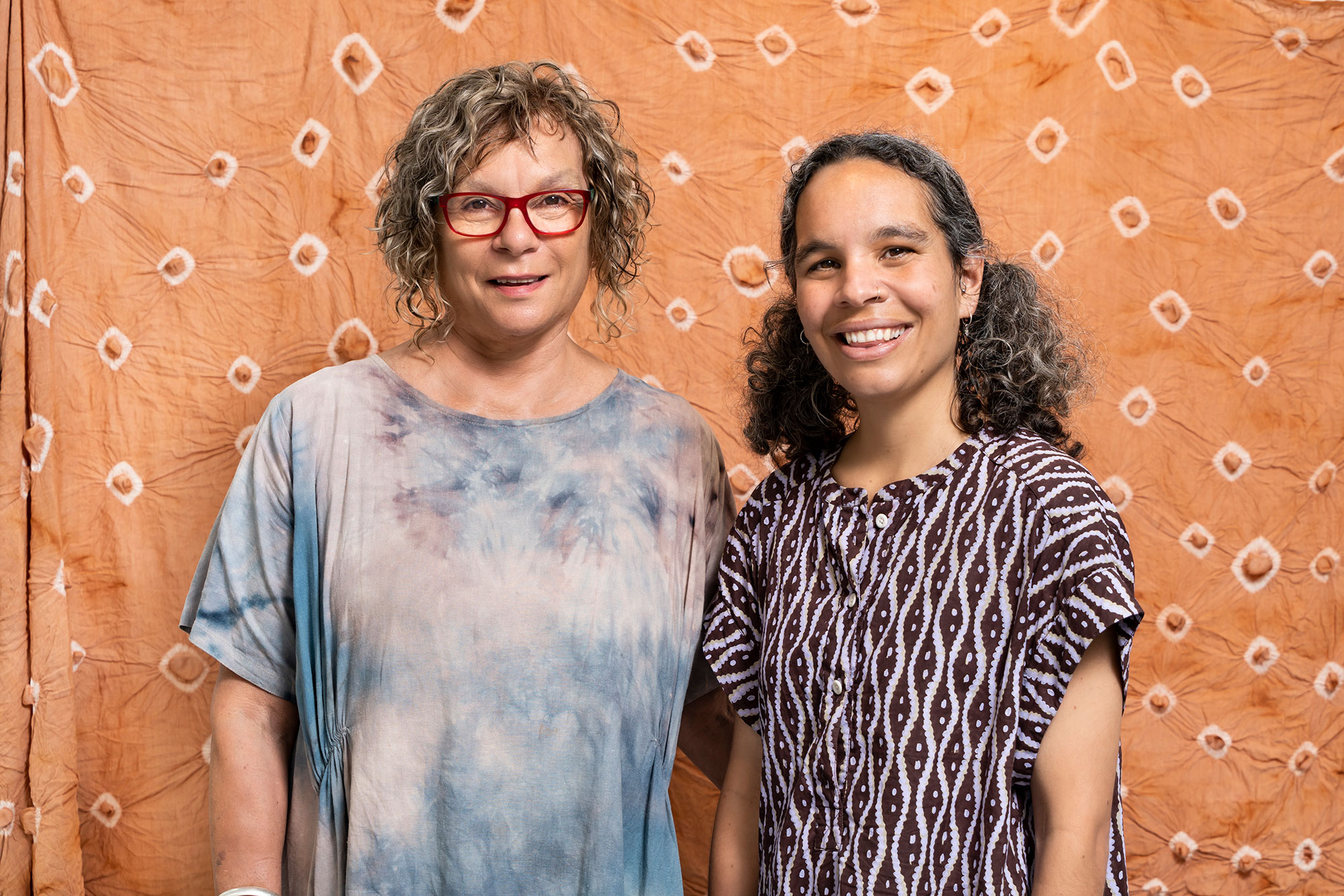
Sonja and Elisa have been included in major national and international exhibitions such as Open Hands, Tarnanthi, Art Gallery of South Australia (2020); Long Water: Fibre Stories, Institute of Modern Art (2020); Carriers of Memory, Museum of Brisbane (2021); The Space Between Us, Nuit Blanche, Toronto (2022); Cairns Indigenous Art Fair (multiple years); HEAT, Redcliffe Art Gallery (2022); Undertow, Fremantle Arts Centre (2022); Dabiyil Bajara: Water Footprints, Tanks Art Centre (2022); TarraWarra Biennial: ua usiusi fa’ava’asavili (2023); Perspectives of Brisbane, Museum of Brisbane (2023); Mare Amoris | Sea of Love, University of Queensland Art Museum (2023); How We Remember Tomorrow, University of Queensland (2024); On Country: Photography from Australia at Rencontres d'Arles, France (2025); All That Is Alive, University of Technology Sydney (2025); and Drawing Animal, Redland Art Gallery (2026).
Their collaborative works are held in several significant private and public collections, including the Australian Embassy, Washington DC, Queensland Art Gallery | Gallery of Modern Art, Museum of Brisbane, Art Gallery of South Australia, and Art Gallery of Western Australia.
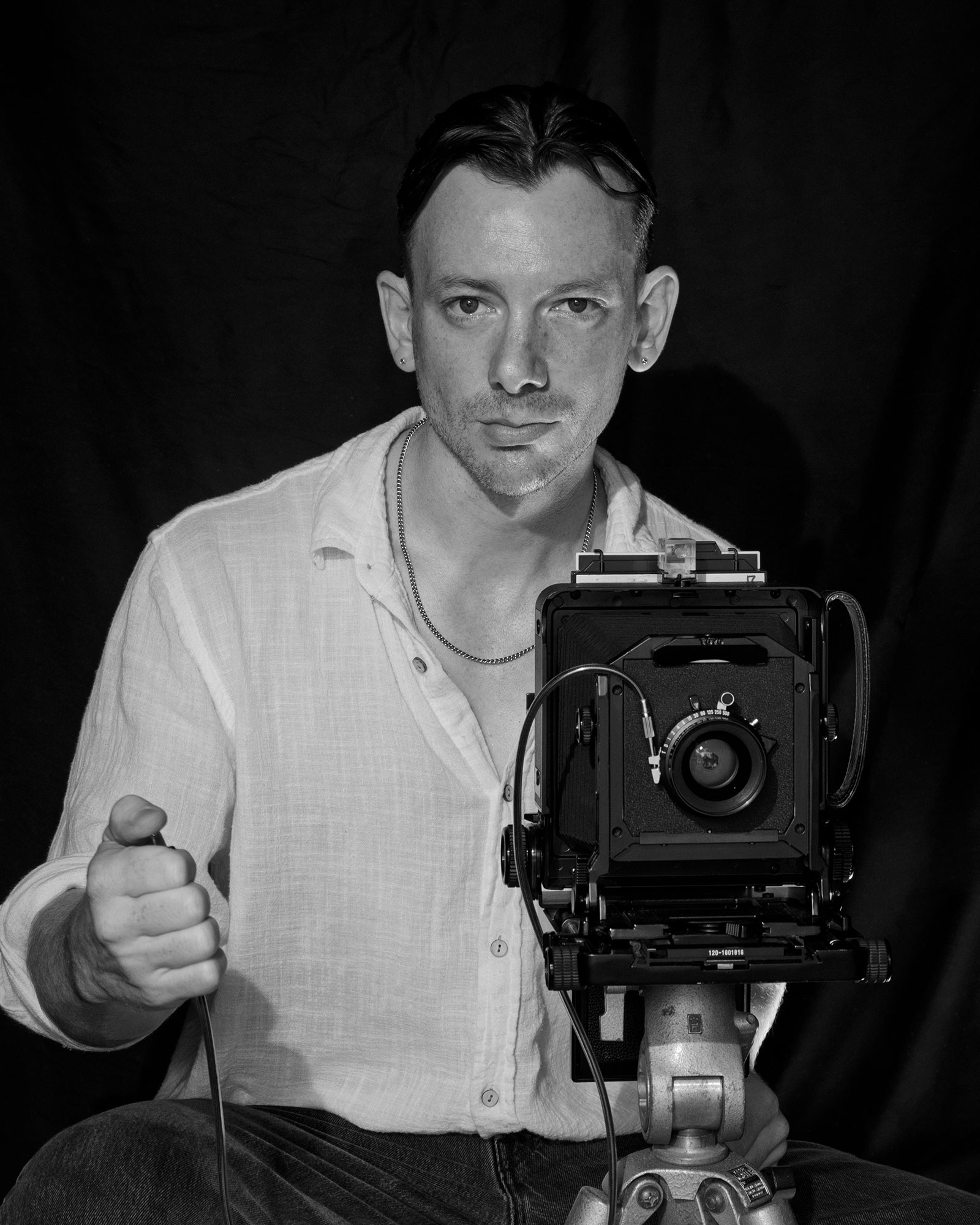
David Charles Collins, (Born 1988, Boorloo/Perth, Western Australia) is an artist specialising in photography, performance and video media. He completed his Master of Fine Arts (MFA) at Sydney College of the Arts in 2017.
David's work has been featured in numerous exhibitions, including solo shows at the Perth Centre for Photography and STILLS Gallery, as well as group exhibitions such as PHOTO 2024 and the Pingyao Photography Festival in China.
His practice has attracted critical attention, with reviews appearing in Australian Art Collector, Art Guide Australia, Scoop Magazine, and The Age. David's works are held in significant collections, including the Art Gallery of Western Australia, the Queensland Art Gallery | Gallery of Modern Art, and Parliament House, NSW. David currently resides and works in Warrane/Sydney, New South Wales.
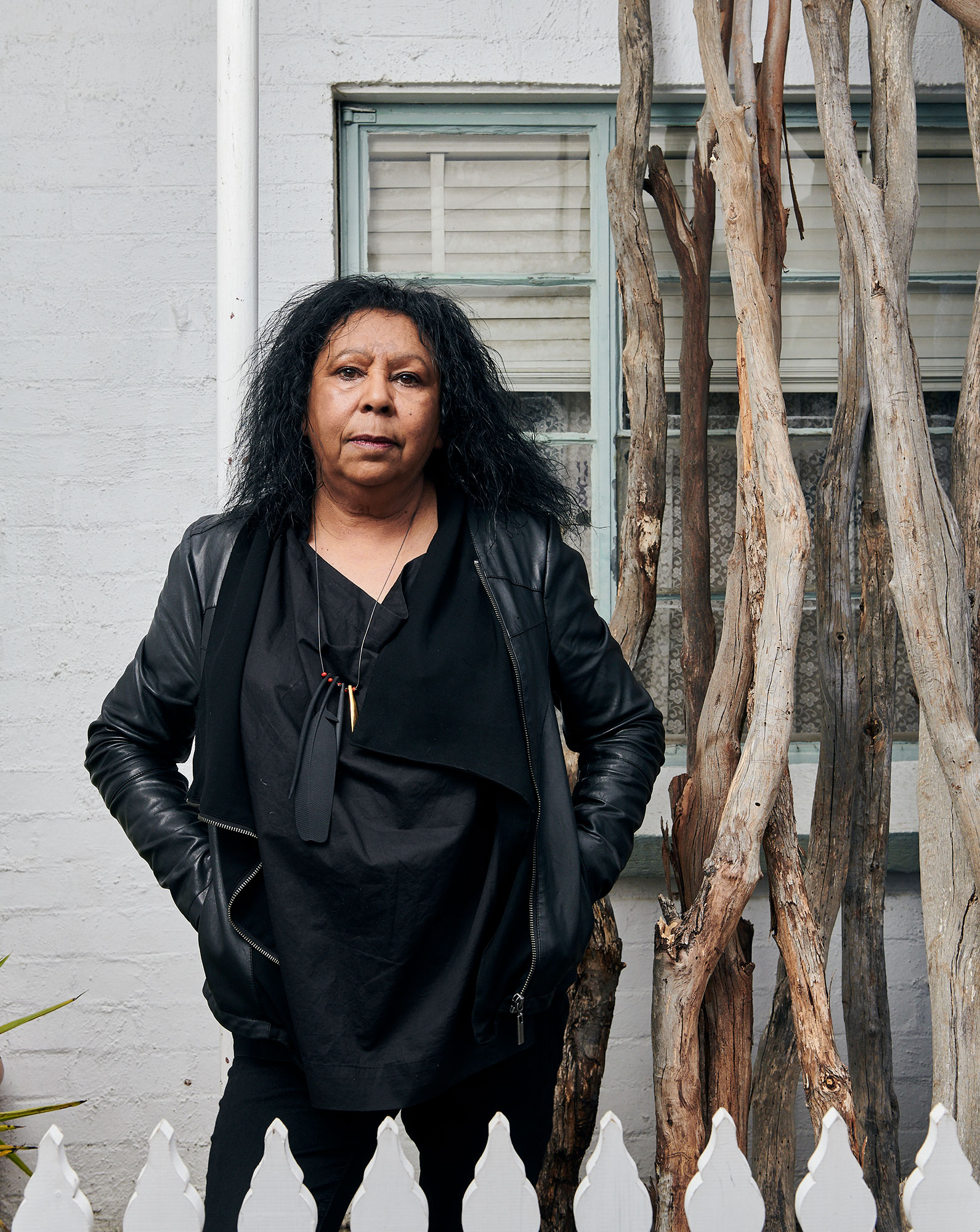
Maree Clarke is a pivotal figure in the reclamation of southeast Australian Aboriginal art practices, reviving elements of Aboriginal culture that were lost – or laying dormant over the period of colonisation, as well as a leader in nurturing and promoting the diversity of contemporary southeast Aboriginal artists. Maree Clarke's multi media installations of photography including lenticular prints, 3D photographs and photographic holograms as well as painting, sculpture and video installation further explore the customary ceremonies, rituals and language of her ancestors and reveal her long held ambitions to facilitate cross-cultural dialogue about the ongoing effects of colonisation, while simultaneously providing space for the Aboriginal community to engage with and 'mourn' the impact of dispossession and loss. Maree is known for her open and collaborative approach to cultural practice. She consistently works in intergenerational collaboration to revive dormant cultural knowledge and uses technology to bring new audiences to contemporary southeast Aboriginal arts.
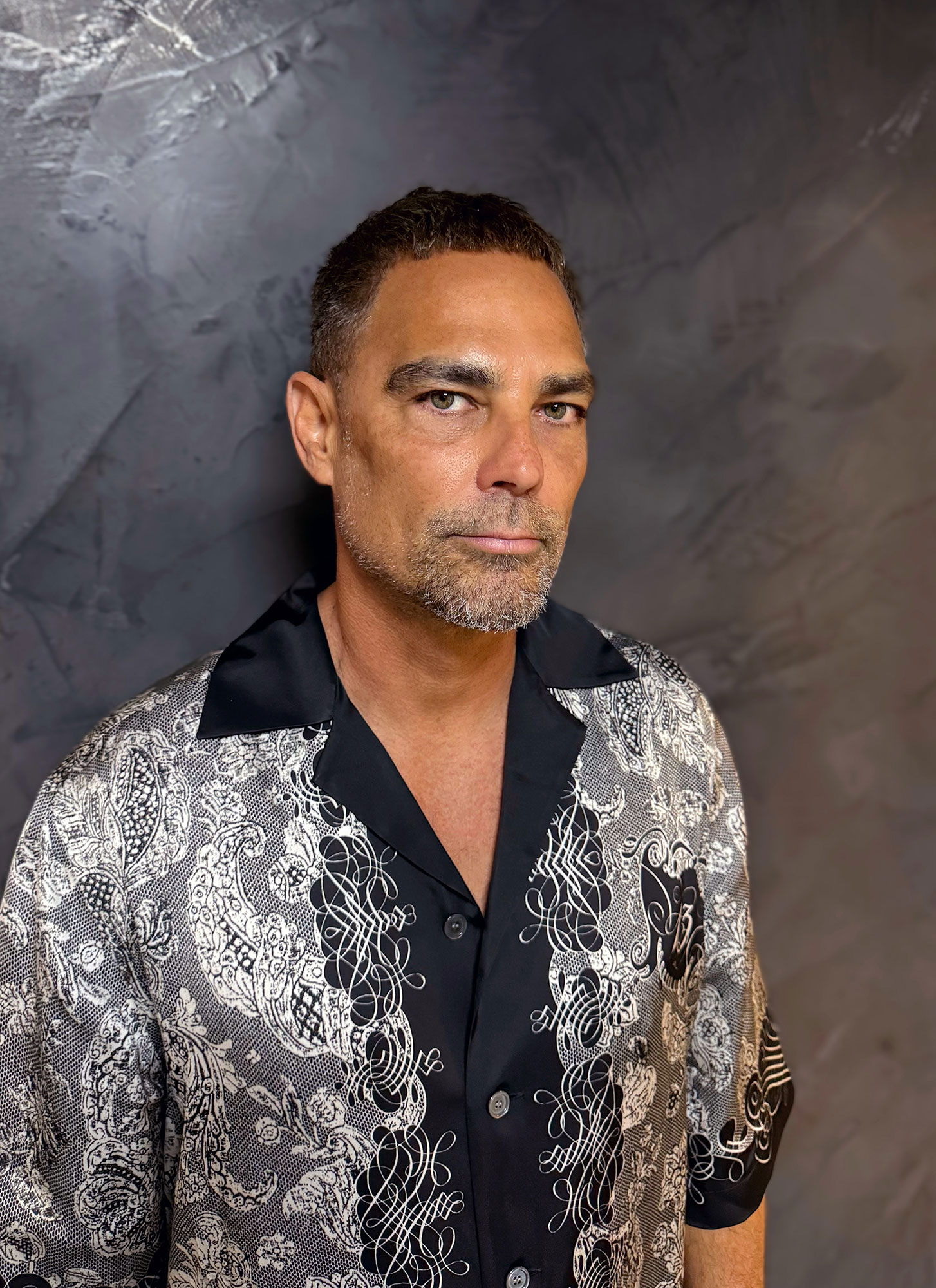
Michael Cook is an Australian contemporary photographer of Bidjara heritage. Cook's photographs restage colonial-focused histories and reimagine the contemporary reality of Indigenous populations. Cook's images have for over a decade, considered Australian history and its intersection with his own biography, tracing the culture of pre-colonial times imbued with the promise of a different future.
Cook has exhibited extensively, nationally and internationally including at the British Museum (London, UK); Fondation Opal (Switzerland); the Musee d'ethnographie de Geneve (Switzerland); National Gallery of Singapore; AAMU Museum of Contemporary Aboriginal Art (The Netherlands); Musee de la Civilisation (Quebec, Canada). His artworks are held in all major Australian collections, and in significant international collections, including the British Museum (London); Fondation Opale (Switzerland); The Museum of World Cultures (Netherlands); Museum of Contemporary Aboriginal Art (Utrecht); the Los Angeles County Museum of Art (Los Angeles), and the Kluge-Ruhe Aboriginal Art Collection (USA).
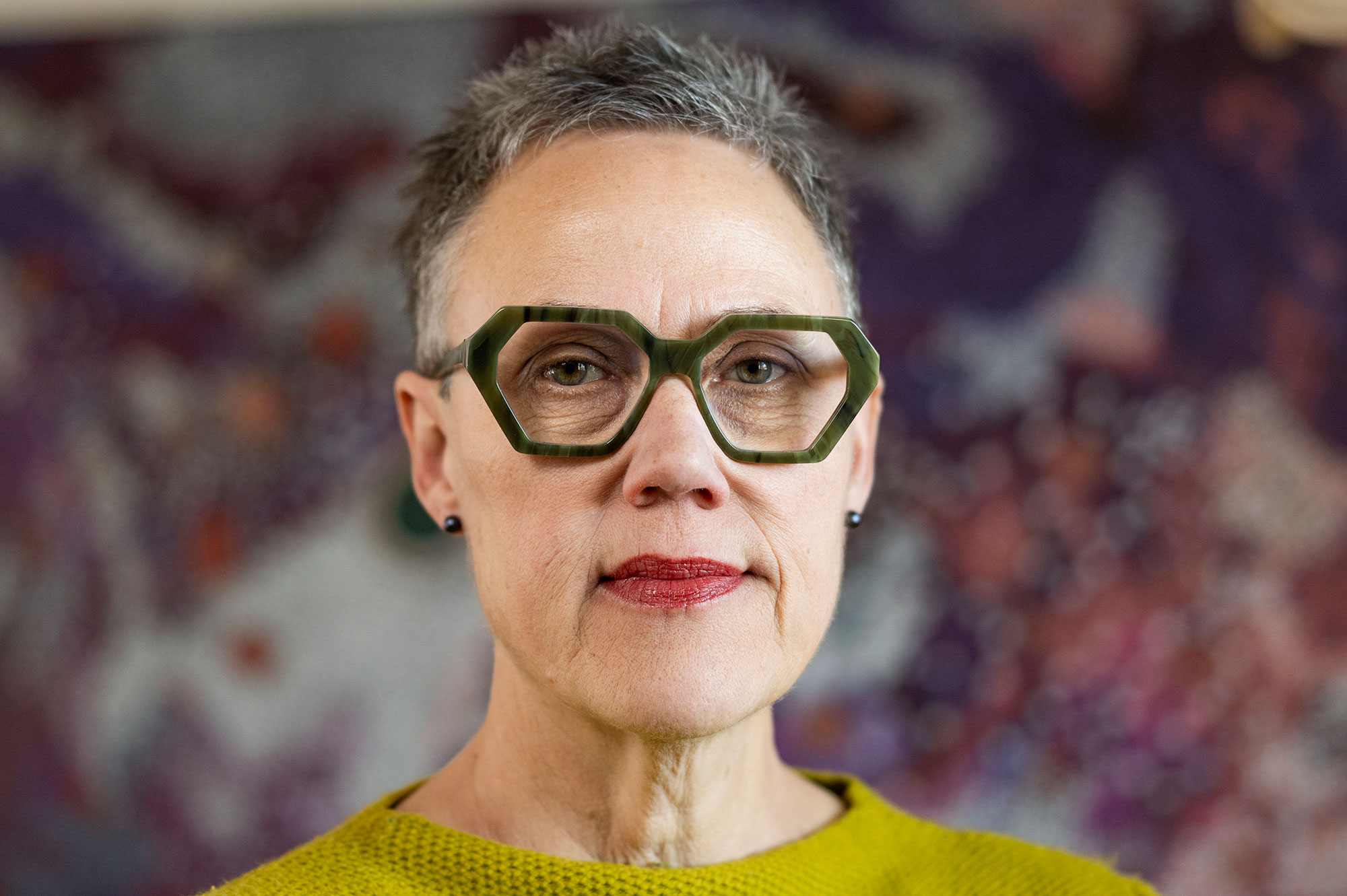
Brenda L Croft is a First Nations woman from the Gurindji/Malngin/Mudburra Peoples from the Victoria River region of the Northern Territory of Australia, with Anglo-Australian/Chinese/German/Irish/Scottish heritage.
For four decades she has undertaken a leading role in national and international First Nations and broader contemporary arts/cultural sectors as a multi-disciplinary creative practitioner (academic, administrator, artist, curator, educator, researcher, scholar). She works closely with her patrilineal family and community on creative-led research and with local, regional, national and international First Nations/Indigenous communities on multidisciplinary research.
Brenda's creative-led research encompasses Critical Indigenous Performative Collaborative Autoethnography and Storywork methodologies and theoretical frameworks.
In 2024, Brenda was the Gough Whitlam & Malcolm Fraser Visiting Chair of Australian Studies, Harvard University, living and working on the Ancestral Homelands of the Massachusett.
In 2026, Brenda's work was included in Alliance, Infinity, Love - In the Face of the Other curated by Mark Sealy at the Diechtorhallen Hamburg for the 9th Hamburg Photography Triennial, Germany.
Brenda is a Professor in the ANU School of Art & Design, College of Arts and Social Sciences at the Australian National University. She is privileged to live and work on unceded sovereign Ngambri/Ngunawal/Ngunnawal homelands.
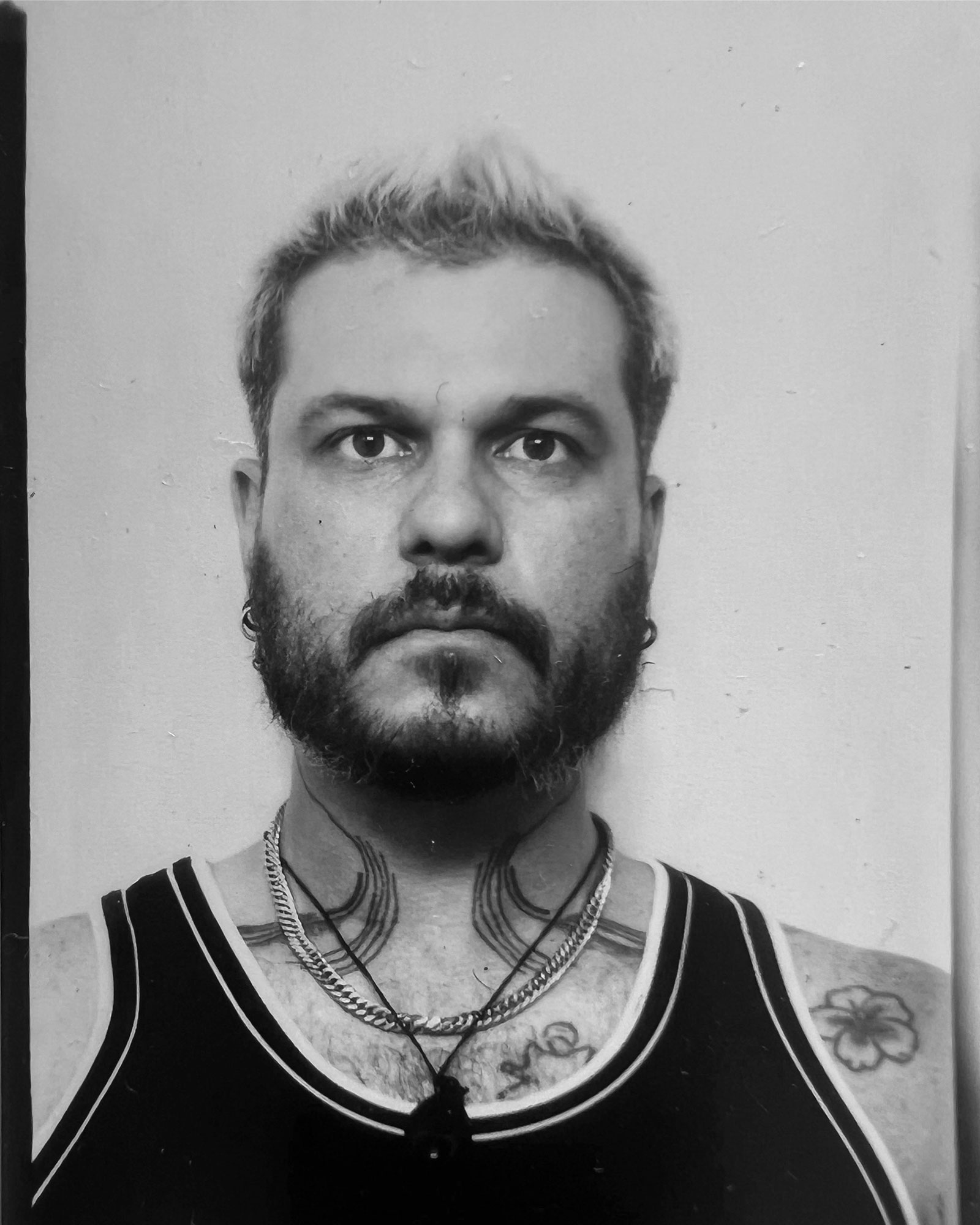
J Davies is a multidisciplinary, takatāpui artist based in Naarm/Melbourne. Working primarily with analogue and instant photography, their practice explores identity, intimacy, memory, and belonging through deeply personal and community-driven image making.
Drawing from their experiences as a queer Indigenous and neurodiverse person, J creates work that documents contemporary queer life with tenderness, humour, and honesty. Their practice centres shared safe spaces, chosen family, and the everyday rituals of care that exist within queer communities.
J holds a Bachelor of Fine Arts from the Victorian College of the Arts and a Diploma of Photo Imaging. Their work has been exhibited nationally and internationally, including at the National Gallery of Victoria, the Hong Kong International Photography Festival, and Les Rencontres d'Arles in France. Recent accolades include winning the Midsumma Art Award 2026, finalist for the Canberra Contemporary Photographic Prize 2026, finalist selections for the 2024 Bowness Photography Prize and the National Photographic Portrait Prize.
Through photography, video, and personal archives, J creates an enduring record of contemporary queer existence, preserving stories of intimacy, resilience, and connection for future generations.
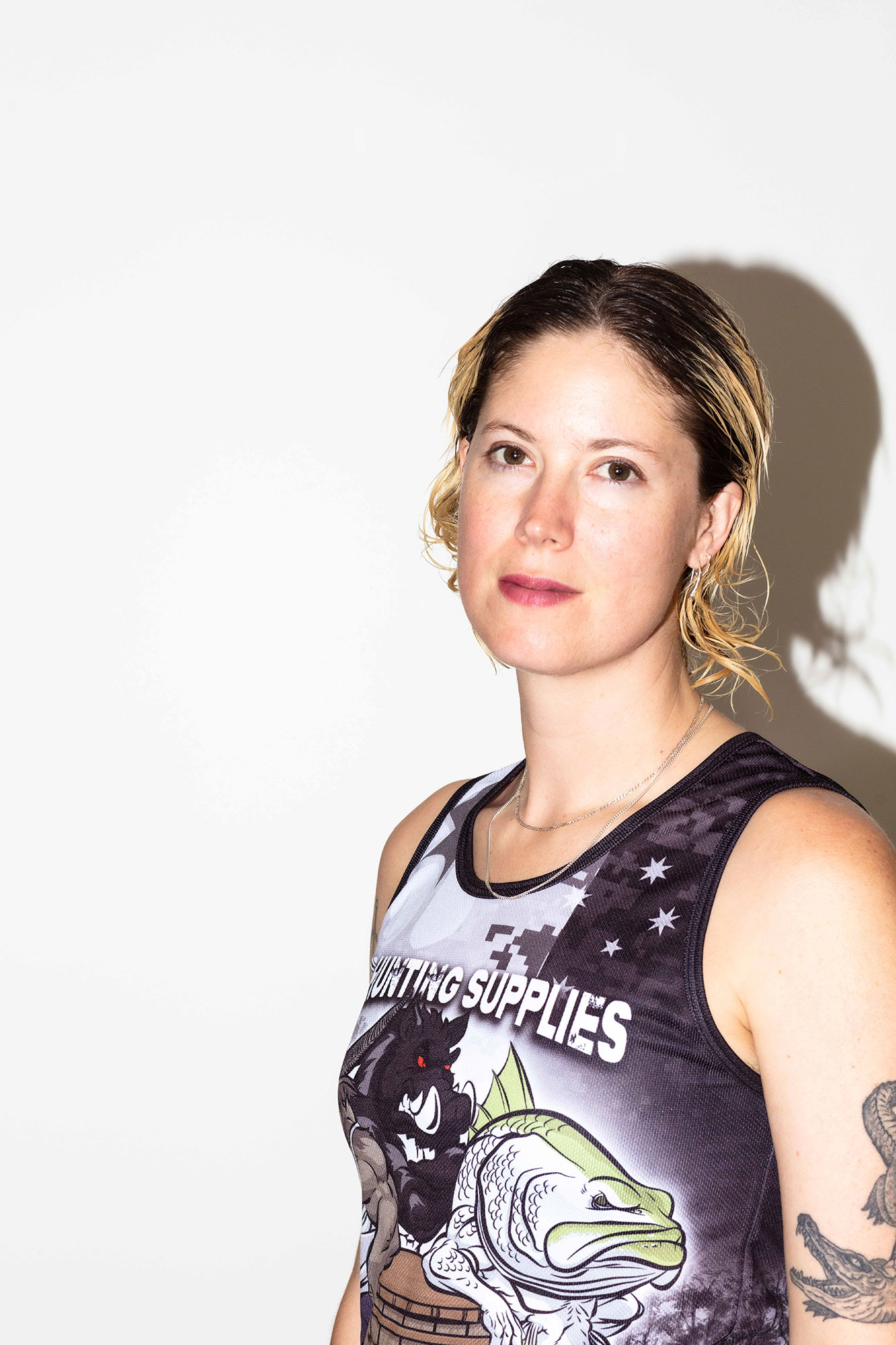
Liss Fenwick is a Northern Territory-born settler artist whose practice spans photography and moving image, often exploring themes of ecology, extraction, and apocalypse.
In 2024, Fenwick completed a PhD at the RMIT School of Art, investigating the extractive relationships to land that underpin settler economies, with a focus on lithium mining on the Cox Peninsula. This research reflects their broader interest in the intersections of place, ecology, and speculative futures.
Fenwick's critically acclaimed 2023 photobook Humpty Doom was a finalist for the prestigious Paris Aperture First Book Award and was showcased in the 2024 Contemporary Photobooks from Australia exhibition and symposium at the V&A Museum in London.
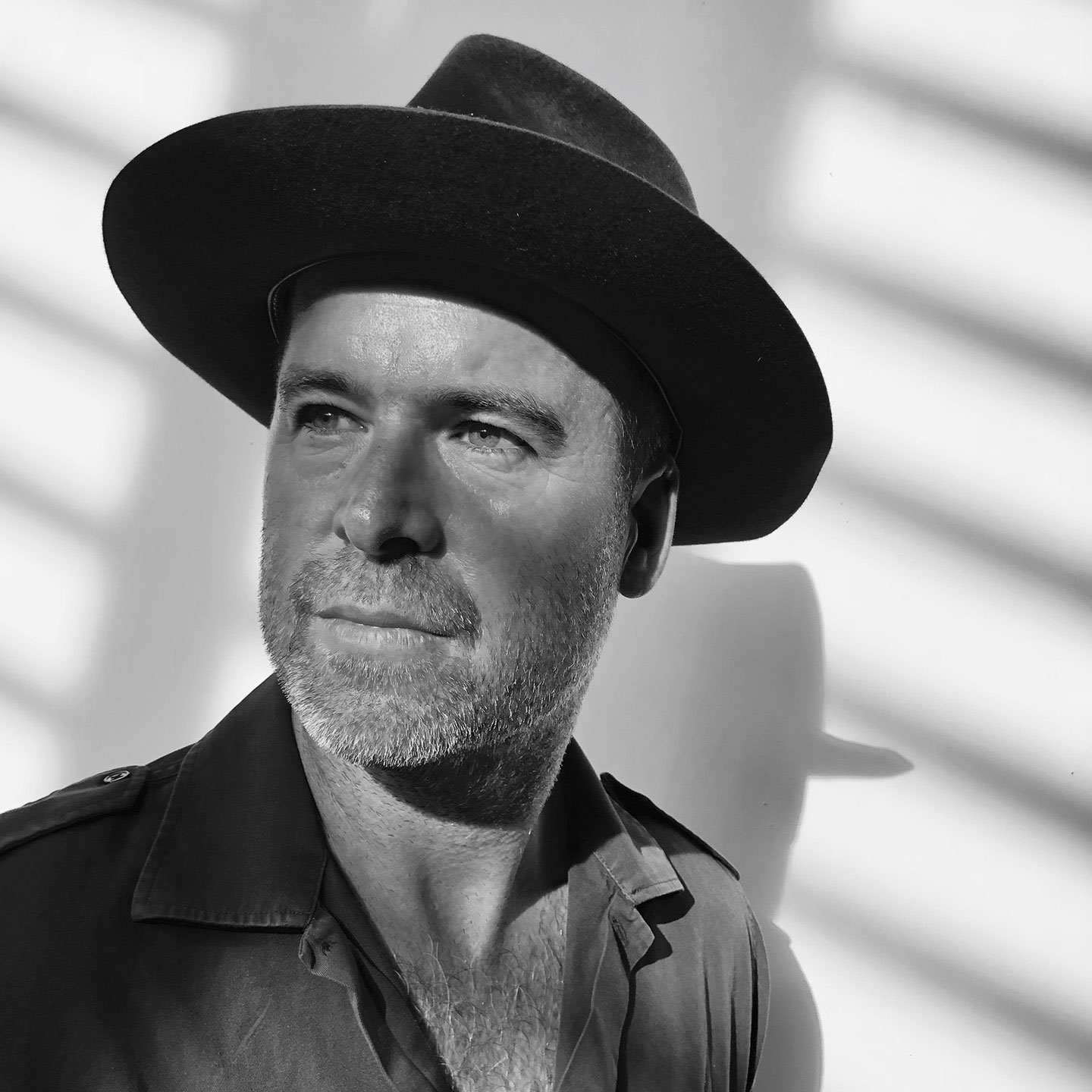
Adam Ferguson is an Australian artist based in Naarm/Melbourne. He began his career as a photojournalist covering the U.S.-led war in Afghanistan and has since developed an international practice examining conflict, displacement, and the human relationship to land. His work considers the ethics and politics of representation within an expanded documentary practice. His work has been exhibited at the National Gallery of Victoria, the Annenberg Space for Photography (Los Angeles), the Museum of Fine Arts (Houston), the Ullens Center for Contemporary Art (Beijing), Photo 2024 Australia, Cortona on the Move International Photography Festival (Italy) and the Rencontres d'Arles (France). He has received awards from Columbia University, the World Photography Organization, World Press Photo and the National Portrait Gallery UK, among others. In 2024 he published his first monograph, Big Sky (GOST Books UK), a photographic survey of Australia's heartland.
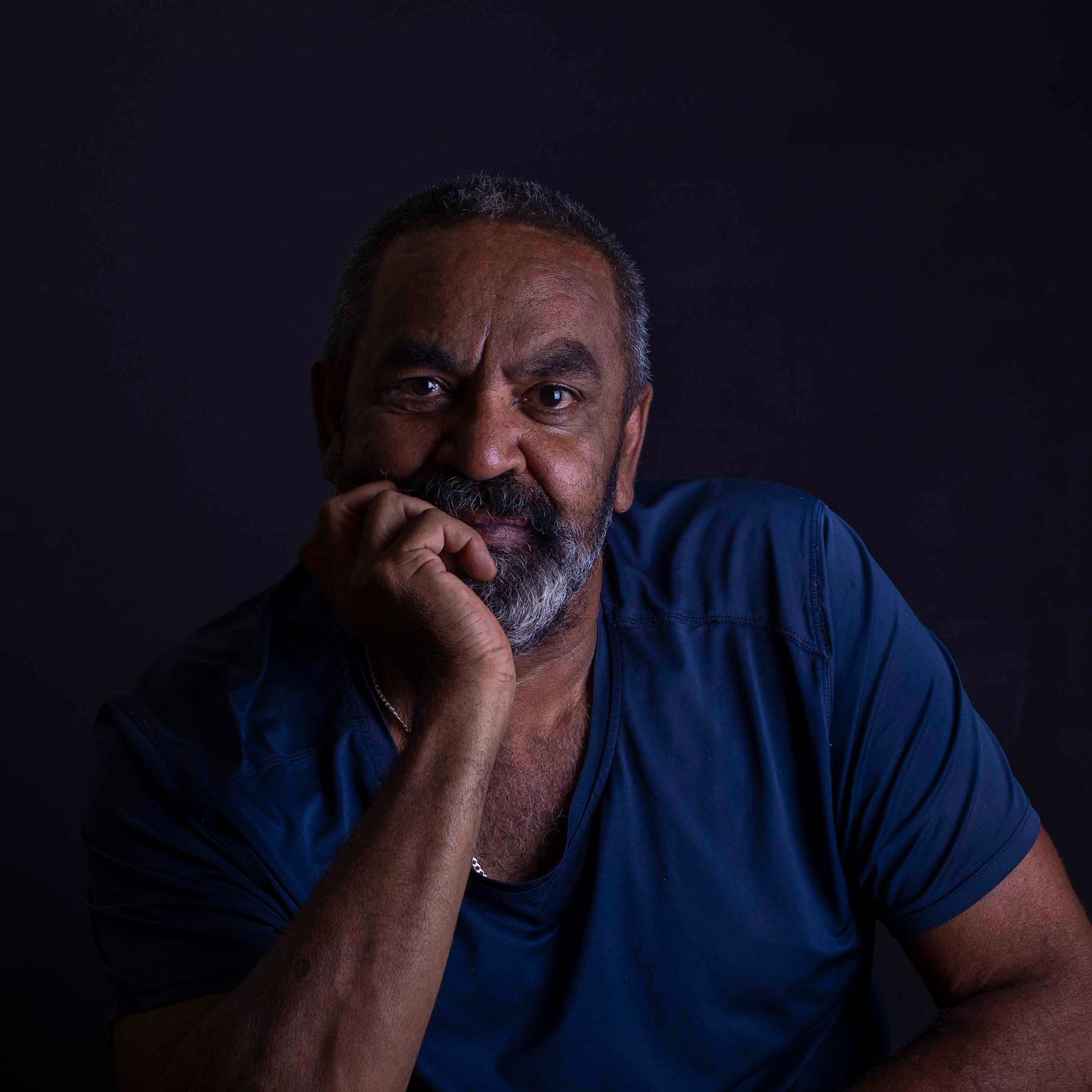
Robert Fielding is a contemporary artist of Pakistani, Afghan, Western Arrernte and Yankunytjatjara descent who lives in Mimili on the Anangu Pitjantjatjara Yankunytjatjara Lands.
Fielding's work is rooted in his personal experience of reclaiming culture as a son of the Stolen Generation. His personal history brings a uniquely potent perspective to his work, which offers a reminder that many cultural practices are stronger than ever today whilst also noticing traditions worn down by colonial violence. His work is a stern truth-telling and a reconciliatory call for unity simultaneously.
Fielding celebrated his first international solo exhibition at Fondation Opale in Switzerland in 2018. In 2022 he was featured as part of the 4th National Indigenous Art Triennial at the National Gallery of Australia in Canberra, and in 2024 he presented a major survey show at Maitland Regional Gallery. As the recipient of the Stuart Black Fellowship, he was a guest lecturer at the Victorian College of the Arts.
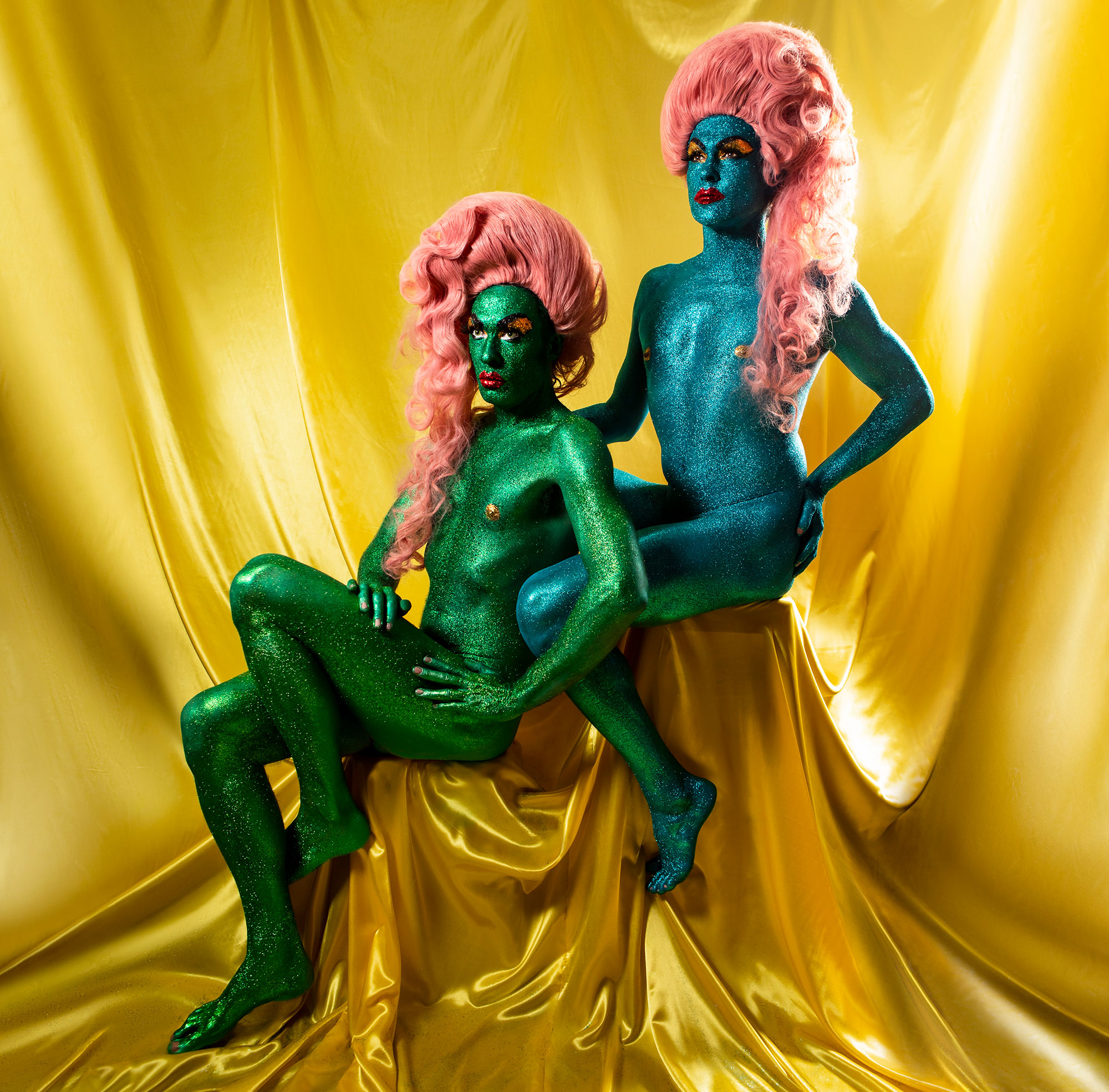
The Huxleys are a dynamic duo of cataclysmic proportions who present queer spectacle and disco enthused wizardry across the visual art, performance and fashion worlds. Their photography and performance art traverses the classifications of costume, film and recording. A visual assault of sparkle, surrealism and the absurd, The Huxleys saturate their practice and projects with a glamorous, androgynous freedom which sets out to bring some escapism and magic to everyday life.
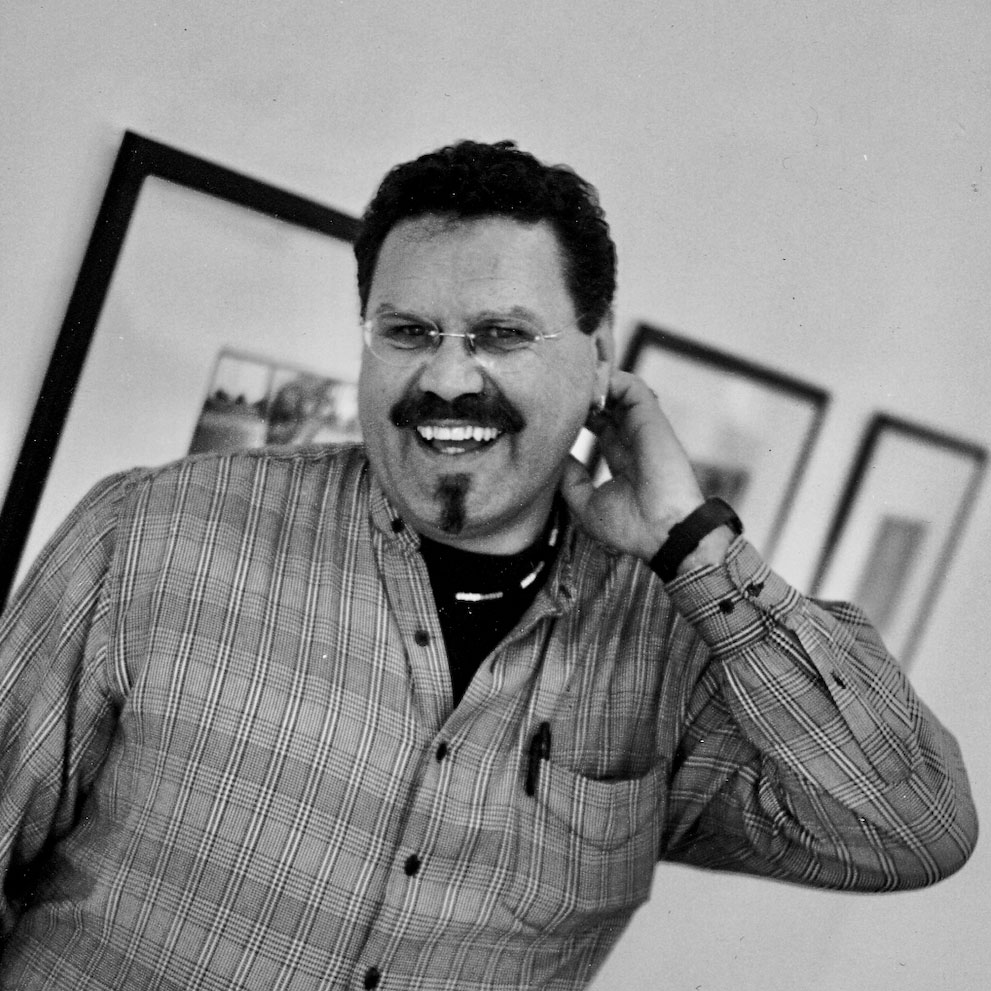
To look at a photograph by Ricky Maynard is to look into the eyes of Aboriginal Australia. Since the mid-1980s, Maynard has explored various cultural practices, stories and histories that remain vitally important to Aboriginal identity. He has also explored sites of occupation and contact, and issues relating to social justice and native title. Bringing the human story of these issues to the viewer's attention has been a fundamental aspect of his work and has provided his audiences with a deeper engagement with various Aboriginal communities throughout Australia. Maynard has been exhibited and collected internationally, most recently by The National Gallery of Art (USA).
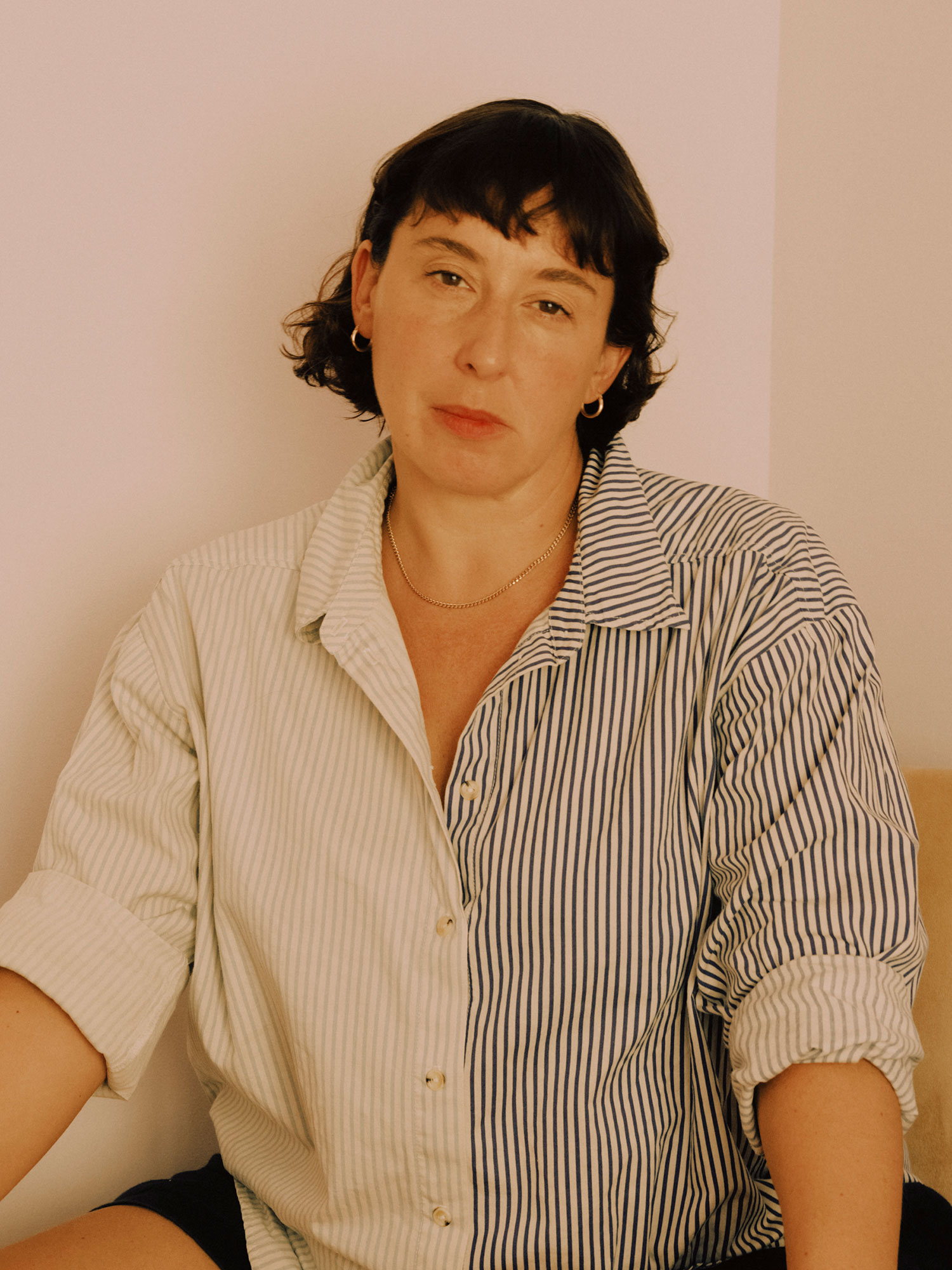
Lisa Sorgini is an Australian - Italian artist whose photographic practice explores caregiving, motherhood, memory and intimacy. Working from lived experience, her photographs examine the emotional, social and political dimensions of family life, with a particular focus on maternal labour and the structures that shape care.
Her long-form projects, including Mother, In-Passing and Behind Glass, consider maternal subjectivity, interdependence and the ways care is lived and negotiated within contemporary family life. Other bodies of work, including The Bushfire, the Flood and Thick Like Water, extend her engagement with themes of climate anxiety, gender, belonging and intergenerational relationships.
In 2025, The Bushfire, The Flood was exhibited at Les Rencontres d’Arles as part of On Country: Photography from Australia, alongside the publication of her second monograph, In-Passing (Libraryman). Her first monograph, Behind Glass, was published by Libraryman in 2022 and was followed by a major solo exhibition at Centre for Contemporary Photography, Melbourne, in 2023.
Sorgini’s work has been exhibited internationally and is held in the Hermès Collection of Contemporary Photography. Her second monograph, In-Passing, was shortlisted for the 2026 Rencontres d’Arles Book Award.
Her work has been recognised through multiple awards and nominations, including the Taylor Wessing Photographic Portrait Prize, National Portrait Prize, Portrait of Humanity and the Lucie Portrait Project, and has been profiled in The New Yorker, TIME, The New York Times and The Guardian.
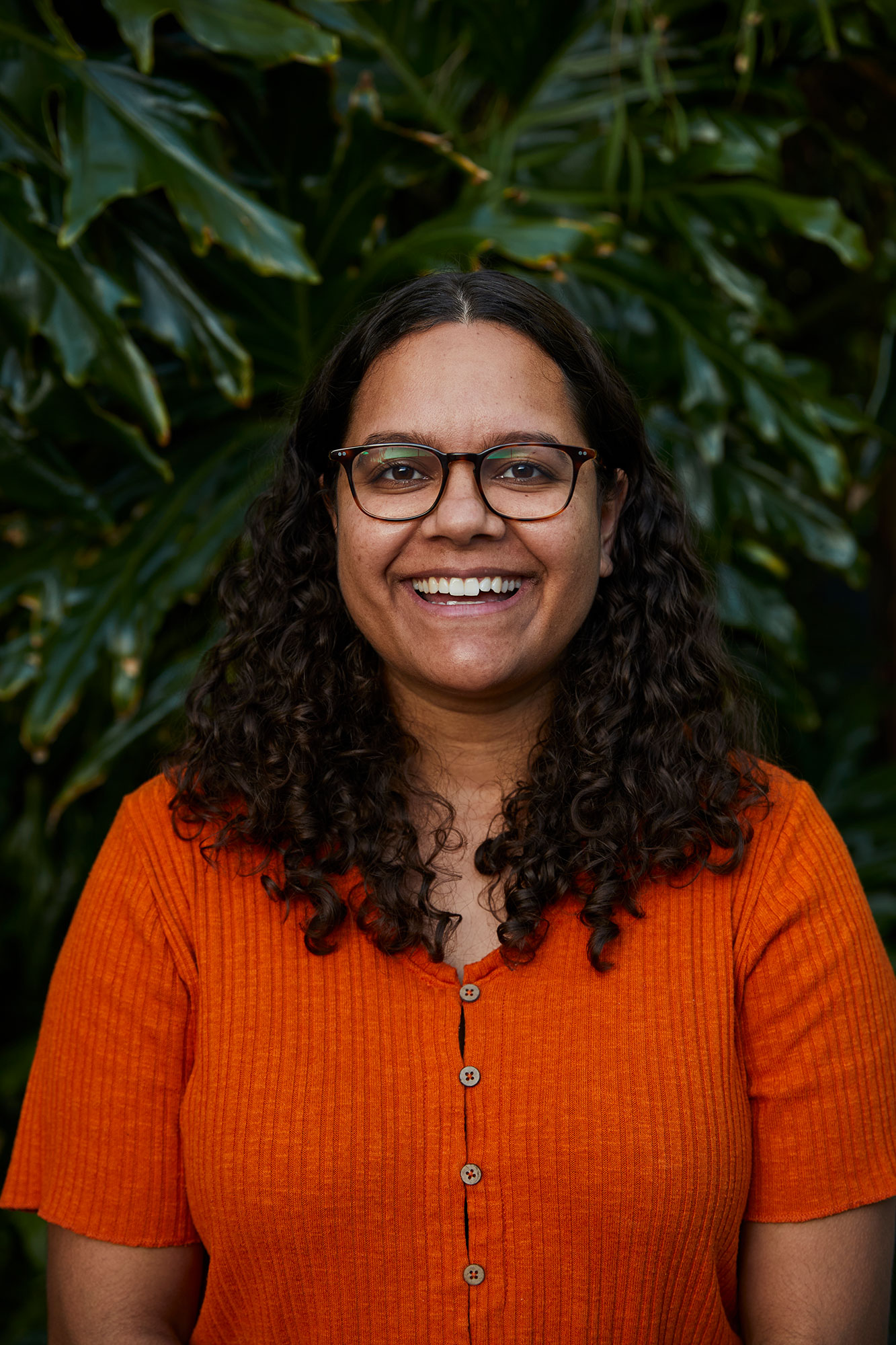
Tace Stevens is a Noongar and Spinifex visual storyteller based in Perth, Western Australia. She is a self-taught documentary photographer with a film degree from the Australian Film and Television Radio School. With a background in community development and education, story sovereignty and authenticity are important to her work.
Stevens uses photography and film to explore themes of identity, truth telling, and to better understand who she is, as an Aboriginal woman.
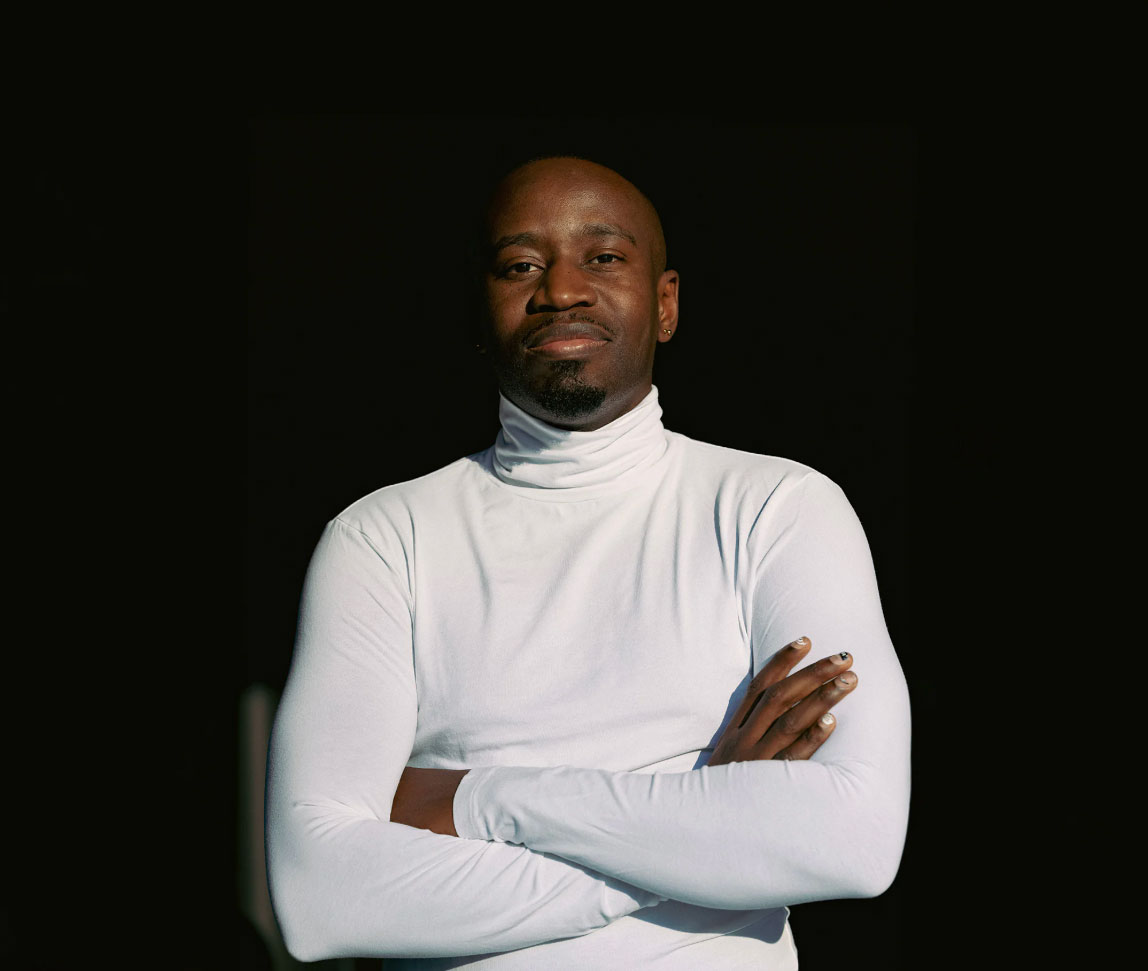
wani toaishara is a Congolese artist based in Melbourne, Australia. His practice bridges documentary and conceptual art, exploring cultural practice, identity and embodied memory. toaishara creates intimate works through image-making, installation, and performance. His art delves into themes of cultural memory and resilience, often incorporating elements inspired by the dynamic visual language of the African Diaspora.
toaishara's site-responsive approach considers the relationality between cultural materiality, memory, and place, unpacking connections between historical narratives and contemporary realities. Although personal, his work resonates with each site's unique atmosphere while addressing broader themes of identity, displacement, and rememory.
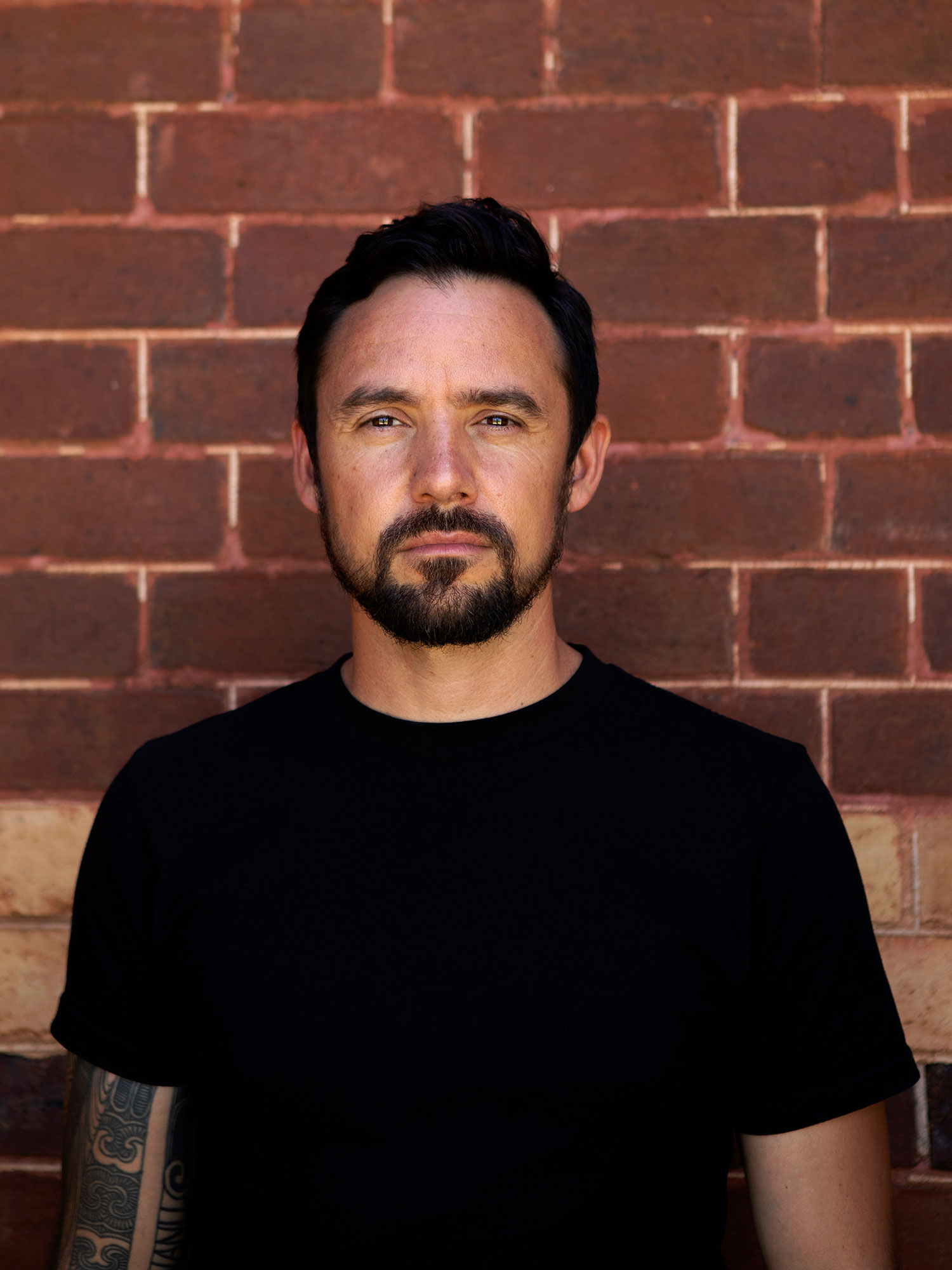
James Tylor is an Australian multi-disciplinary visual artist whose practice explores Australian environment, culture and social history. These mediums include photography, video, painting, drawing, sculpture, installation, sound, scents and food. He explores Australian cultural representations through the perspectives of his multicultural heritage that comprises Nunga (Kaurna Miyurna), Māori (Te Arawa) and European (British, Irish and Norwegian) ancestry. Tylor's work focuses largely on the history of 19th century Australia and its continual effect on present day issues surrounding cultural identity and the environment. His research, writing and artistic practice has focused most specifically on Kaurna Indigenous culture from the Adelaide Plains region of South Australia and more broadly European colonial history in Southern Australia. His practice also explores Australian indigenous plants and the environmental landscape of Southern Australia.
Gallery

ACCESSIBILITY
Please view our accessibility page for general information. A sensory map of Melbourne Museum can be found on our Visual Stories page where step-by-step visual and written access guides are available. Contact our team on 13 11 02 or email us at [email protected] to discuss how we can support your visit.