Objects can tell us about our past and present lives. Finding the right objects is key to telling your story.
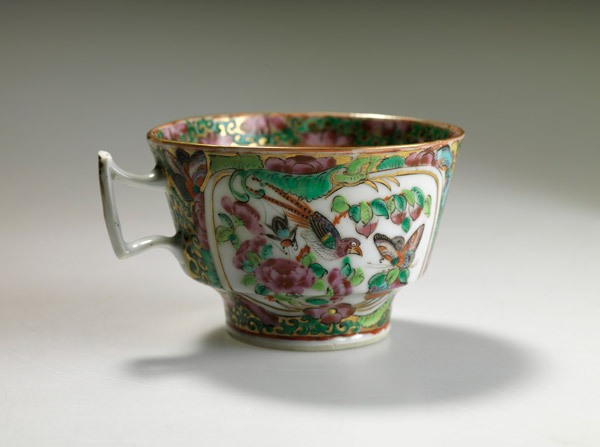
To get started, you might ask your family and people you know about objects they have which might be connected to their family or community history.
Perhaps you even have an object that connects to a particular history.
The types of object you find may include: luggage, clothes, photographs, mementos, keepsakes, letters, diaries, books, newspaper and magazine cuttings, tools, recipes, sketches, handcrafts, postcards, personal papers and passports.
Objects should be small enough to be brought to share, and not too valuable.
Tip: work out how you can store your object safely during the project. You may need to make a secure box for it. Alternatively, take close-up photos of the object from a number of angles and use the photographs rather than the object.
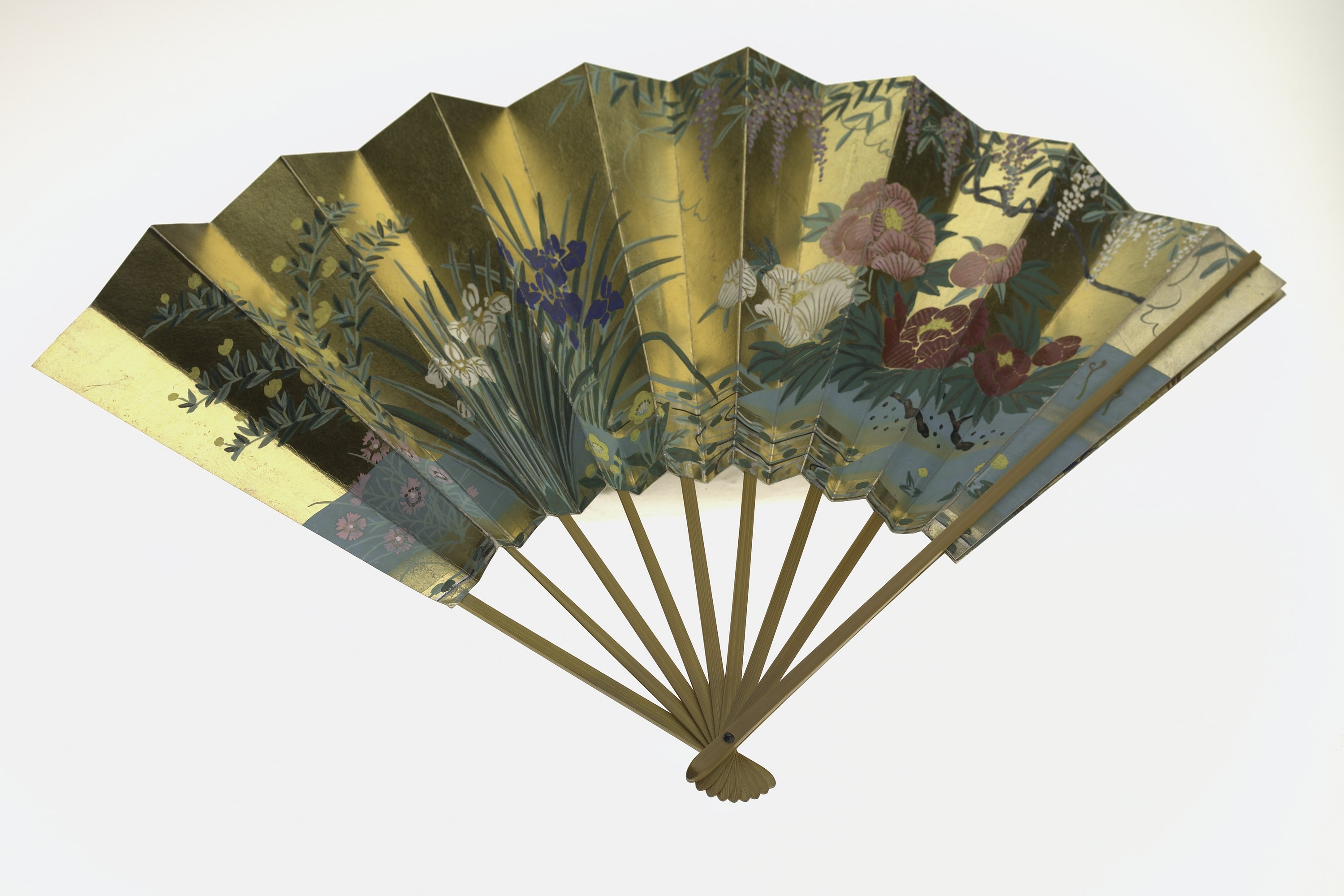
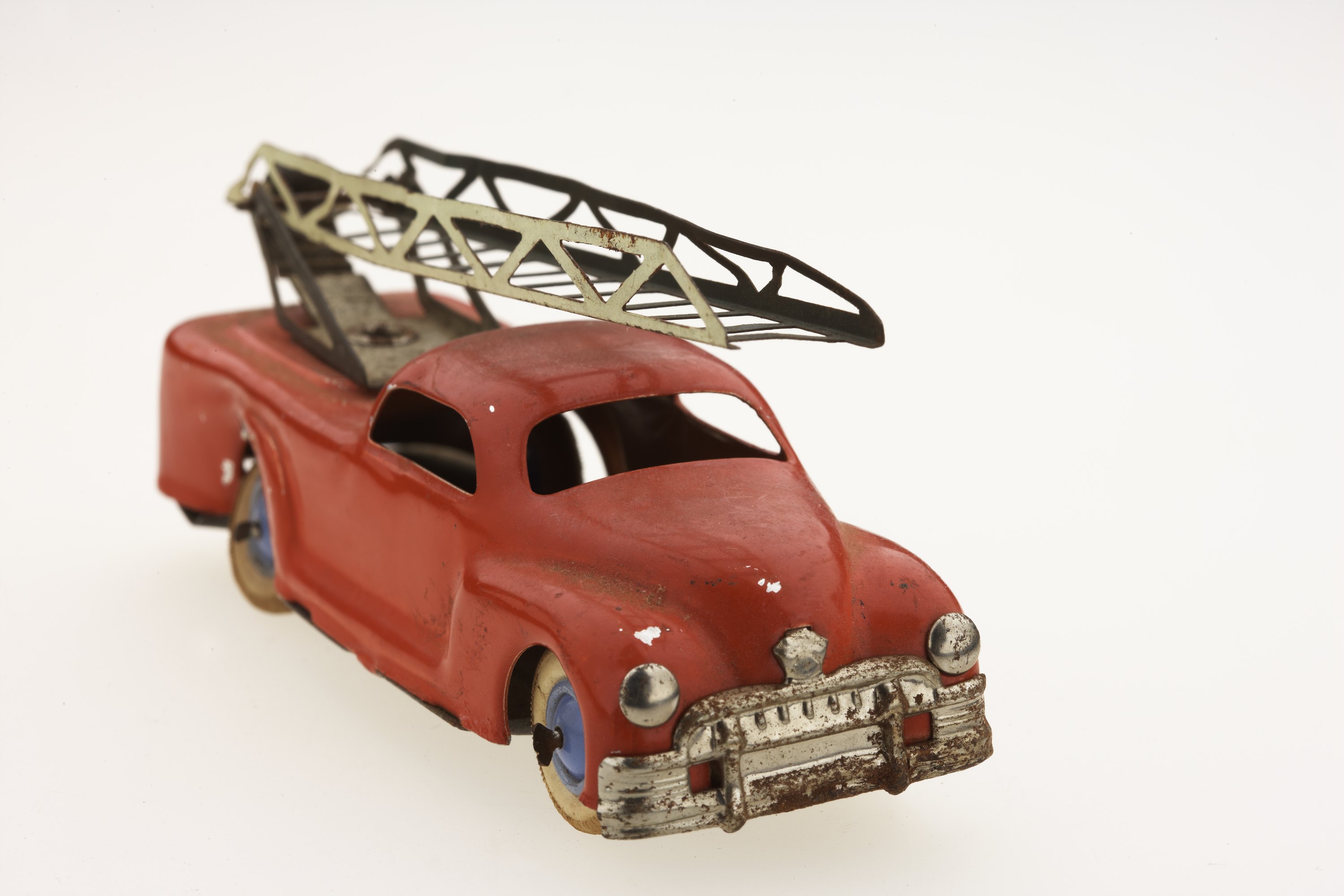
Choose an object that is significant to your family or community.
Loans and permissions
Make sure you ask permission to borrow any object for use in the Small Object Big Story project.
Download the student permission form:
Student Permission Form91.5KB .docx file
Loan of collection items for display need to be arranged well in advance. Download the loan agreement form:
Loan Agreement Form 79.2KB .docx file
Download the conservation report form: