Museums Victoria Courses: ROME
EVENT IN PROGRESS
Tuesday 25 August, 1, 8 & 15 September
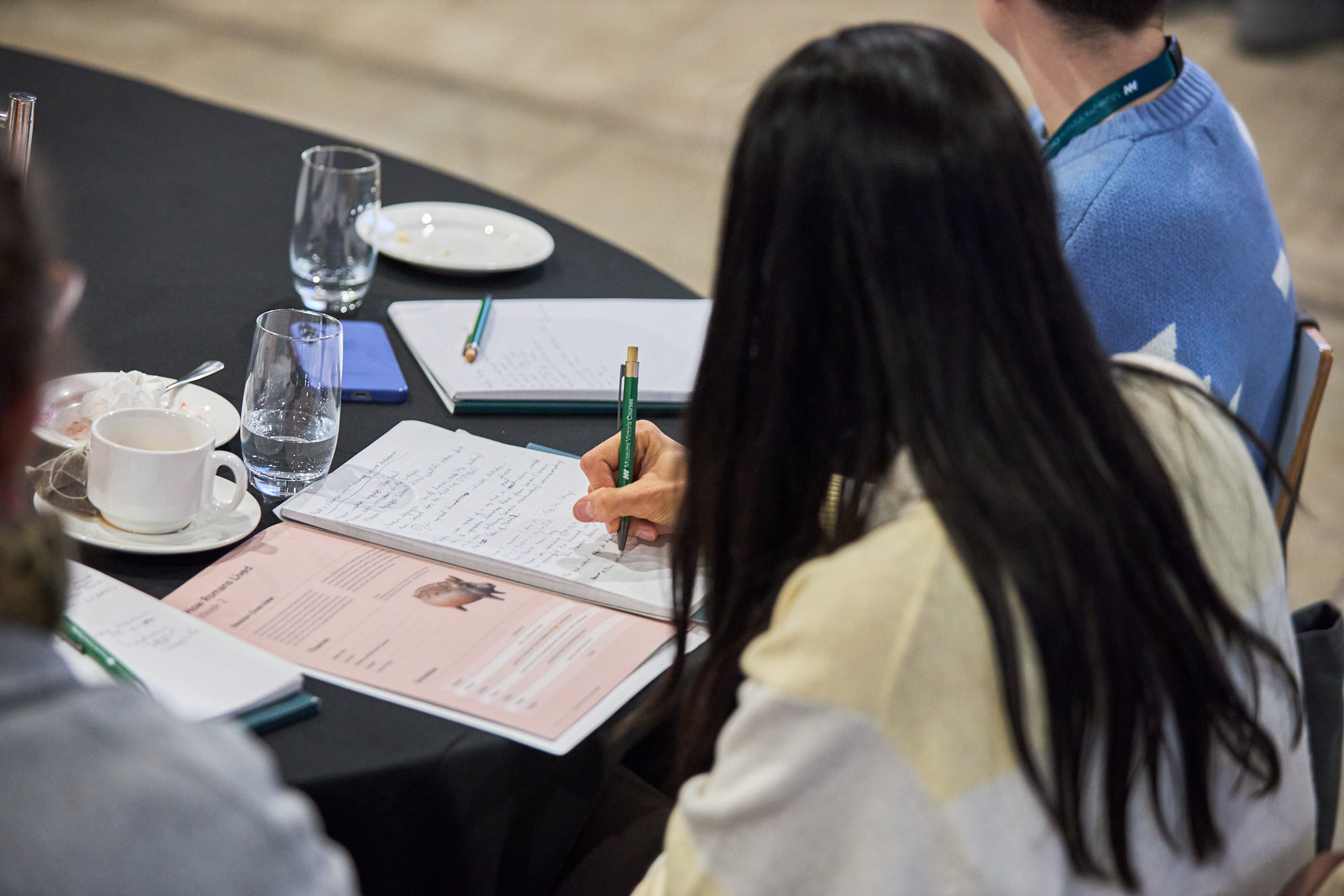
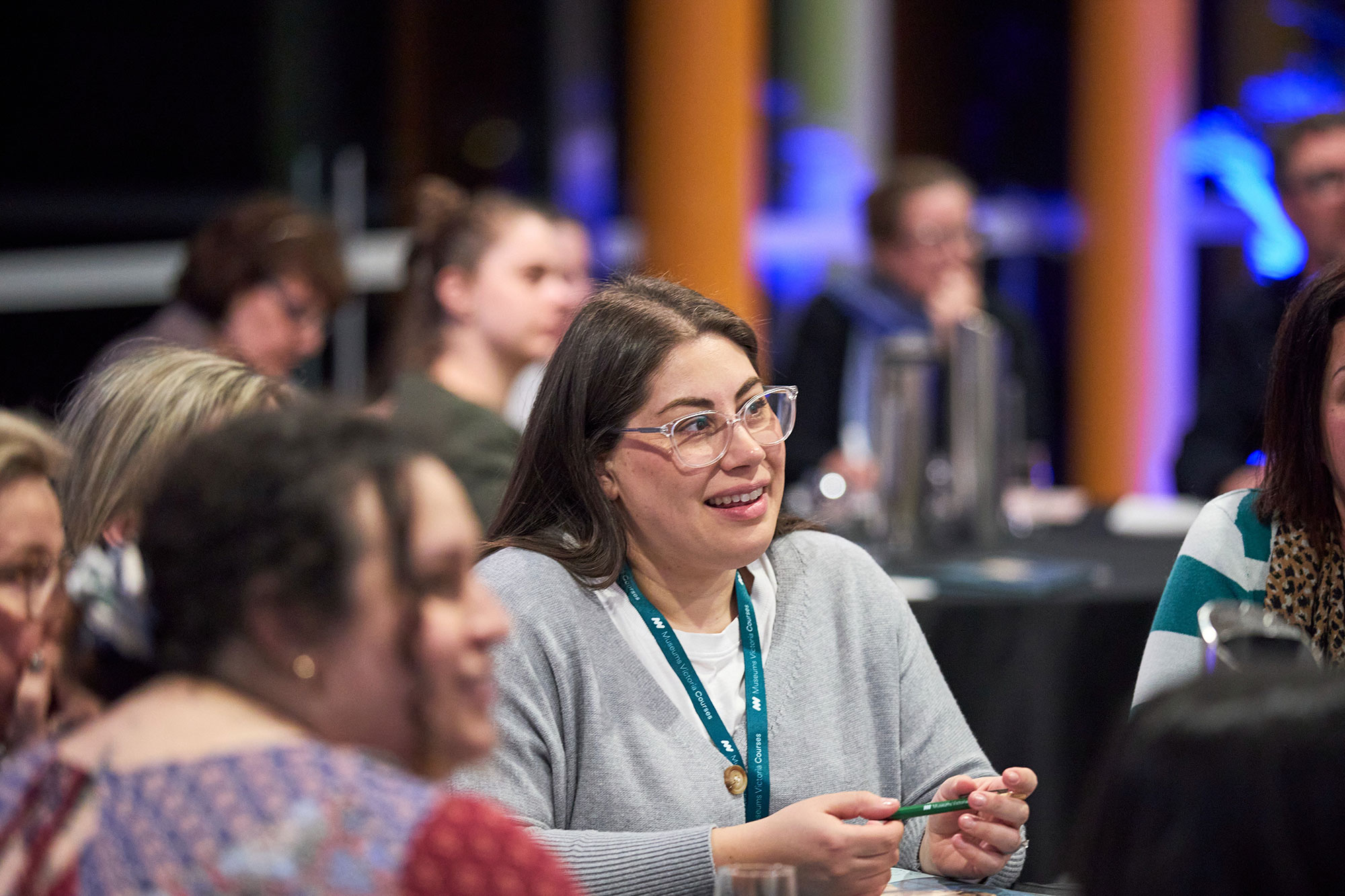
Experience hands-on workshops and after-work classes for adults in the CBD, inspired by our exhibitions, collections and the expertise within our museums.
This four-week course will focus on ROME: Empire, Power, People, a spectacular exhibition tracing the ambition, artistry and everyday life of one of history’s most influential civilisations.
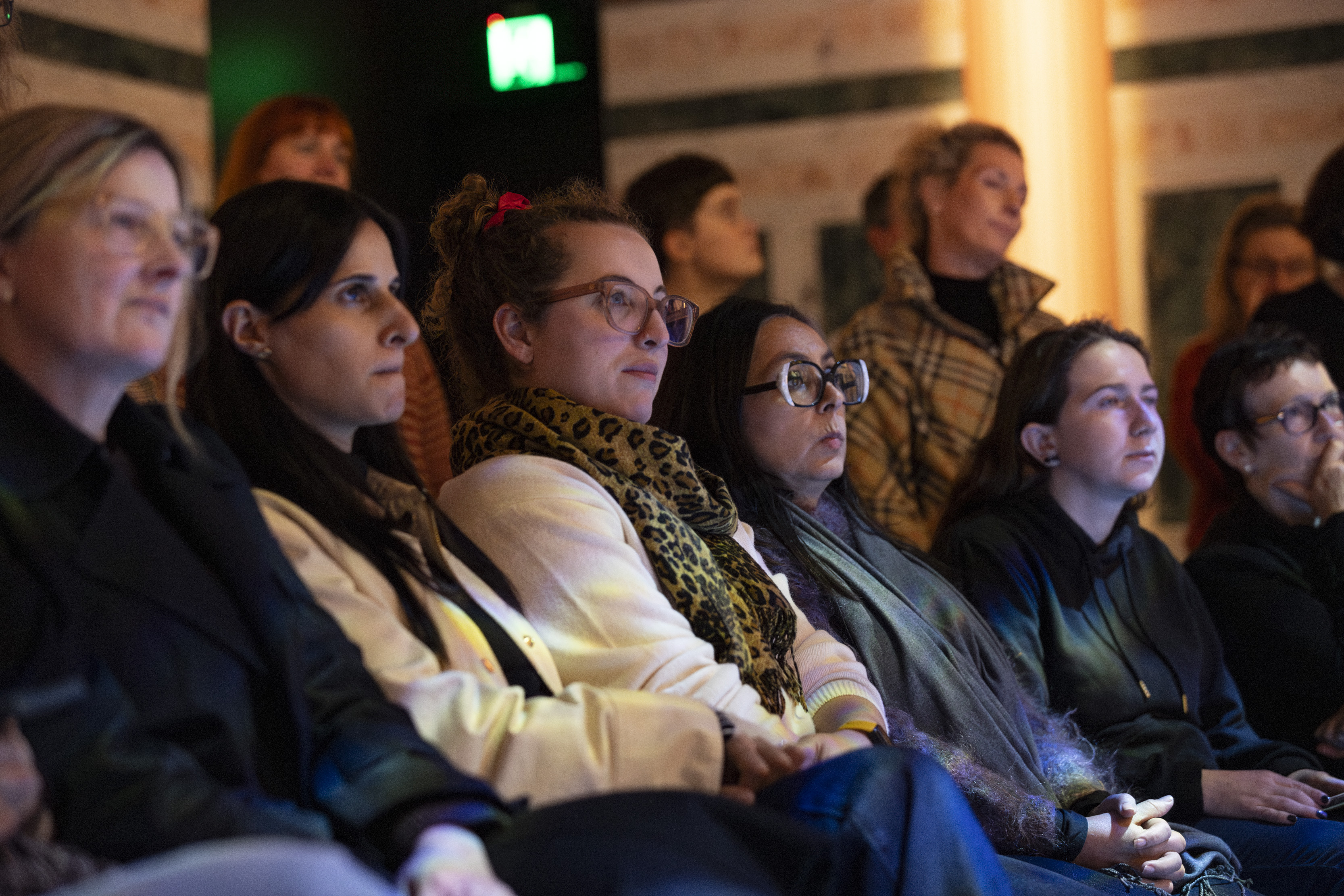
Across four evening sessions, participants will explore the forces that shaped ancient Rome and its enduring legacy today through:
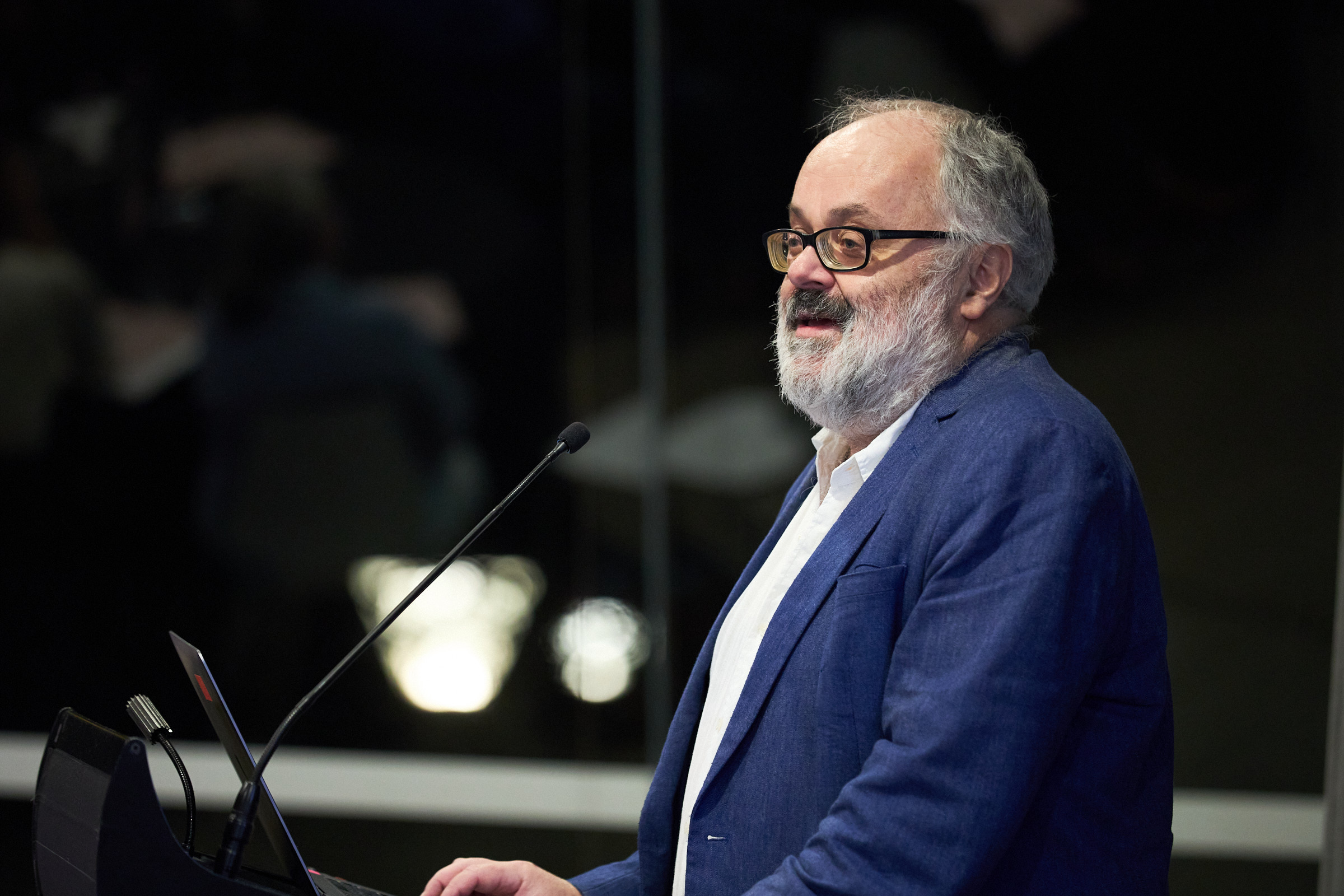
- Lecture talks
- Expert discussions
- Curator insights
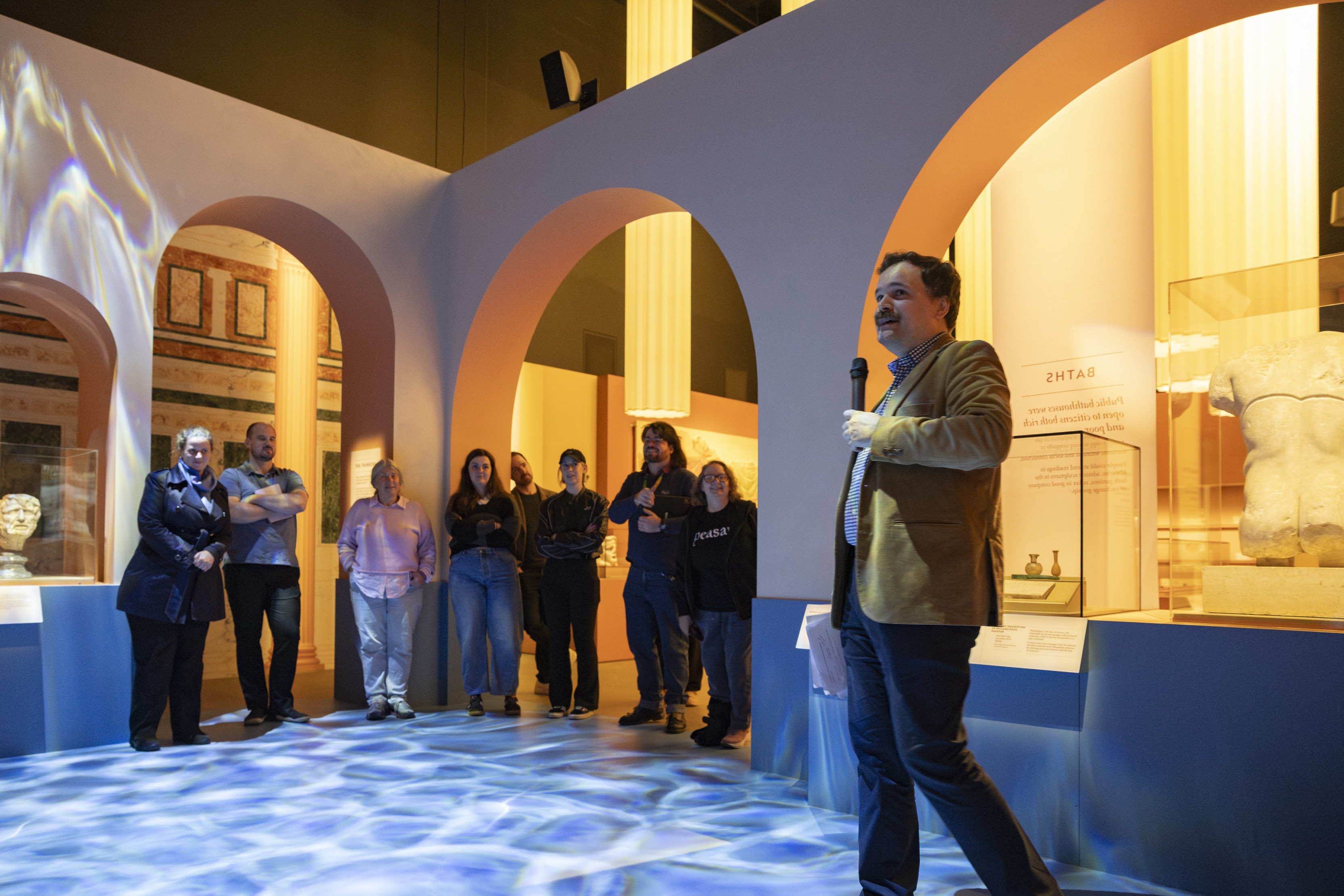
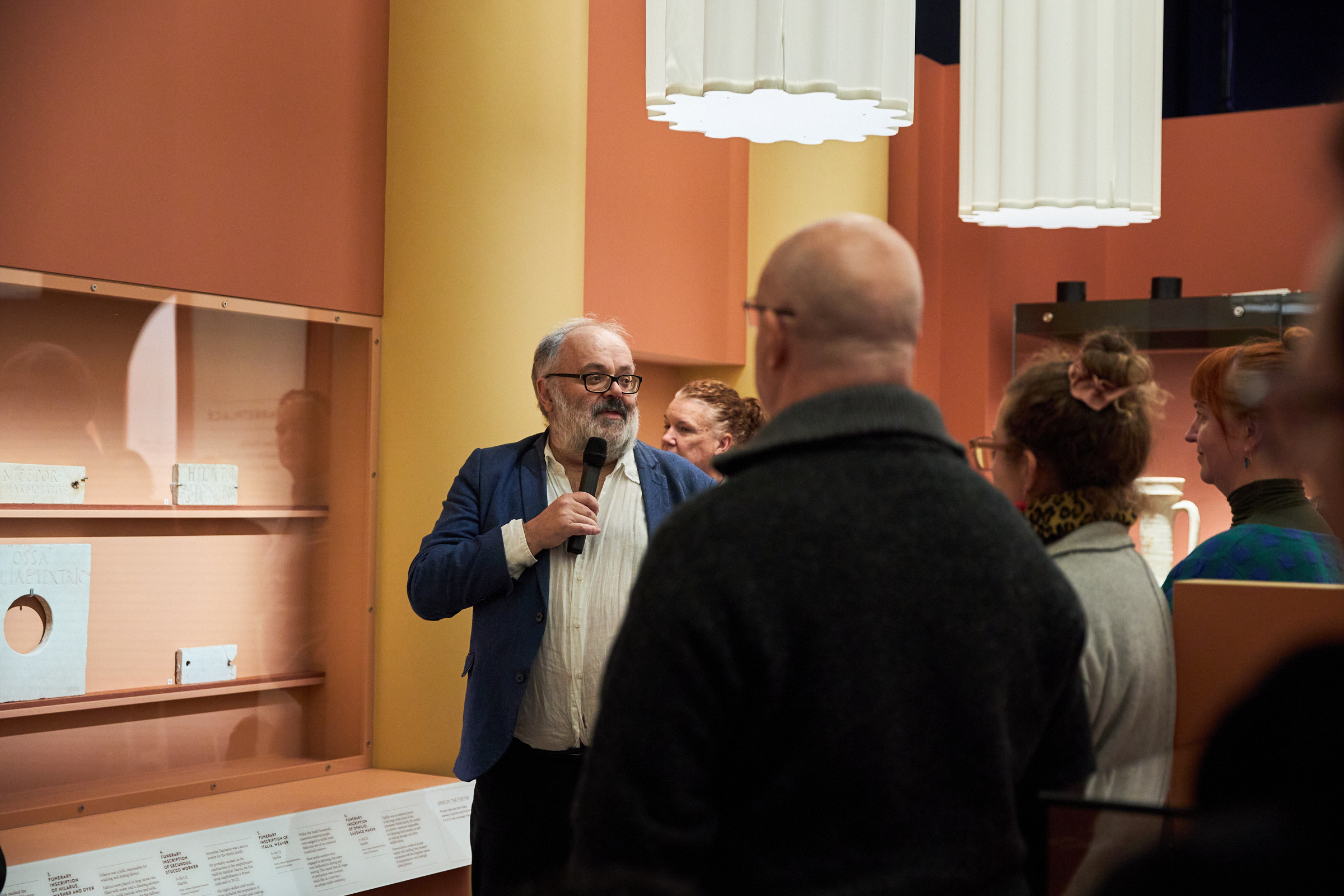
- Guided exhibition experiences
- Object-focused learning
Drawing on more than 180 extraordinary objects from Museo Nazionale Romano and Museo Archeologico Nazionale di Firenze, this course offer participants the opportunity to go deeper into the worlds illuminated in the exhibition, from Imperial power and monumental architecture to domestic rituals, belief systems, craftsmanship and the lives of everyday Romans.
Tickets include all four weeks of the course and access to the ROME: Empire, Power, People exhibition.
Tickets
Adult $390
Senior $340
Concession $360
Date & Time
Tuesday 25 August, 1, 8 & 15 September
6 to 9pm
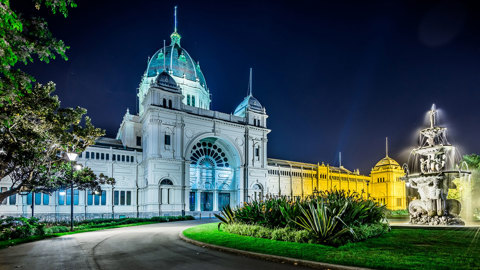
Located at Melbourne Museum
Key information
This course is in progress. If you would like to hear about the next Museums Victoria course, subscribe to our mailing list.
COURSE SCHEDULE
This session traces the major political and social changes that shaped ancient Rome, from its legendary foundation by Romulus to its transformation from republic to empire. Participants will explore how emperors such as Augustus and Nero carefully crafted, or at times failed to maintain, their public image and authority. Along the way, the session considers who influenced those in power, whether women and non-elites could exercise authority within Roman society, and how Romans responded to unpopular rulers.
Speaker
Dr Rhiannon Evans
Adjunct Associate Professor of Classics and Ancient History, La Trobe University
Dr Evans is an expert on Ancient Roman literature, history and culture, and is the co-host of the popular podcast Emperors of Rome.
Step into the streets of the ancient Roman world and discover what everyday life may have looked like for ordinary Romans. Beginning through the lens of Pompeii, this session will investigate the realities underlying Roman society. Participants will journey through the streets of a Roman town in the 1st century CE exploring homes, bathhouses, theatres, and the arena. By examining archaeological evidence including buildings, works of art, inscriptions, and contemporary literature, we will uncover the realities of both the splendour and the squalor of daily in ancient Roman times.
Speakers
Dr Roslynne Bell
Honorary Research Fellow in Classics and Archaeology, University of Melbourne
Dr Bell has a background in teaching Roman art and archaeology, and her research is in the fields of Roman art, topography, and religion, with a particular focus on visual propaganda and the cult of the Magna Mater.
Prof Tim Parkin
The Tatoulis Chair in Classics, University of Melbourne
Professor Parkin teaches both ancient history and classical languages, and his main research is in Roman social history, currently both domestic violence in the Graeco-Roman world and ancient sexual health.
Explore the beliefs, rituals, and spectacles that shaped life across the Roman world. From household shrines and sacred statues, to temples, gladiatorial games, theatrical performances, funerals, feasts, and mystery cults, this session uncovers how religion was woven into Roman society. Particularly interesting is the way that Romans used religion and funerals to promote themselves and demonstrate their wealth and power to the community, while also honouring the gods and the dead. Roman religion was also quite flexible, incorporating many new elements and diverse beliefs from across the empire, and changing as new ideas emerged. This session will investigate these and other aspects of the complex spiritual world of Ancient Rome.
Speakers
Dr Christopher Gribbin
Adjunct Lecturer at La Trobe University
Dr Gribbin is a public historian, specialising in Ancient Rome, and has a particular interest in understanding how people make sense of the world, whether through religion, philosophy, myth, art or architecture.
Dr Andrew Connor
Senior Lecturer in Ancient History, Monash University
Dr Connor teaches Roman history, language, and archaeology, as well as classical civilisation and ancient history more broadly, and has an interest in the Roman Empire and Roman Egypt.
Consider the legacy of ancient Rome and explore how its ideas, systems, and culture have continued to shape the world long after the fall of the empire. This session will draw together themes from across the course, and reflect on the lasting influence of Roman politics, society, religion, and cultural identity. Participants are invited to consider what lessons can be drawn from Rome’s successes and challenges, how Roman cultural values have continued in contemporary society, and how studying the ancient world can deepen our understanding of current global challenges.
Speakers
Professor Frederik Vervaet
Professor in Ancient History, University of Melbourne
Professor Frederik Vervaet teaches Roman history and has published widely on the social and political history of the Roman Republic and the body of law that underpinned Roman society.
Dr Ashleigh Green
Assistant Lecturer in Classics and Archaeology, University of Melbourne
Dr Ashleigh Green teaches a wide range of ancient world subjects, with a particular focus on the history and mythology of Rome. She is active in the field of classical reception – the study of how the art, literature, and culture of ancient Greece and Rome have been reinterpreted, adapted, and reused by later generations, including right here in Australia.
Dr Christopher J. Dart
Research Associate, University of Melbourne
Dr Christopher J. Dart is an expert in the social and political history of the Roman citizenship, political participation, land ownership, and Roman civic and military organisation. He currently focuses on political participation and conflict during the transitional century between Republic and Empire.
This program has been made possible thanks to the generous support of the Italian Australian Foundation.
ACCESSIBILITY
Please view our accessibility page for general information. A sensory map of Melbourne Museum can be found on our Visual Stories page where step-by-step visual and written access guides are available. Contact our team on 13 11 02 or email us at [email protected] to discuss how we can support your visit.