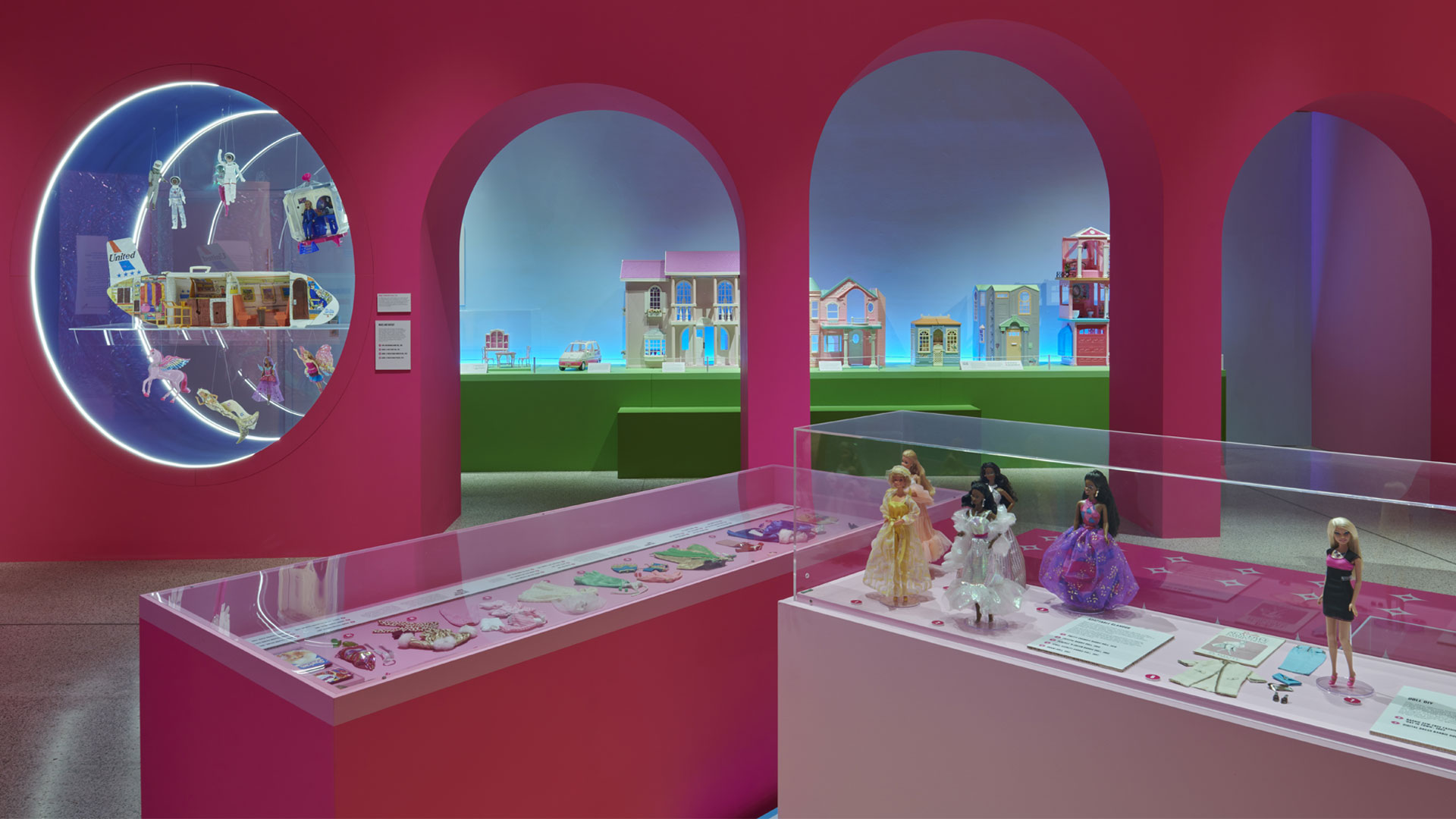
Join Michael Reason, curator of history and technology at Museums Victoria, for a series of pop-up talks exploring the people, places and ideas that have shaped the Barbie universe.
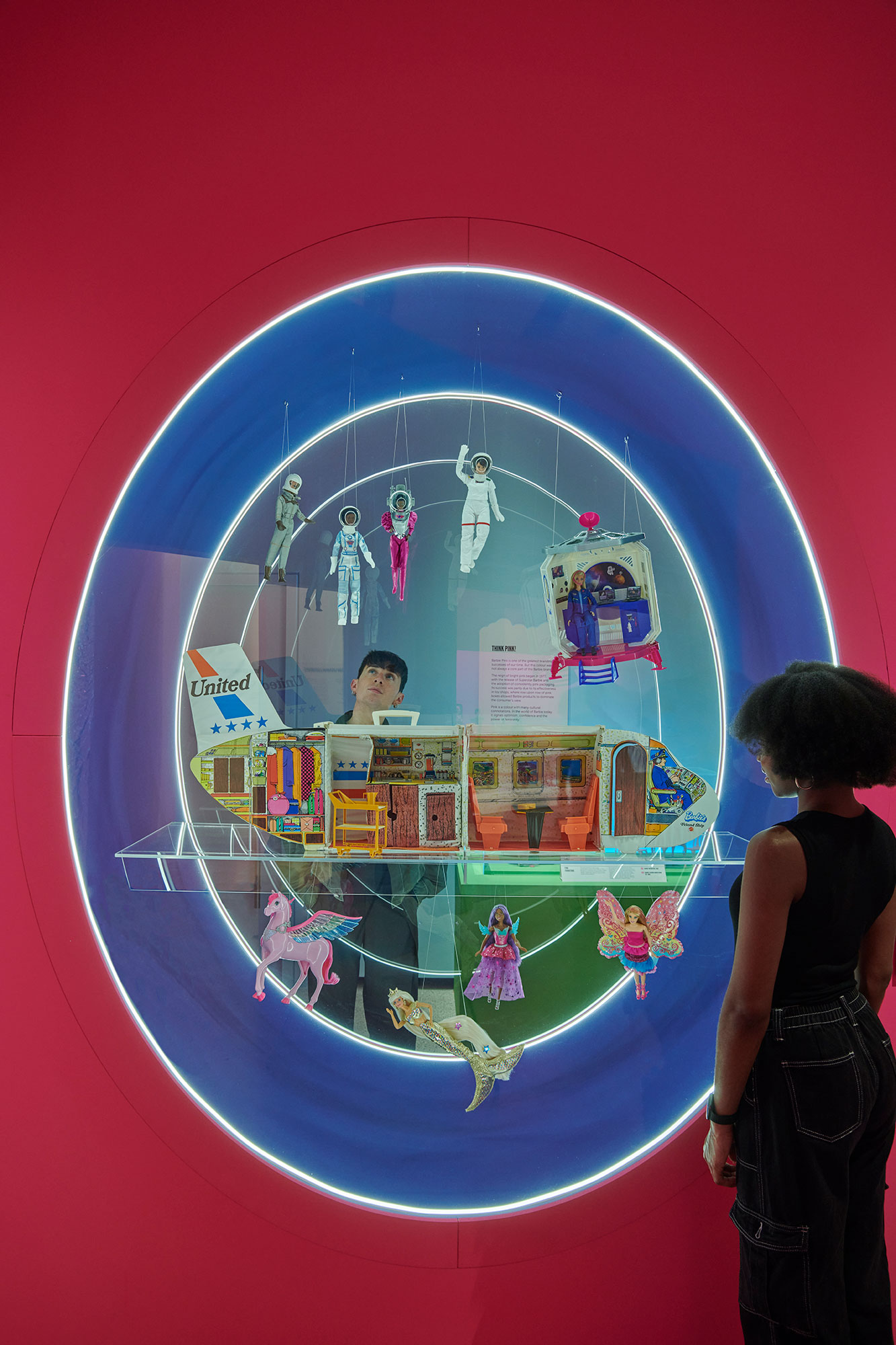
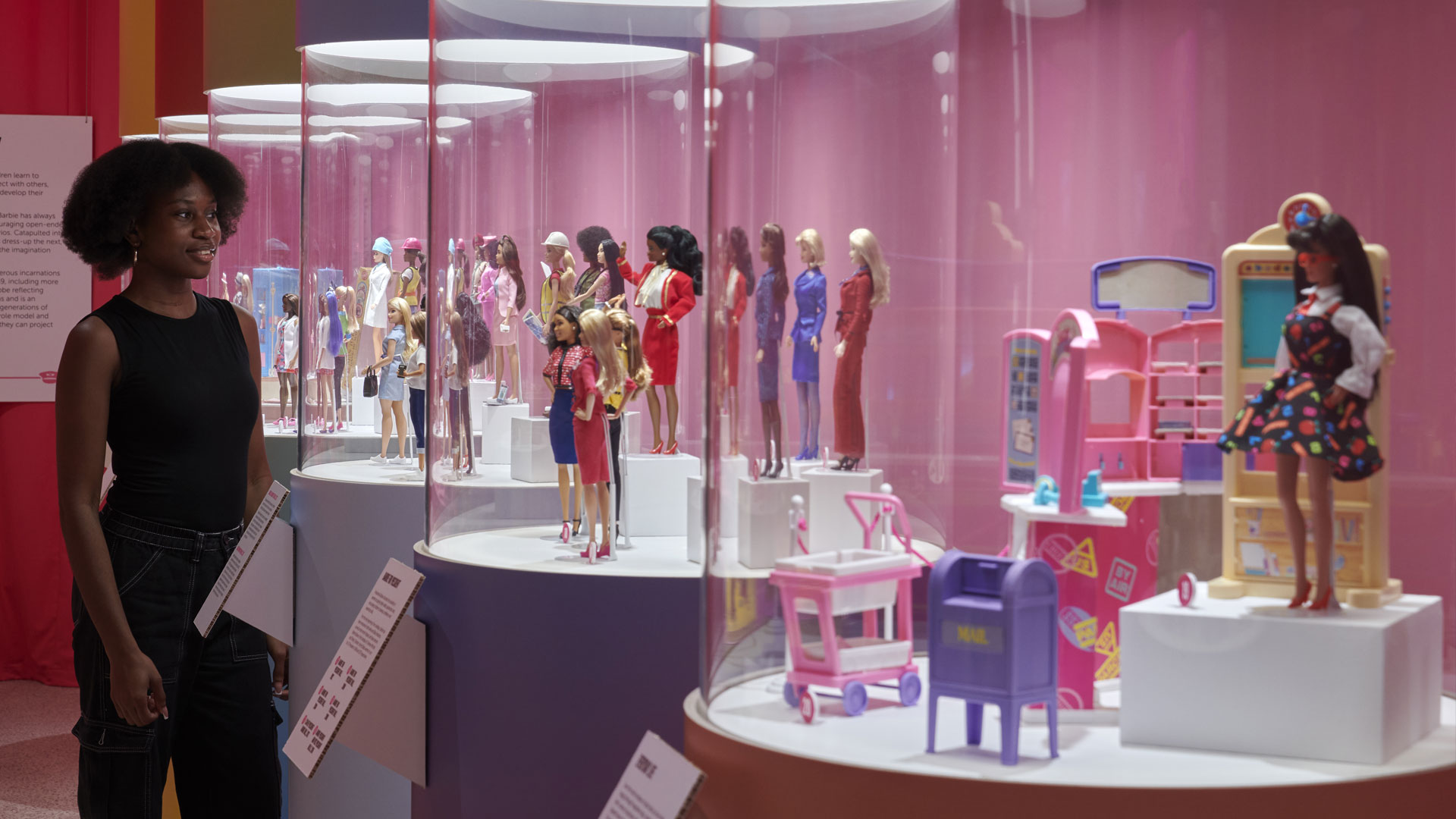
From her evolving style and famous friends to Ken and the iconic Dream House™, discover the stories behind some of the brand's most recognisable features in this series of talks.
Tickets
Adult $30
Senior $25
Child 16 Years & Under $20
Concession $25
Member Adult $25
Member Child 16 Years & Under $18
Member Concession $20
Date & Time
Saturday 28 November
10:30am, 11:30am & 1pm
(15 minute sessions)
Key information
These talks take place inside the exhibition where there is limited space. We recommend arriving early to secure your spot, as sessions may reach capacity.
TALKS
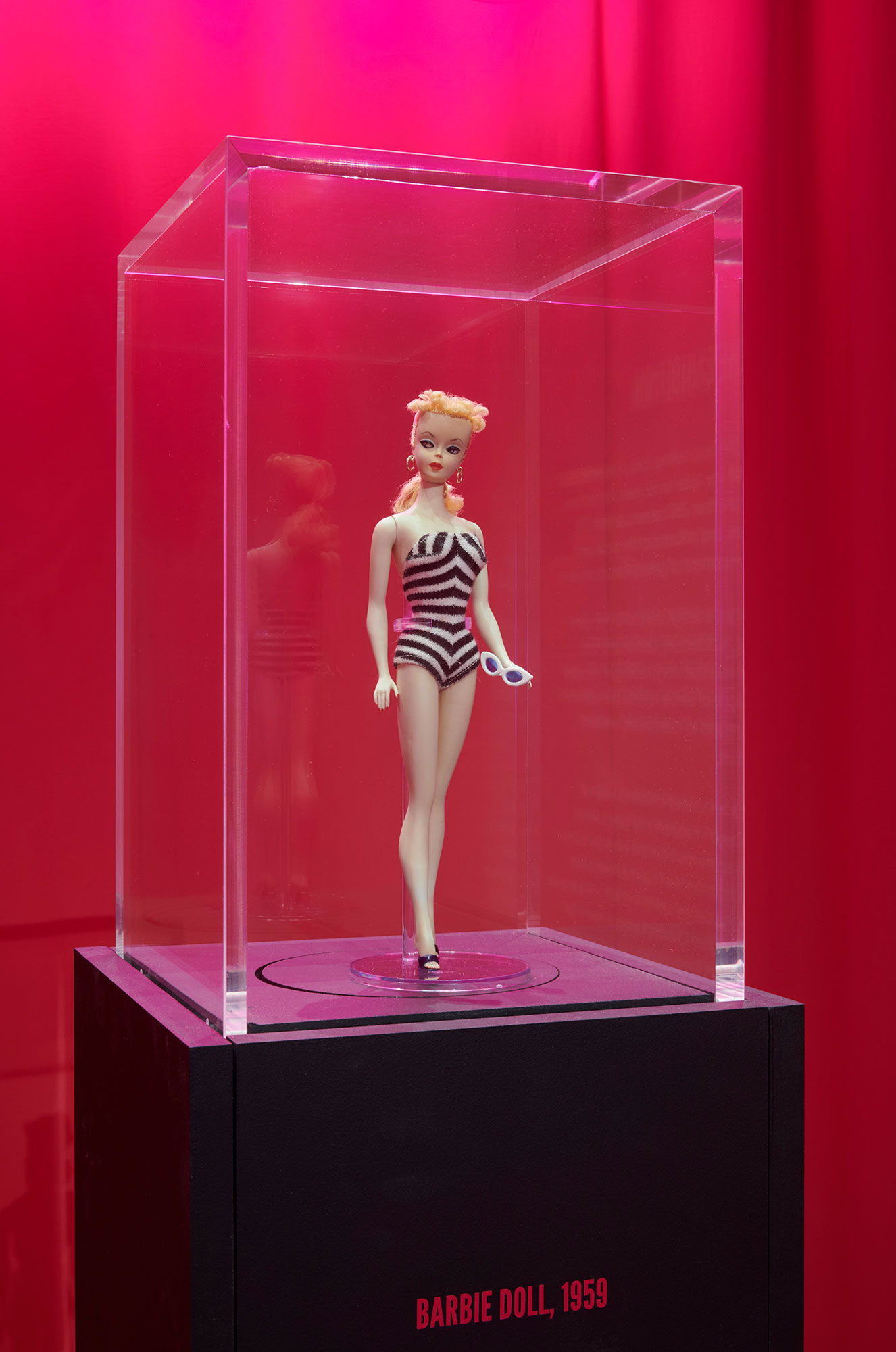
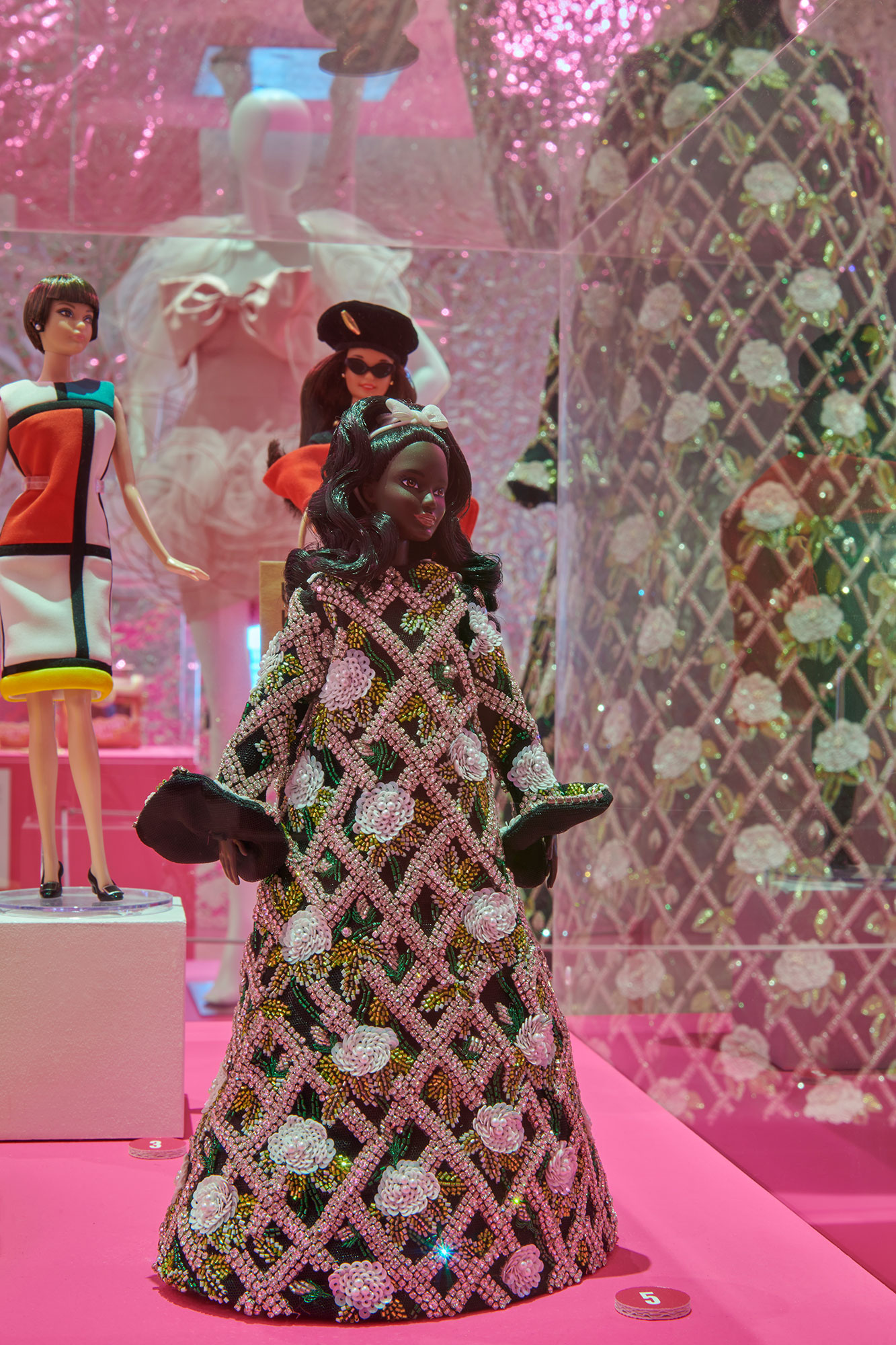
From her original look to the many faces and fashions that followed, discover how Barbie evolved into a global icon. Explore the design choices, characters and ideas that helped create the ever-expanding world of Barbie and friends.
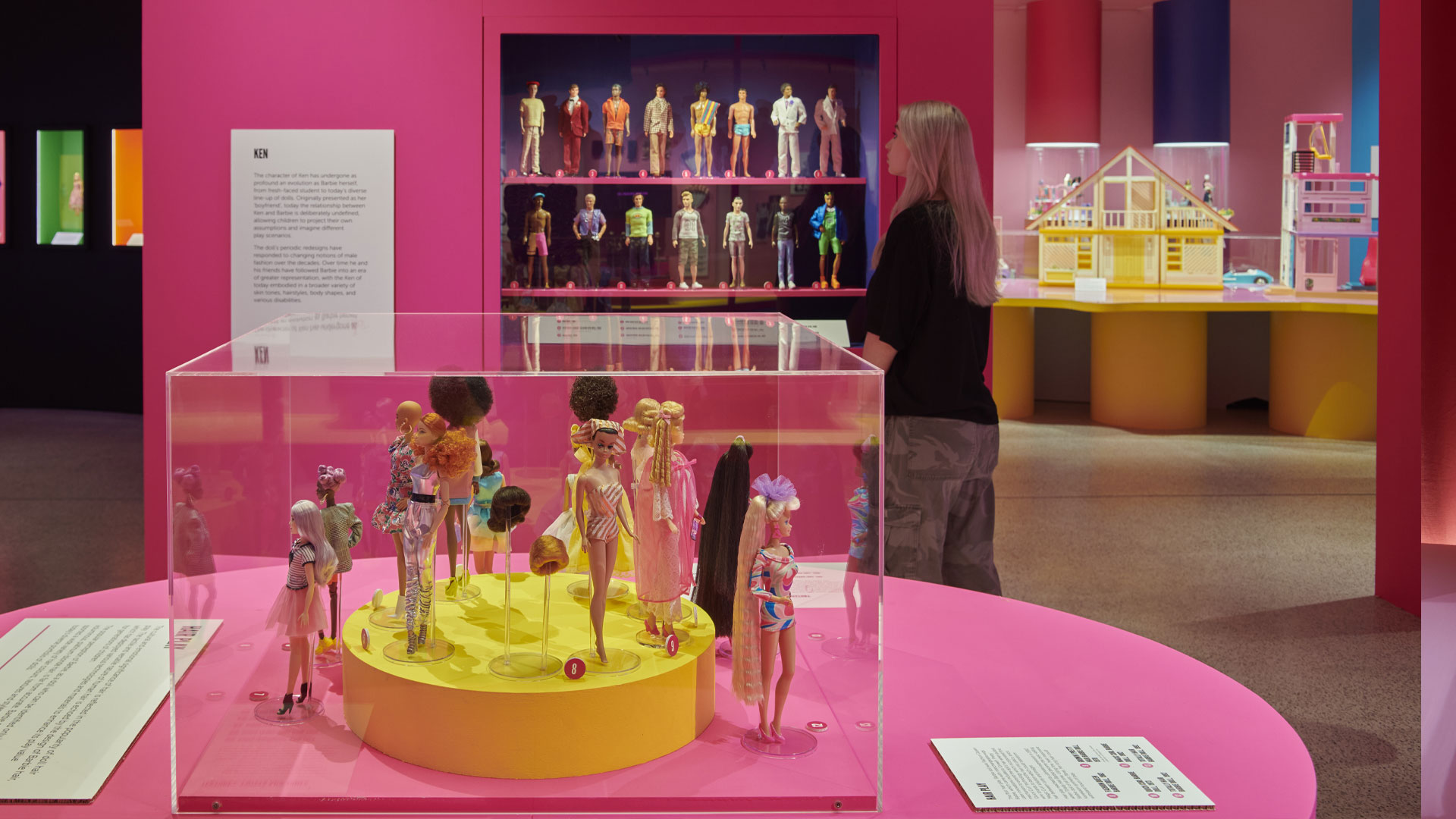
It’s time to put Ken in the spotlight. Meet some of the most famous Kens and discover how his looks, careers and evolving role in the Barbie world have changed over the decades.
Take a look at the Barbie universe and explore the story behind the iconic Barbie Dreamhouse™. From early designs to the homes that have become synonymous with Barbie, discover how the Dreamhouse has evolved and what it reveals about changes in architectural design and societal contexts.
BIOS
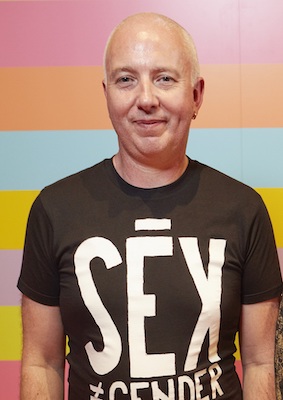
Born and raised in Hobart, Tasmania, Michael moved to Melbourne after studying history at the University of Tasmania. He earned a Graduate Diploma of Museum Studies at Deakin University and has since worked in collection management in science and technology and social history collections. Highlights included working with the 80,000 large format negatives of the Laurie Richards collection, which documented commercial life in Melbourne from the 1950s to the 1970s.
In the 2000s, he moved to the curatorial team; first as a generalist curator and then establishing his own area, christened `leisure and social spaces’. His areas of particular interest include post 1900 fashion, film and television production and distribution, festivals and events (such as Moomba, Olympic Games and Melbourne Cup), Australian toys and games and local jewellery design.
Gallery

ACCESSIBILITY
Please view our accessibility page for general information. A sensory map of Melbourne Museum can be found on our Visual Stories page where step-by-step visual and written access guides are available. Contact our team on 13 11 02 or email us at [email protected] to discuss how we can support your visit.