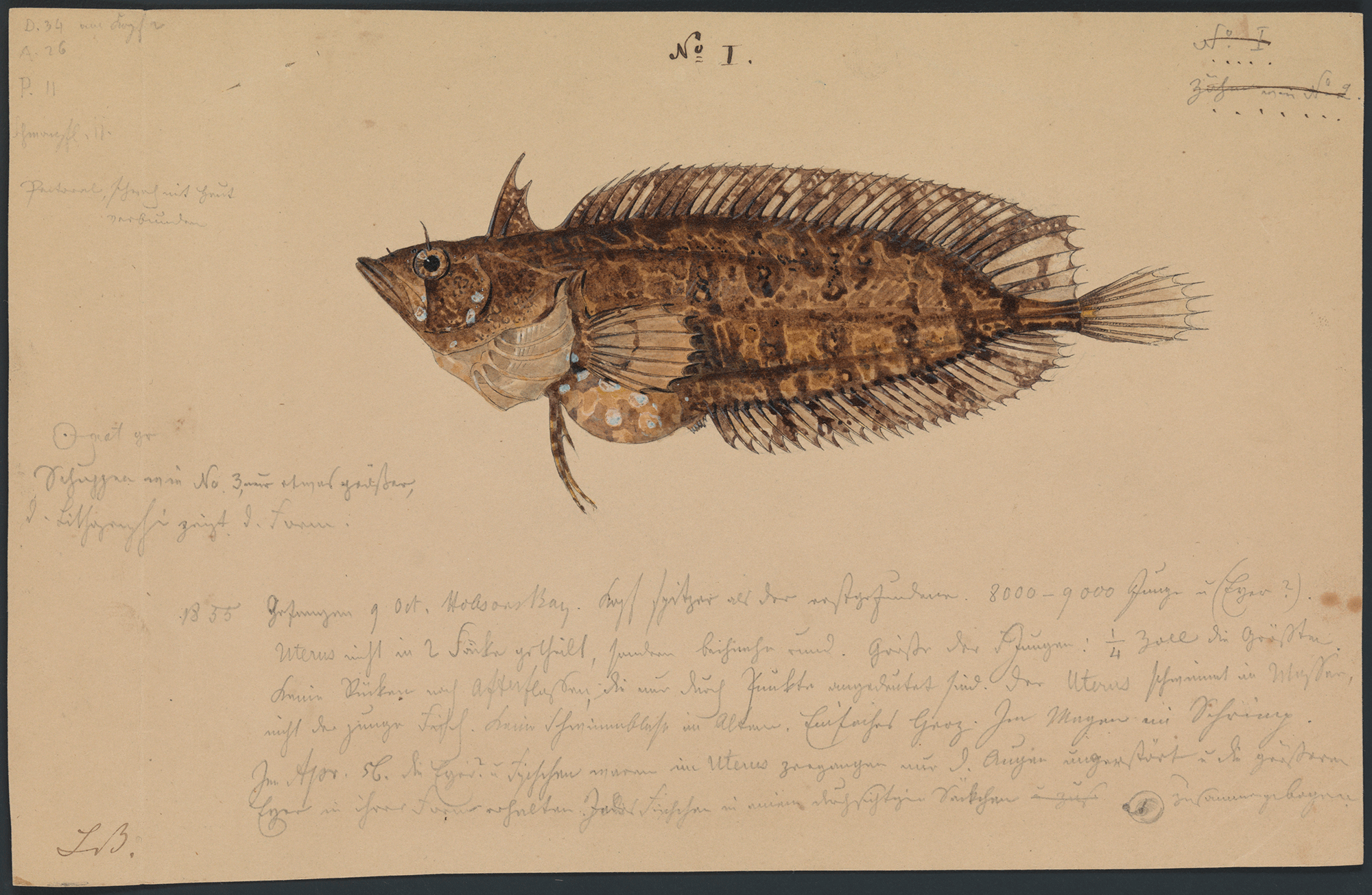
When Ludwig Becker went fishing at the mouth of the Yarra Yarra in October 1855 he was searching for weedfish, a cryptic species adapted to the varying environmental conditions of a temperate estuary.
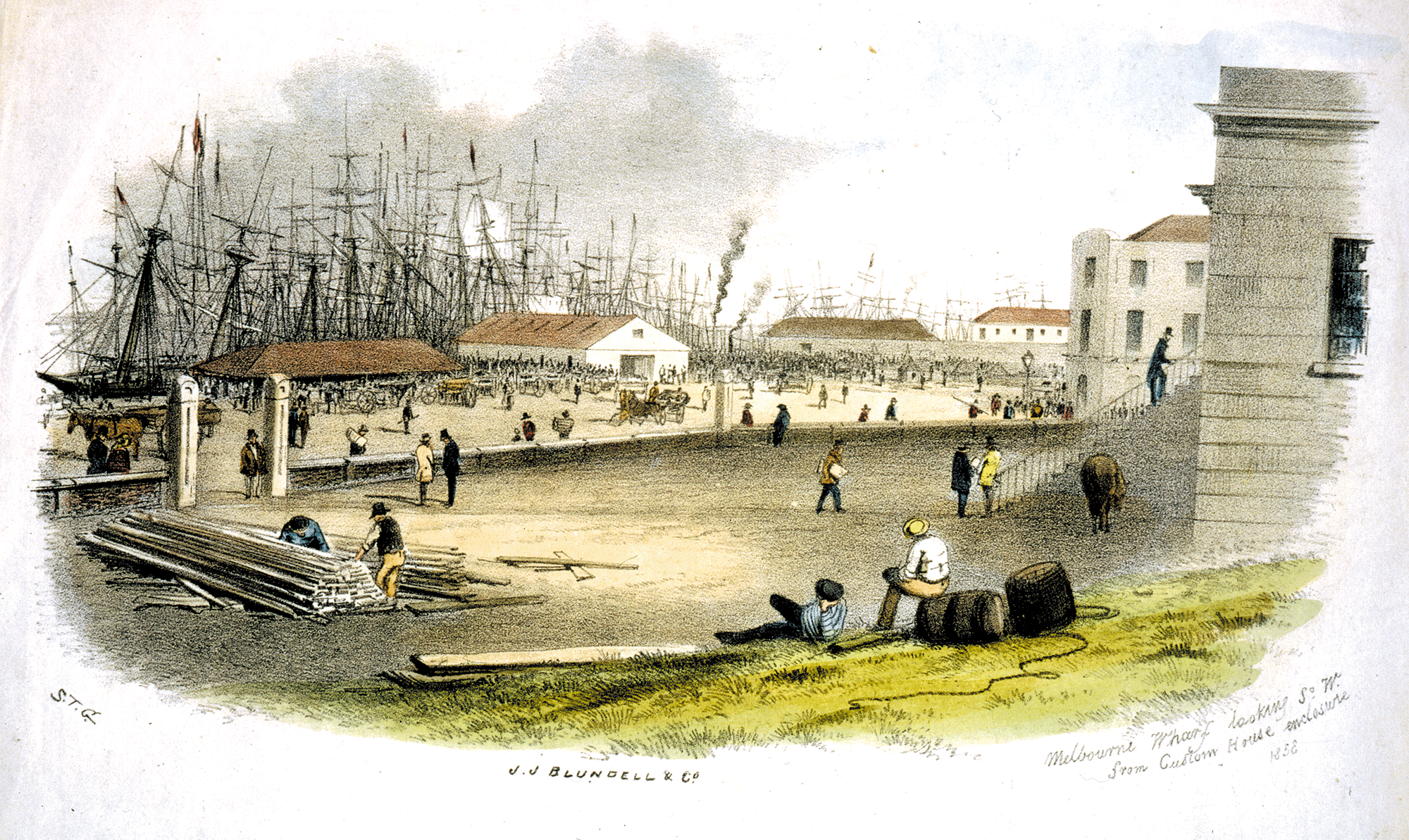
If the German naturalist and artist looked up he would have seen a substantial flotilla at anchor, with passengers awaiting disembarkation and men rowing to shore in smaller boats stacked to the gunnels. A mile to the south at the Railway Pier sweating men and straining horses loaded freight on the new train, for delivery to warehouses across the recently constructed Sandridge Bridge.
Were Becker to return to the site today he would barely recognise it. Even the waterline has changed fundamentally, with Web Dock sitting on reclaimed land over what was once shallow tidal estuary. West Gate Bridge and Newport Power Station dominate the skyline to the north and west, while shipyard cranes and tanks occupy the Williamstown peninsula.
The environment has also changed below the waterline. Heavier sediment loads and reduced light penetration have made it impossible for seaweed and sea grasses to be sustained, destroying the habitat upon which weedfish rely.
1Ludwig Becker, 'Viviparous Fish from Hobson's Bay', Proceedings of the Philosophical Institute Volume 1, Part 2, 1855-6, pp. 11-13.