An encounter with a case moth on Frederick McCoy's first evening in the colony intrigued the young mutton-chopped professor.
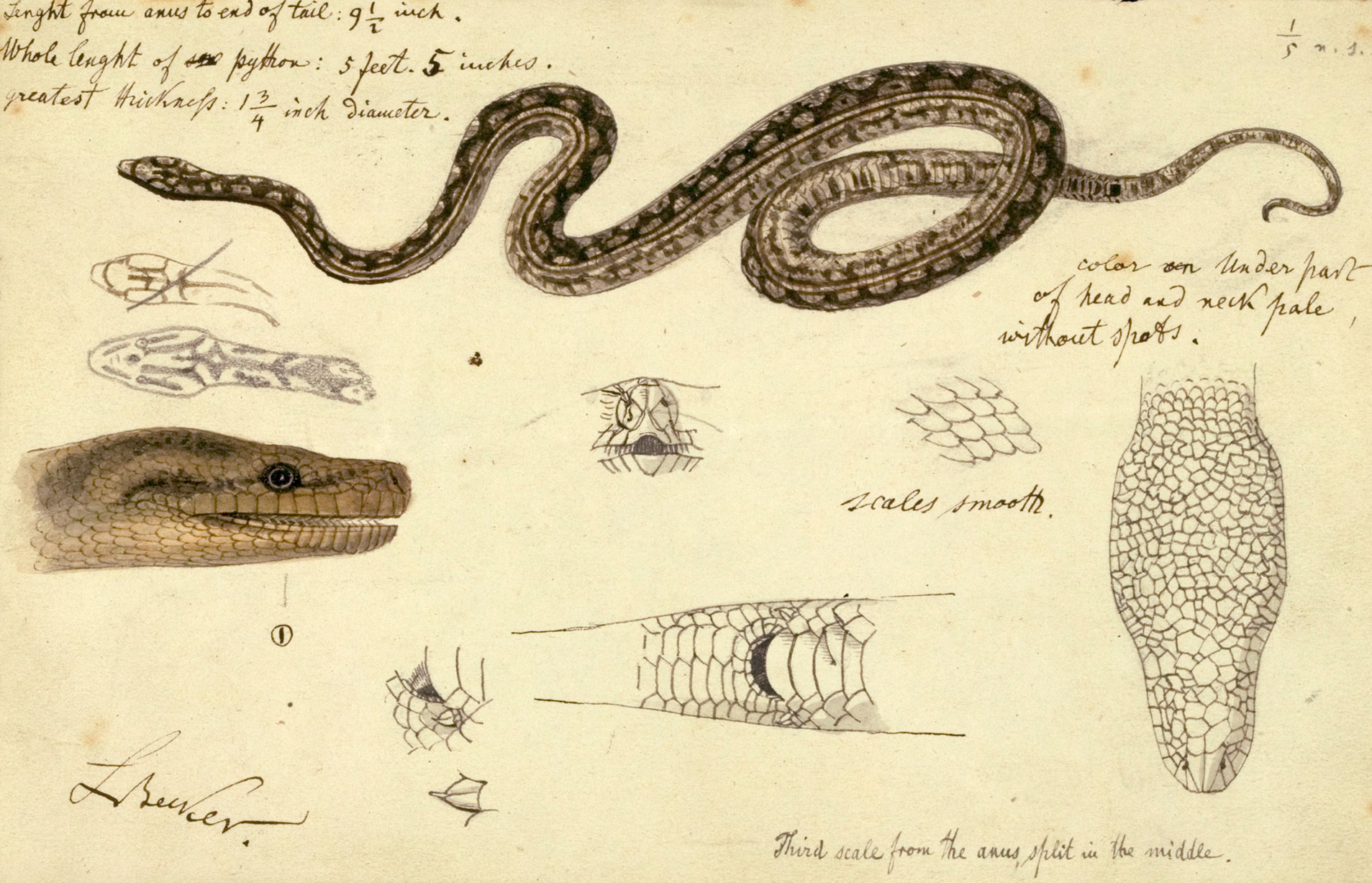
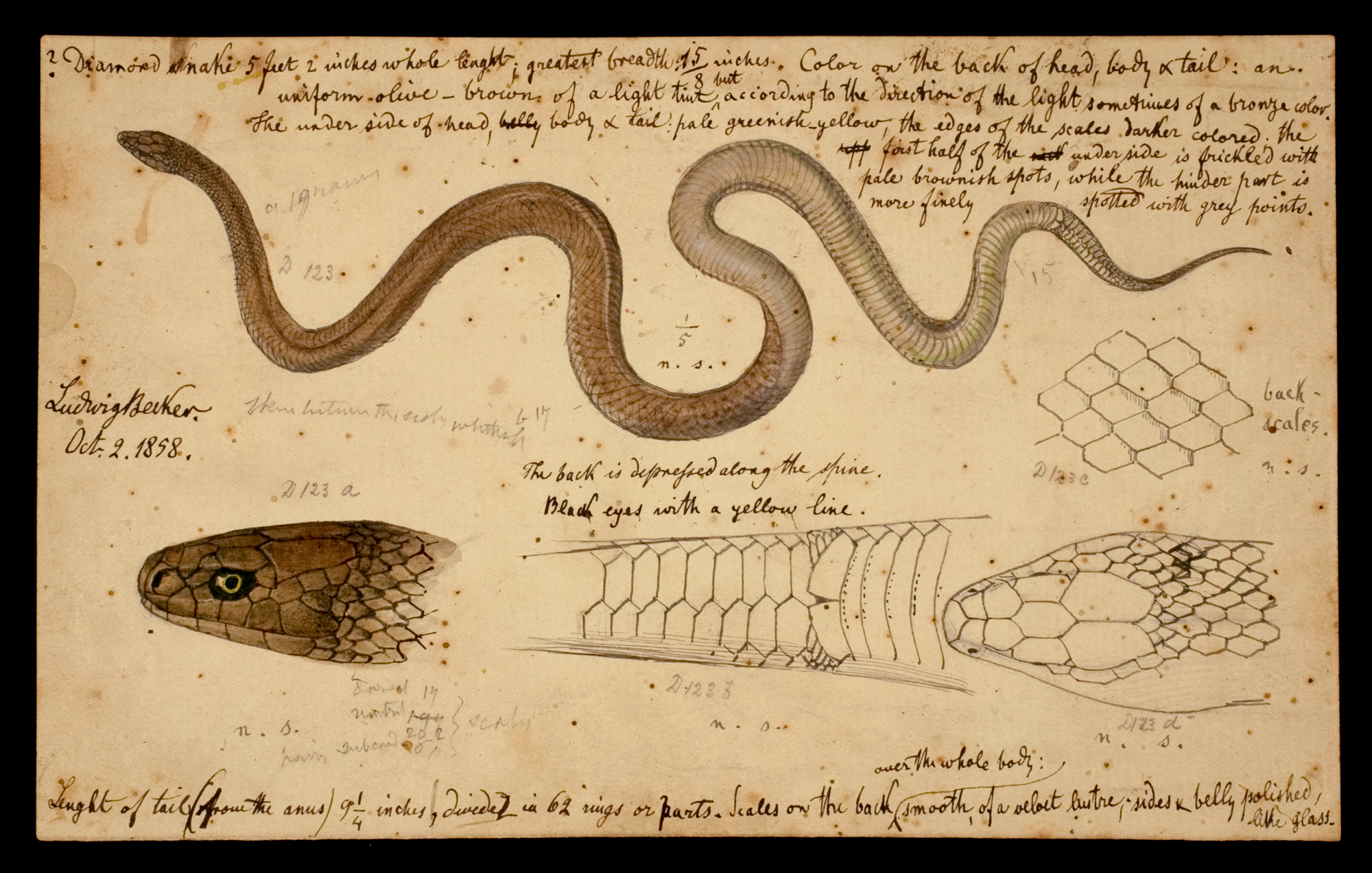
In the decades that followed he described a succession of animals that were delivered to his laboratory at the University of Melbourne. Cool scientific descriptions and precise taxonomic illustrations were embellished with flamboyant accounts that together comprised his massive publication, the Prodromus of the Zoology of Victoria.
McCoy's stories were intended for local consumption as well as an international audience of avid naturalists. He believed that colonial fishermen, foresters, horticulturalists and farmers needed an empirical account of those animals upon which industries might be based, along with those pests that could threaten their agricultural expansion. Occasionally, however, he did not let the truth get in the way of a good story.
The anecdotes recounted here are emblematic of the broader colonial experience. Oblivious to indigenous knowledge, Australian colonists sought to understand their adopted land in terms of the known landscape of the northern hemisphere, often failing to take into account the profound differences between the two. They are tales of inquisitive immigrants in an environment already undergoing profound change.