Before the popularisation of photography, artists were essential to science. They provided an empirical eye and the capacity to accurately record images of animals and plants, while emphasising their unique and diagnostic features.
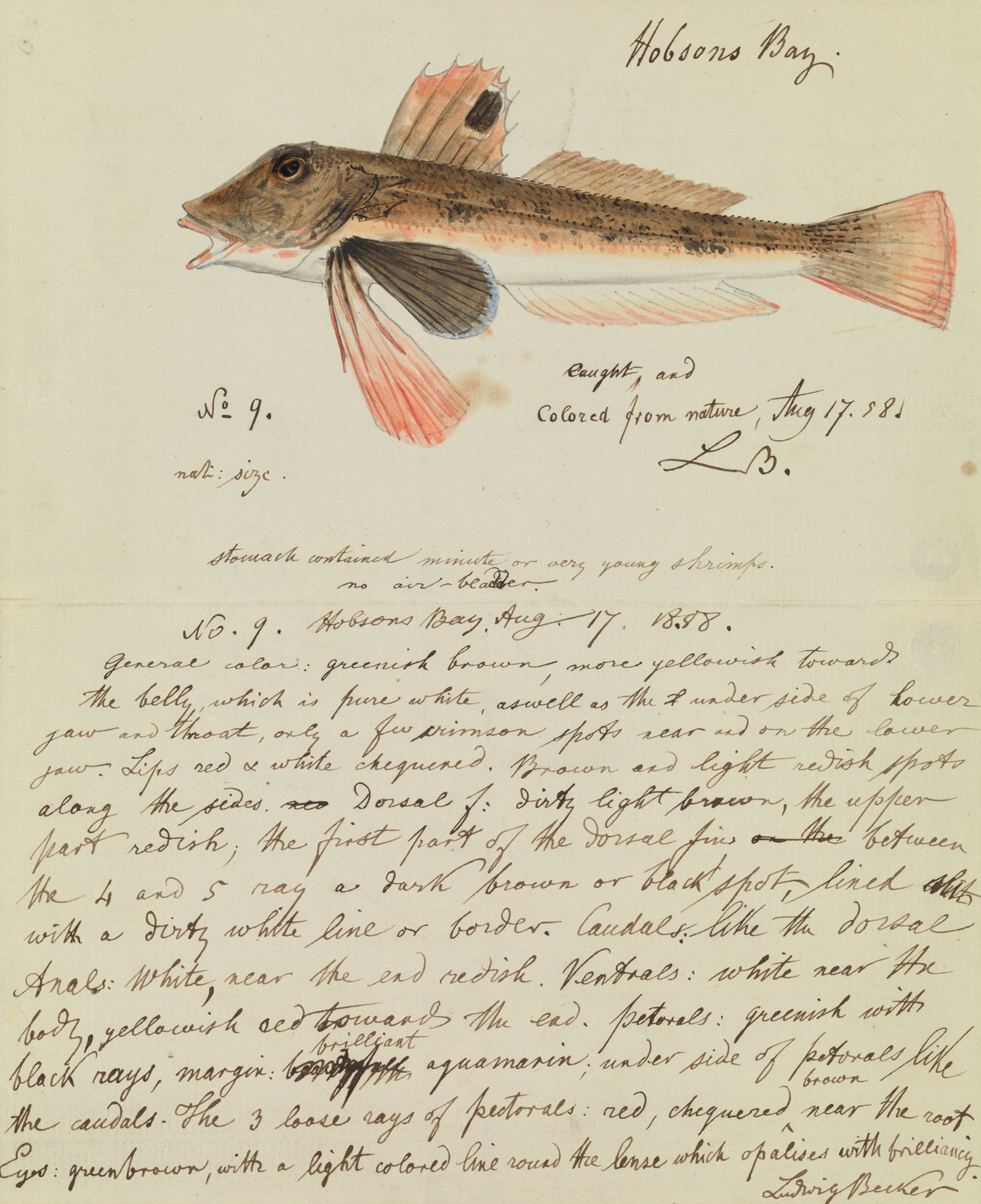
In a world where scientists were based in centres of learning across Europe (and to a lesser extent America), the capacity to publish findings was critical to the transfer of knowledge upon which distant peers could build.
Printing technologies developed apace with scientific ideas and the invention of lithography in the early 19th century enabled scientists to publish with increased economy and clarity. Across the globe professional scientists and enthusiastic naturalists were hungry for descriptions with images of new species.
As a result of the Victorian gold rush, Melbourne grew quickly into one of the world's great metropolitan centres, attracting enquiring minds from many disciplines, including geologists, astronomers, biologists and artists.
The laboratory attached to Professor McCoy's lecture room at the University of Melbourne became the centre of biological research in colonial Victoria. Specimens received from across the colony were identified and illustrated before being prepared for display at the adjacent National Museum.
It was here that Frederick McCoy hatched his ambitious plan to write, illustrate and publish the Zoology of Victoria.