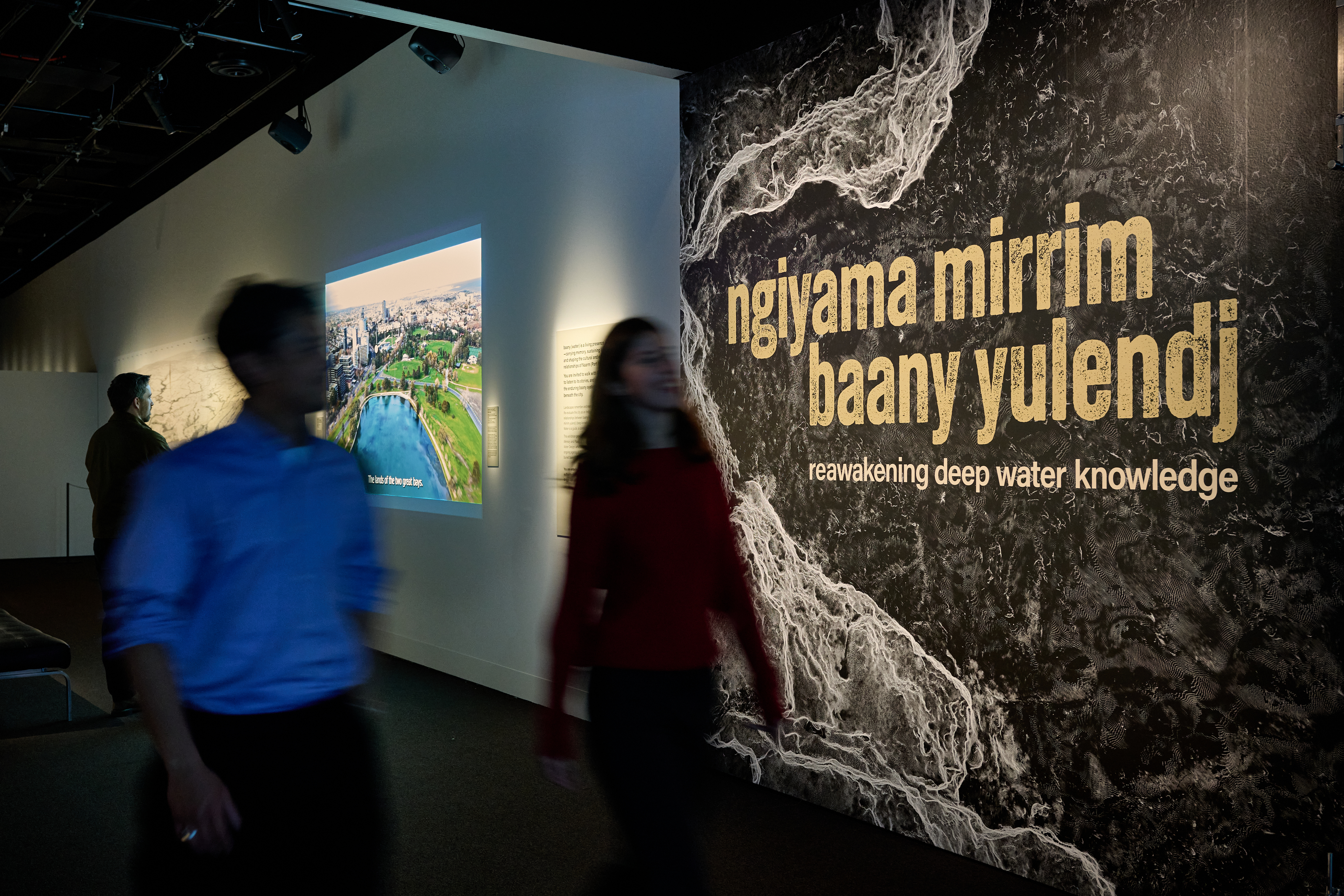
ngiyama mirrim baany yulendj | reawakening deep water knowledge
ngiyama mirrim baany yulendj brings together creative practice and Indigenous-led research to uncover the hidden waterways, memories and histories that continue to shape Boonwurrung Country beneath Melbourne’s modern urban landscape.
Water is a living presence – carrying memory, sustaining life, and shaping cultural and ecological relationships. This exhibition presents artworks and research that document memories within Indigenous place to reveal the ongoing agency of Country’s relationship with water.
Boonwurrung Country is the traditional lands of the Boonwurrung Peoples. It extends from the Werribee River down to Wilson's Promontory. Boonwurrung Country encompasses the sky above, the underground, and everything in between. The artworks and research within ngiyama mirrim baany yulendj focus on the waterways, wetlands, and coastal landscapes of the Cities of Port Phillip and Bayside within Boonwurrung Country.
Visitors are invited to explore the enduring water systems flowing beneath these now modernised, urban environments and their unseen histories. Boonwurrung Country and landscapes remember and memory can be repaired. Water is a guide, a connector, and a memory-holder to be accessed and revered. Visitors will experience:
- The importance of Boonwurrung knowledge and how memory can lead us into the future
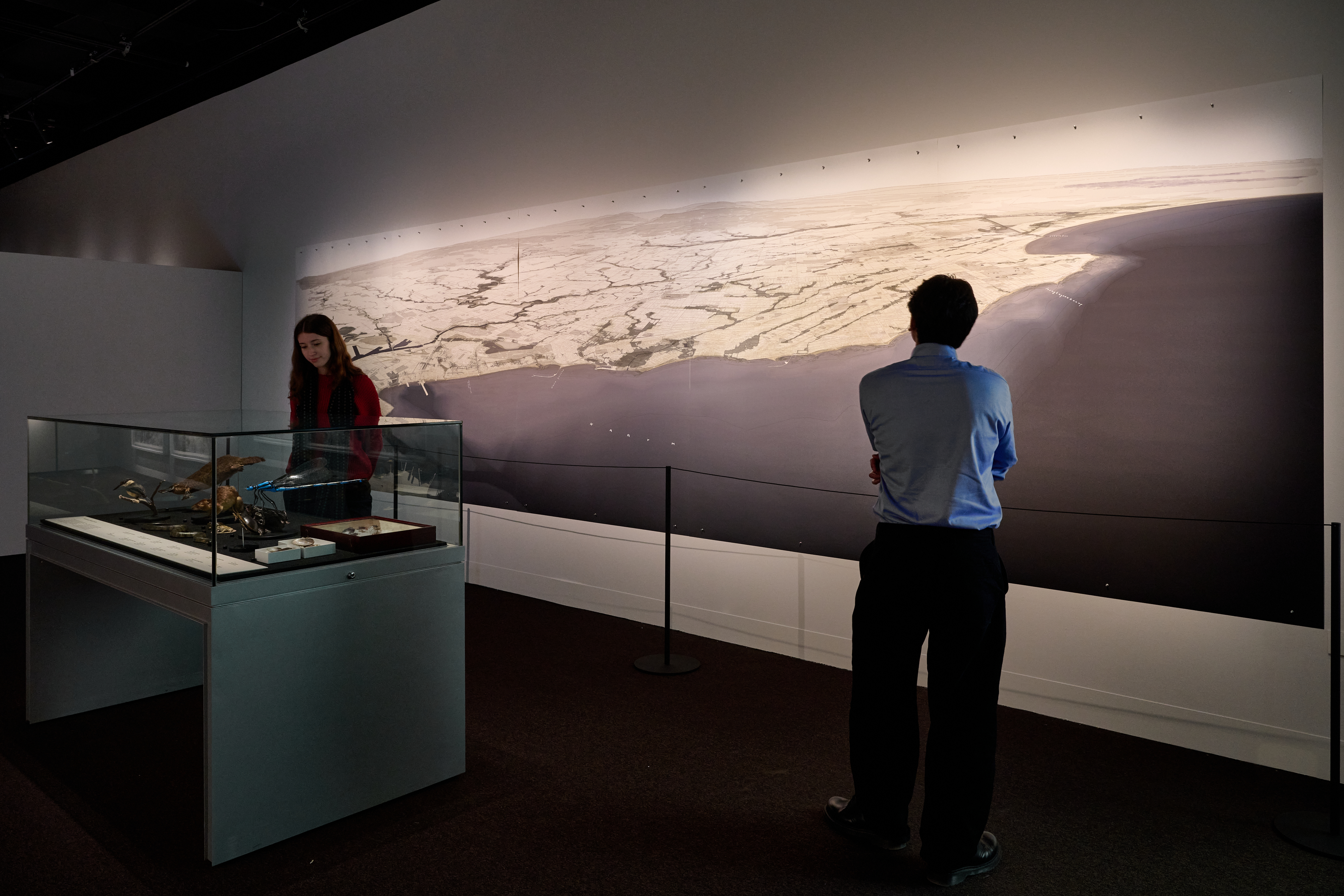
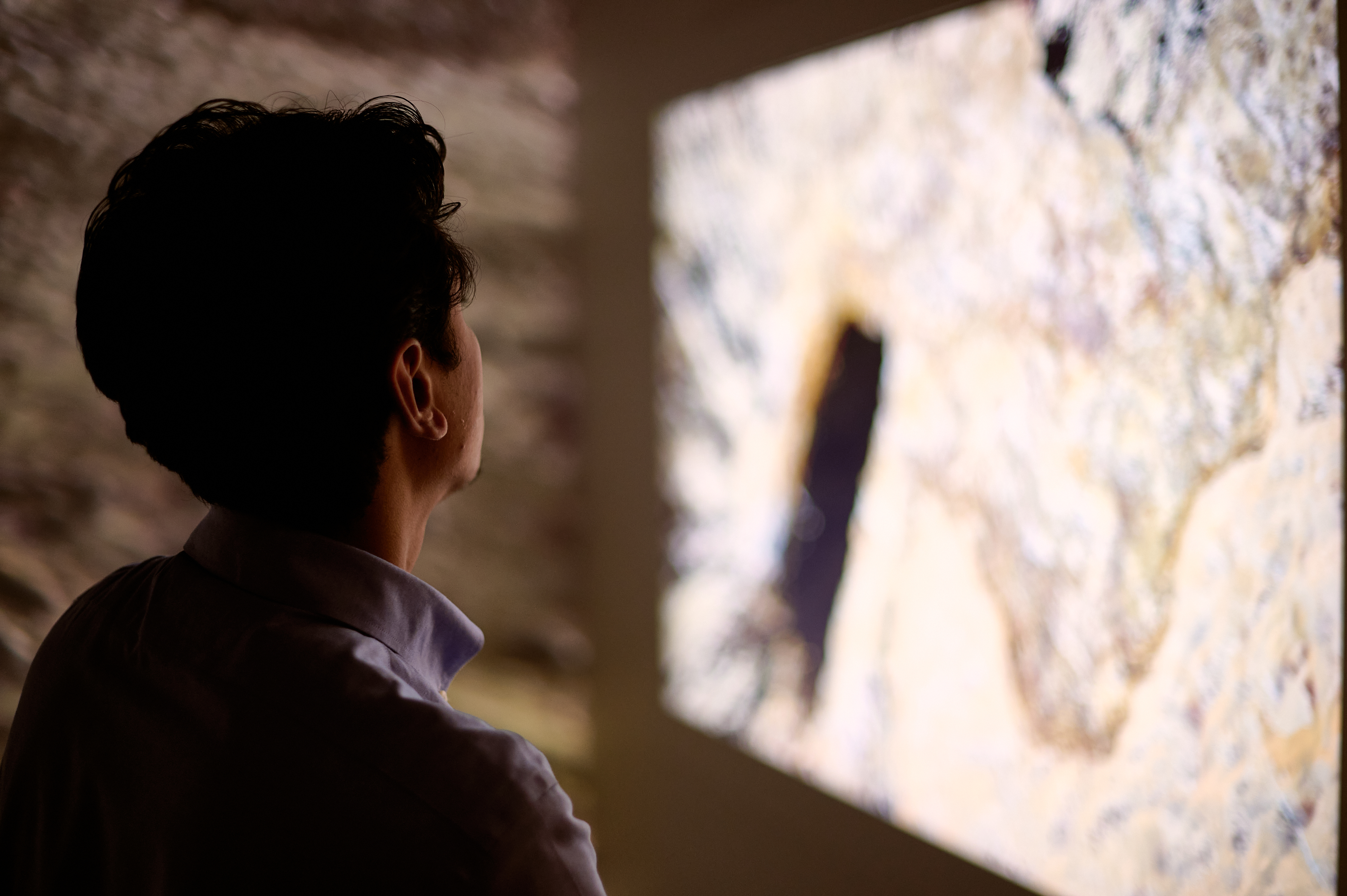
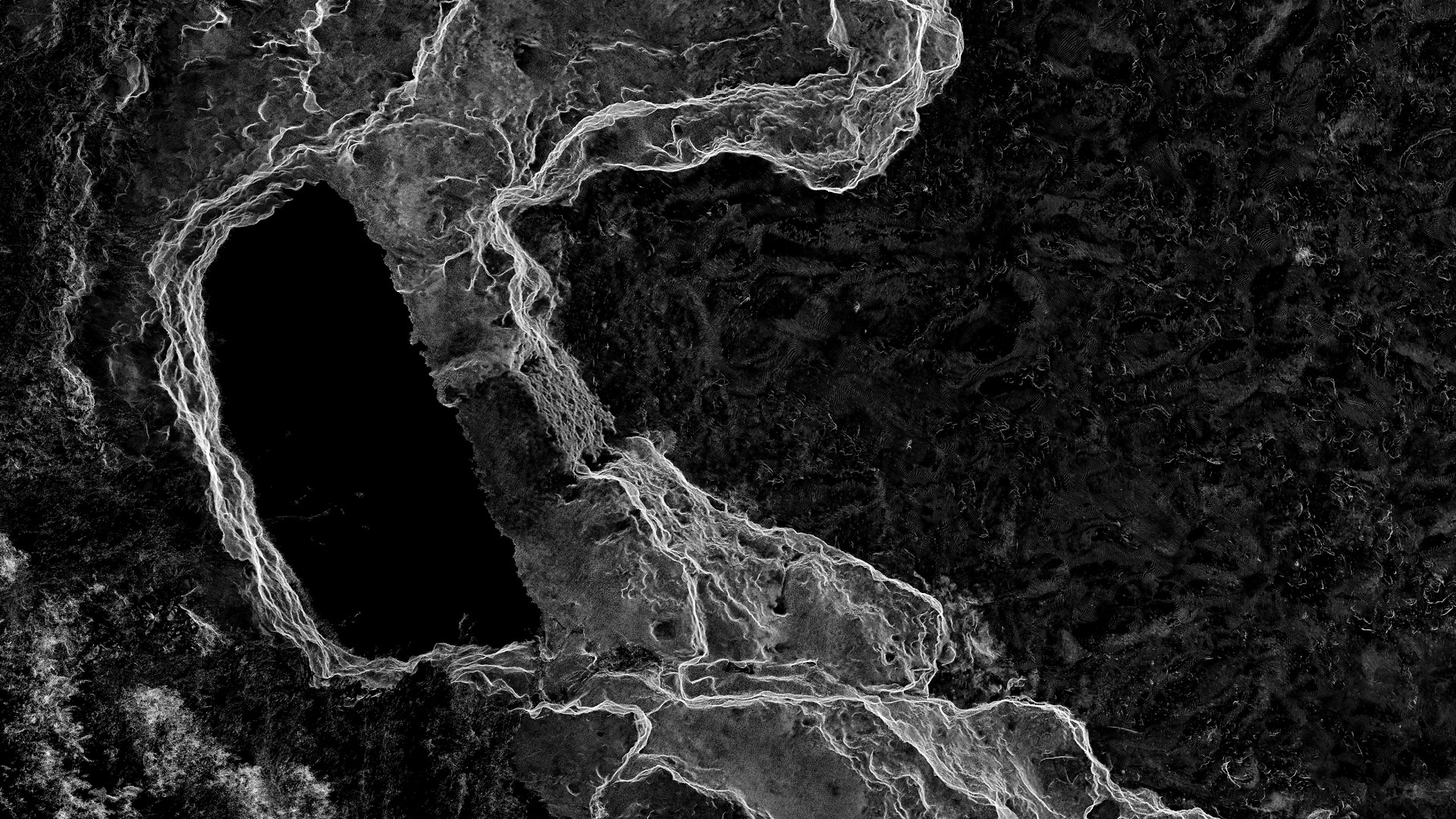
- Large scale immersive digital scan of ancient and dynamic coastal edge
- Interactive soundscapes from Boonwurrung Country
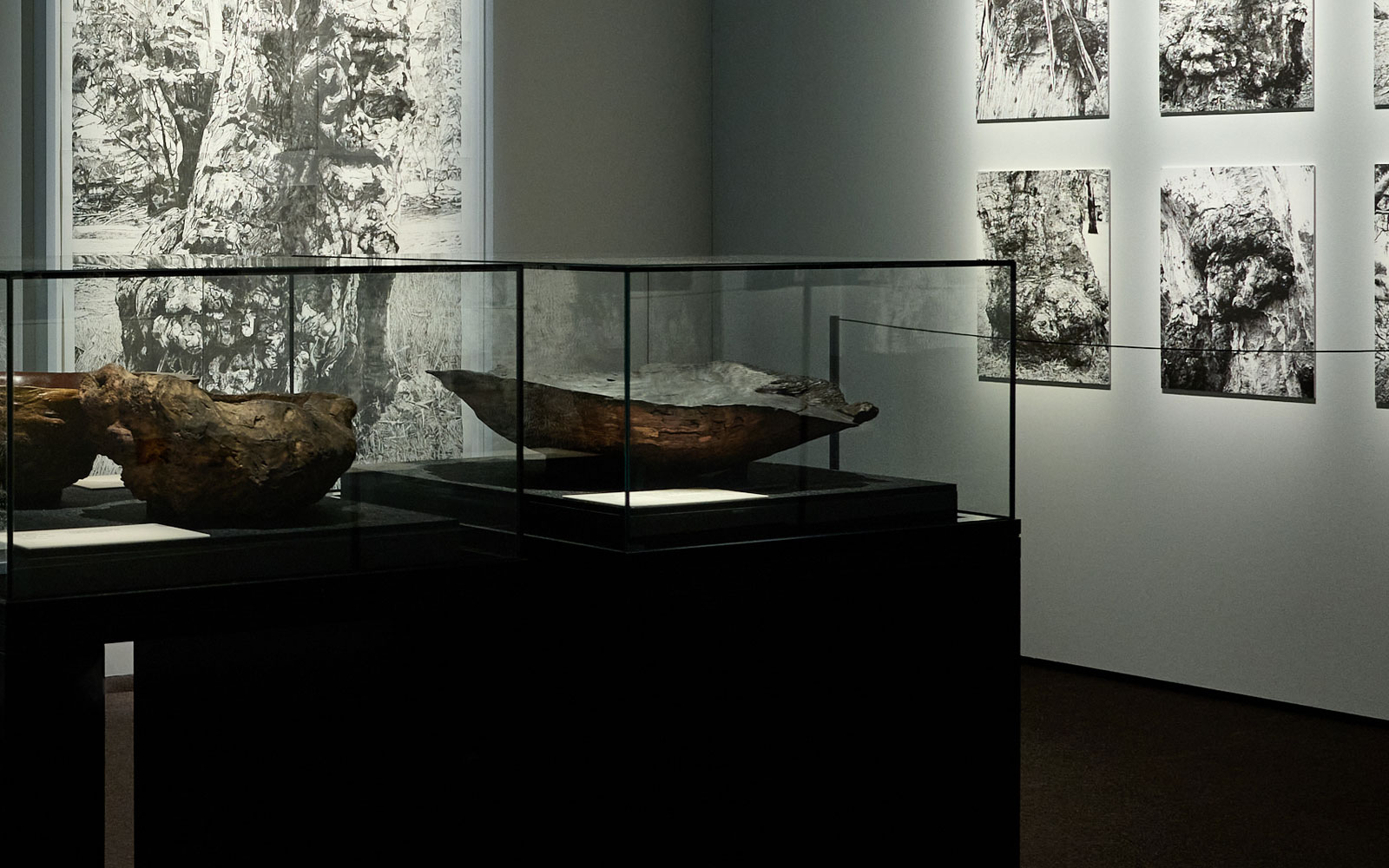
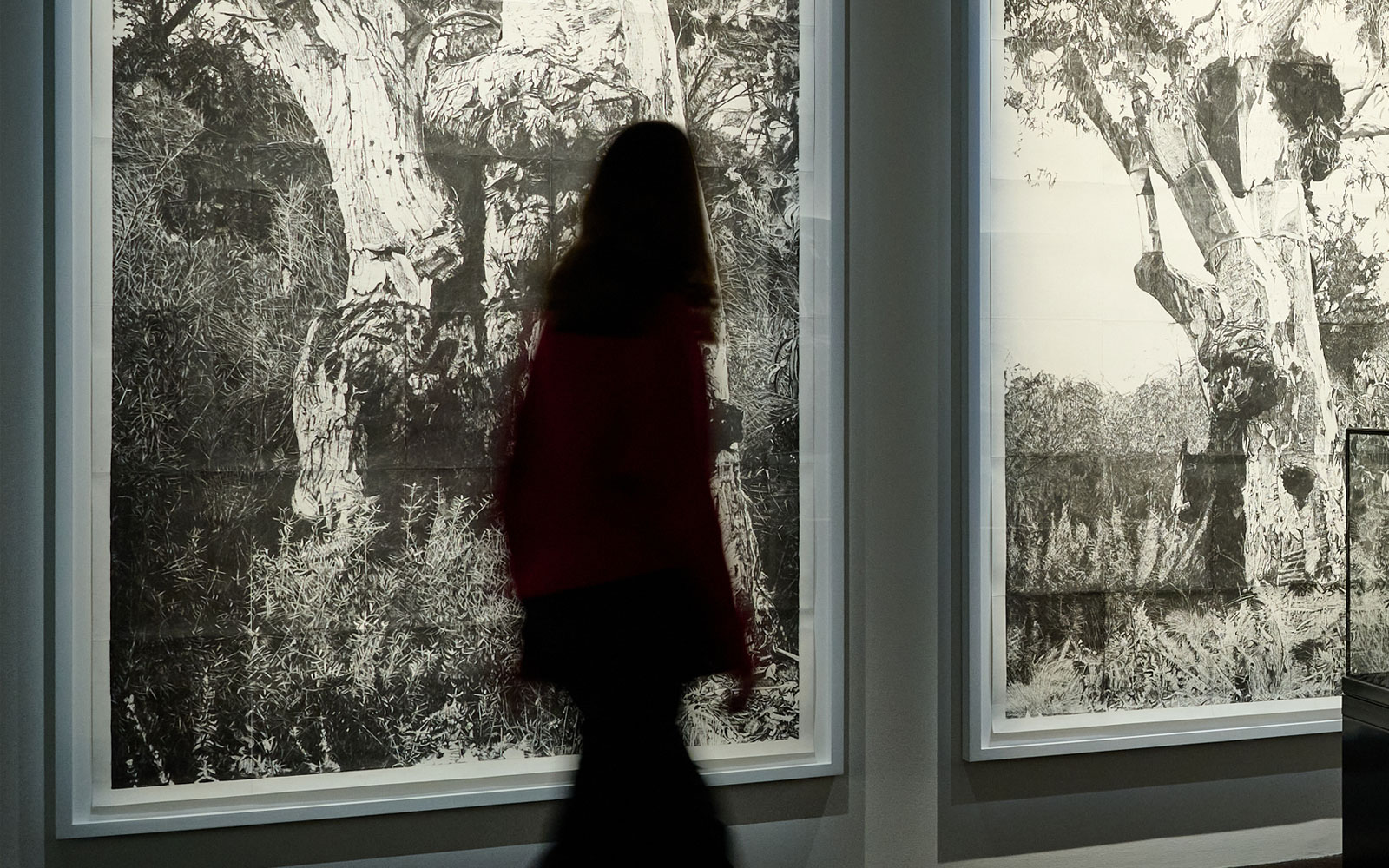
- Drawings showing the relationality between Country, trees, tranuks and water
- Vast maps revealing ancient waterways and wetlands
- Aerial mapping through drawing and drone technology
Acknowledgement
This exhibition grows from the research project, Repairing Memory and Place: An Indigenous-Led Approach to Urban Water Design, assembled by Faculty of Art, Design and Architecture at Monash University with support from the Australian Research Council (ARC) through its Linkage Grant Scheme, the City of Melbourne through the Annual Aboriginal Arts Grant, and the Faculty of Arts, Design and Architecture at the University of New South Wales (UNSW) through its Amplify Fund.


Tickets
Adult $18
Senior $12
Child 16 Years & Under Free
Members Free
Date & Time
Until Sunday 11 April 2027
Key information
Located in Bunjilaka Aboriginal Cultural Centre at the Melbourne Museum
BIOS
Boonwurrung Country is the traditional lands of the Boonwurrung Peoples. It extends from the Werribee River in the north-west, down to Wilson's Promontory in the south-east. Boonwurrung Country encompasses the sky above, the underground, the sea, the coast, the humans and more than humans, plants, animals, rocks and everything in between.
Professor N’arweet Carolyn Briggs AM is a senior Boonwurrung Elder and descendant of the the Yaluk-ut Weelam clan of the Boonwurrung from Melbourne, and great-granddaughter of Louisa Briggs. For over 50 years, she has developed and supported opportunities for Indigenous youth and Boonwurrung culture, and was awarded a Member of the Order of Australia in 2019 for significant service to the Indigenous community. She is the author of Journey Cycles of the Boon Wurrung (2008, 2014), Professor in the Wominjeka Djeembana Indigenous research lab at Monash Art, Design and Architecture. Professor N’arweet Carolyn Briggs is the cultural lead of this project.
Dr Rhys Coleman is the Waterways and Wetlands Research Manager at Melbourne Water where he has worked for the past 30 years. Early roles involved the coordination of waterways environmental monitoring and investigations programs for the Greater Melbourne area, as well as the development and implementation of river health management strategies and plans. His current role involves the facilitation of major waterways research programs, including the Melbourne Waterway Research-Practice Partnership with The University of Melbourne and the Aquatic Pollution Prevention Partnership (A3P) with RMIT University.
Gio Fitzpatrick is an award-winning Melbourne-based urban ecologist, naturalist, and conservationist renowned for his hands-on approach to re-wilding urban landscapes and restoring native habitats.
Dr Chuan Khoo (PhD Design RMIT, MFA RISD) is a transdisciplinary artist, designer, and educator exploring the intersection of tangible interaction and technology. His practice is driven by “slow data”—designing reflective interventions that reframe our relationships with digital media. Using bespoke electronics, code, and traditional media, he creates hybrid objects and installations that critique technological utopias through a calm, tactile aesthetic. Chuan’s work has been exhibited internationally across Australia, Singapore, the UK, and the US. His portfolio includes a significant public art commission for the City of Casey and experimental work with the City of Melbourne. Chuan is the founder of Slow Things, a studio practice dedicated to the creation of contemplative, interactive, and tangible works.
Dr Laura Harper is a practising architect and senior lecturer in Architecture, whose research studies material and construction through their connection to wider processes, structures and histories of the built and natural worlds. She completed her PhD, The Urbanism of Material, at Monash University in 2018, and is part of the Monash Urban Lab, where her research focuses on material narratives connected to place. Laura has over twenty years' practice experience in Europe and Australia and currently practices in collaboration with Roland Snooks, exploring new material processes linked to place.
Dr Jordan Lacey is a senior lecturer in RMIT University's Master of Design Innovation and Technology (MDIT) program, specialising in creative research, soundscape design and applied philosophy. A former Australian Research Council (DECRA) Fellow, he is author of three monographs, Sonic Rupture (2016), Urban Roar (2022), and Ritualizing Sound (2026). He has created numerous public sound art installations, including RMIT's Sonic Gathering Place, a world-first biophilic soundscape installation. Jordan is associate editor for the Journal of Sonic Studies and performs regularly as a musician. His website can be found at jordan-lacey.com
Dr Ana Cristina Lara Heyns is an environmental anthropologist, researcher and co-founder of APR Collective. Her work explores how relationships with water can be reimagined through Indigenous-led approaches to care, governance and place. Working across research, policy and creative practice, she collaborates with Traditional Owners, artists, communities and government to reconnect ecological, cultural and social understandings of waterways. Her practice spans digital storytelling, participatory design and policy, examining how memory, Country and more-than-human relationships can shape regenerative futures. She contributed to Repairing Memory and Place as a Research Fellow with the Wominjeka Djeembana Indigenous Research Lab at Monash University. Ana is currently a Research Fellow at La Trobe University's Climate Change Adaptation Lab and a Senior Policy Officer in the Urban Waterways team at the Victorian Department of Energy, Environment and Climate Action (DEECA), where she works on innovative approaches to water governance.
Professor Brian Martin, Bundjalung, Kamilaroi and Muruwari, is Director of the Wominjeka Djeembana Indigenous research lab at Monash Art, Design and Architecture, and was the faculty's inaugural Associate Dean Indigenous. He leads research projects funded by the ARC, Creative Victoria, Creative Australia and Eucalypt Australia, among others. A practising artist for thirty years, Brian is represented by William Mora Galleries and exhibits nationally and internationally in painting and drawing, with a practice grounded in Indigenous relationships to Country. His publication history has investigated the relationship of materialism in the arts to an Indigenous worldview and Aboriginal knowledge framework and epistemology.
Miller Medina | Launch Photography Miller Medina is the CEO and Chief Remote Pilot Officer of Launch Photography, a company he founded over three years ago. His early work included providing videography and photography services for project managers, helping enhance their marketing efforts while offering an aerial perspective of the land and developments they were working on. Alongside his work in photography and aerial media, Miller has built a career supporting elderly and disabled individuals, an experience that has further shaped his perspective and connection to the communities he serves.
Associate Professor Marilu Melo Zurita is a human geographer in the Environment and Society Group at UNSW Sydney, and a co-investigator on the Repairing Memory and Place project. Her work follows the underground as a space that is imagined, inhabited and remade, asking how the waters, materials and knowledges beneath cities shape life on the surface. She writes on the politics of tunnelling and how subsurface space is planned and valued, work that included the recently completed Swedish project UNDER on underground urbanism. Alongside this, she researches groundwater, from the recharge of aquifers through rainfall to the ways people come to know and care for waters that are not seen on the surface. Working between social science, urban planning and creative practice, she collaborates across disciplines and contexts to bring the underground into public view.
Associate Professor Catherine Murphy is Course Director of the Master of Urban Planning and Design in the Department of Architecture at Monash University and an investigator on the Repairing Memory and Place project. A lead researcher in the Monash Urban Lab, she collaborates on projects, exhibitions and publications that focus on the regeneration of cities and regions through integrated planning and design methods. She was a researcher with the CRC for Water Sensitive Cities, and her recent research includes studies of the adaptive reuse of dwellings in suburbs in Australian cities, with a focus on housing diversity, urban densification and greening outcomes.
Rutger Pasman is an urban designer, researcher, and educator who regularly contributes to research projects in the Monash Urban Lab, where he produces complex, multi‑scalar territorial drawings that reveal layered spatial systems. He has worked in leading international design practices and universities, and is the founder of CHORDstudio (2008) and Spatial Investigators (2018). Since 2009, he has taught Master of Architecture design and thesis studios at the University of Melbourne, RMIT, Monash University, Deakin University, and most recently Swinburne.
Jules Rutten is a landscape architect and mechanical engineer whose work explores the relationships between culture, nature and technology. His research investigates ecological challenges in cities and other disturbed environments, with particular attention to how plants shape and sustain the worlds around them. He translates insights from ecology into digital design practices that combine three-dimensional scanning, computational modelling, artificial intelligence and algorithmic design. By bringing ecological knowledge together with emerging imaging technologies, Julian seeks new ways to perceive, understand and design complex environments and imagine a more abundant and flourishing future. He participates in the Deep Design Lab at the University of Melbourne and contributes to research projects at Monash University and Swinburne University.
David Tournier is a Boonwurrung cultural advisor and practitioner. He was born on Wemba Wemba Country and raised surrounded by strong cultural influences and traditions. Passionate about promoting and preserving his heritage, the sharing of his knowledge and practising culture, David consults and collaborates with archaeologists, schools and universities, environmental and government agencies and local councils, and advises on the management of tangible and intangible Aboriginal cultural heritage. He is a current board member of the Wathaurong Aboriginal Co-operative.
Gallery
ACCESSIBILITY
Please view our accessibility page for general information. A sensory map of Melbourne Museum can be found on our Visual Stories page where step-by-step visual and written access guides are available. Contact our team on 13 11 02 or email us at [email protected] to discuss how we can support your visit.