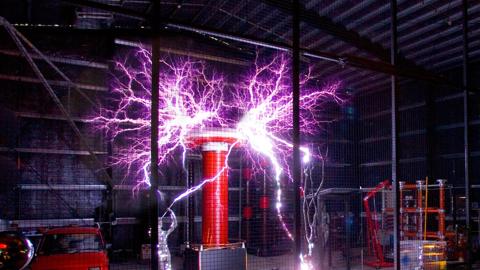
Students undertaking the VCE VET Integrated Technologies program work with a range of electronic systems and components, including programmable logic devices, computer networks, sustainable energy devices, robots, 3D printers and rechargeable battery banks.
The selected works demonstrate a range of capabilities, including originality, creativity and the ability to refine ideas with a specific audience in mind.
Oliver Borg
Red Rock Christian College, Sunbury/Northern College of the Arts and Technology, Preston
Wurundjeri Woi Wurrung Country
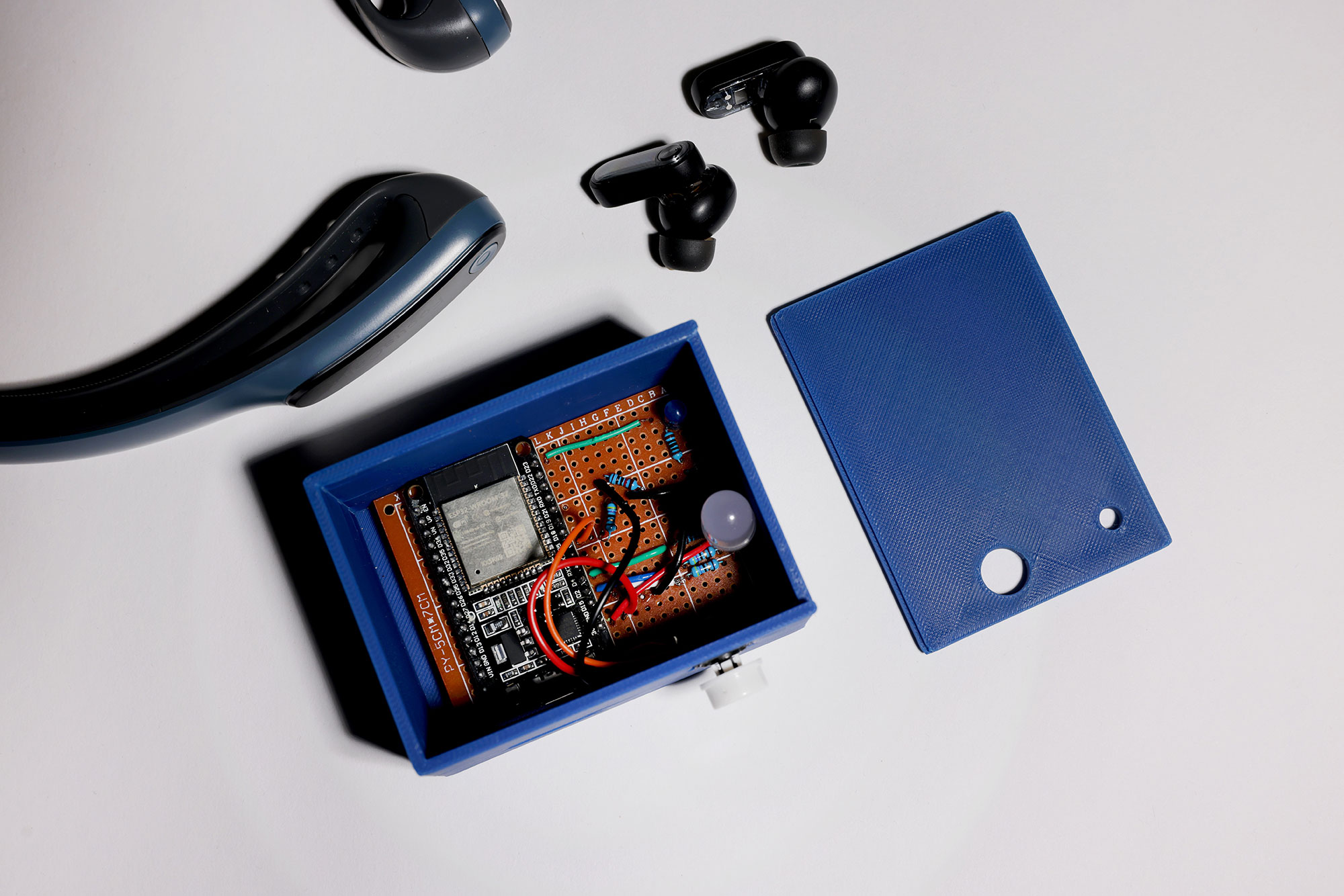
NeuroTeach System
ESP32 Microcontroller, brain-computer interface (BCI) headband, NUC computer, Bluetooth earbuds, 3D-printed components, electrical components
This system provides tutors and teachers with real-time tactile feedback on student attention by using a brain-computer interface (BCI) headband. The detected brainwaves are used to determine if a student is disengaged or overloaded, signalling uniquely to the tutor/teacher (through Bluetooth earbuds) to adapt the workload accordingly. This project aims to inspire and help teachers/tutors to more effectively teach and to demonstrate the emerging BCI technology.
Unit of Competency
VU23113 Carry out an integrated technologies project
Juan Sebastian Espinosa Lancheros
Coburg High School, Coburg/Northern College of the Arts and Technology, Preston
Wurundjeri Woi Wurrung Country
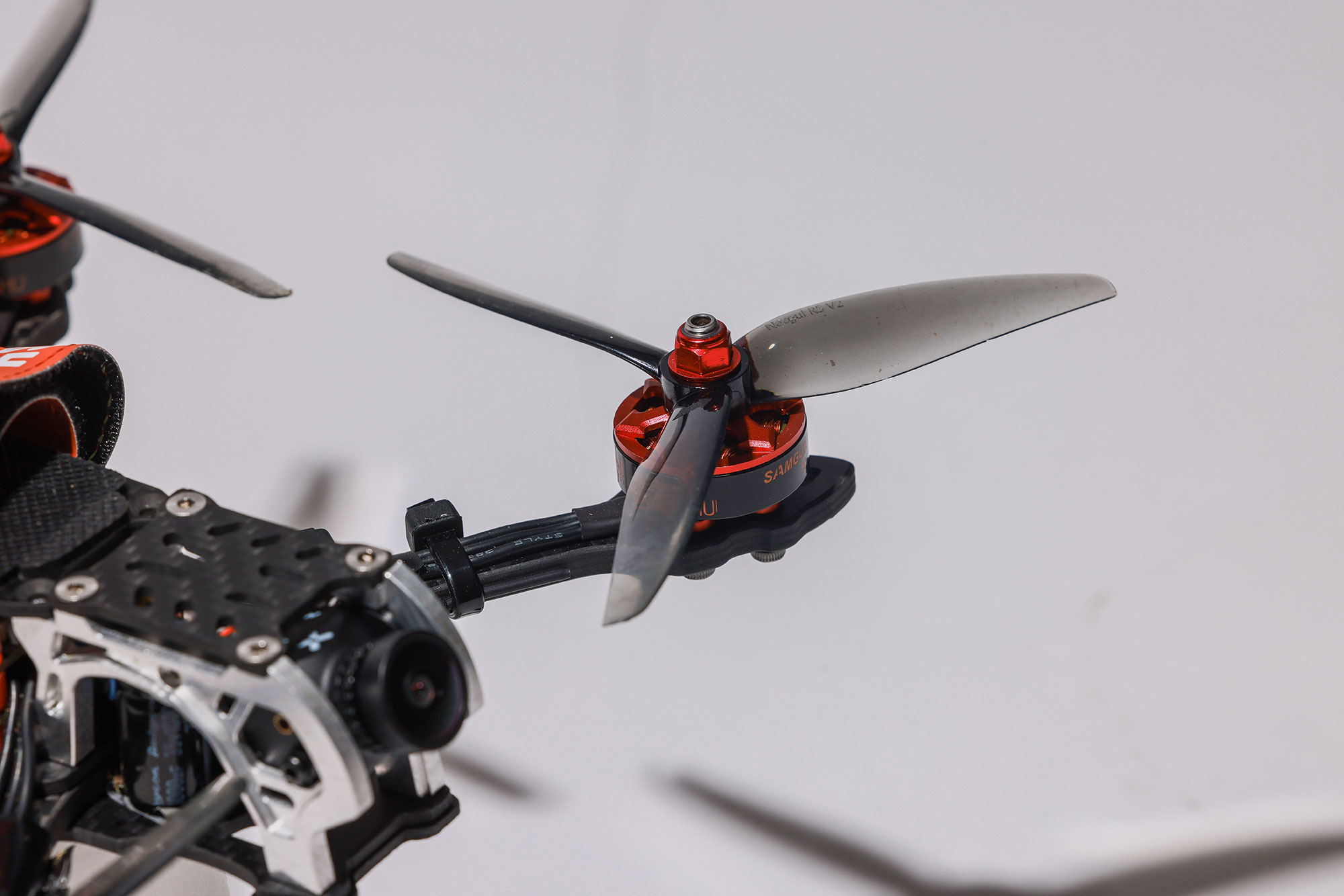
Dronor the customisable FPV racing drone
5-inch carbon fibre frame, F722 FC, ExpressLRS receiver, 6S LiPo battery, 60A Electronic Speed Controller (ESC)
This project is the successful design and configuration of a highly customisable, powerful 5-inch FPV racing drone. Built with a robust carbon frame, the F722 FC, 60A ESC and 6S LiPo power the system, which is programmed via ExpressLRS for swift and reliable flight. The core objective was to demonstrate Integrated Technologies through its customisable architecture, allowing seamless future hardware additions, such as lights and servos for a personalised, FPV experience.
Unit of Competency
VU23113 Carry out an integrated technologies project
Alexander Spilman
Diamond Valley College, Coburg/Northern College of the Arts and Technology, Preston
Wurundjeri Woi Wurrung Country
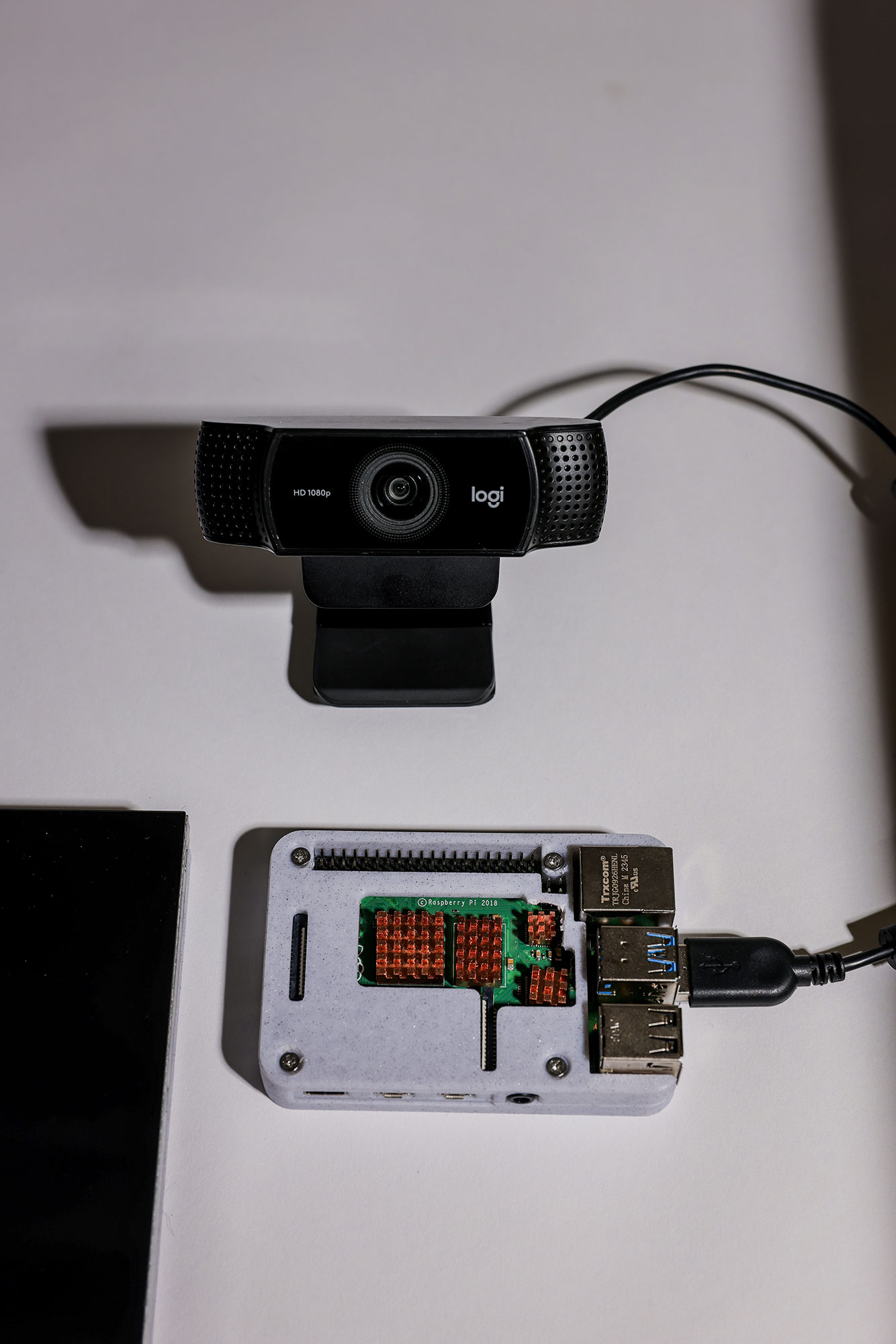
Project Sentry
Raspberry Pi 4b 8gb, USB Webcam, copper heatsinks, Raspberry Pi housing, external monitor
My project uses AI object detection through the use of an open-source software called FrigateNVR. When an object or motion is detected, the Raspberry Pi automatically starts recording and alerts the user’s mobile device so that they can check for themselves through the use of the mobile app. The project aims to achieve all the benefits of using a high-cost home security system while also being affordable for everyone wanting peace of mind that they are safe.
Unit of Competency
VU23113 Carry out an integrated technologies project
Robin Xiong
Viewbank College, Viewbank/Northern College of the Arts and Technology, Preston
Wurundjeri Woi Wurrung Country
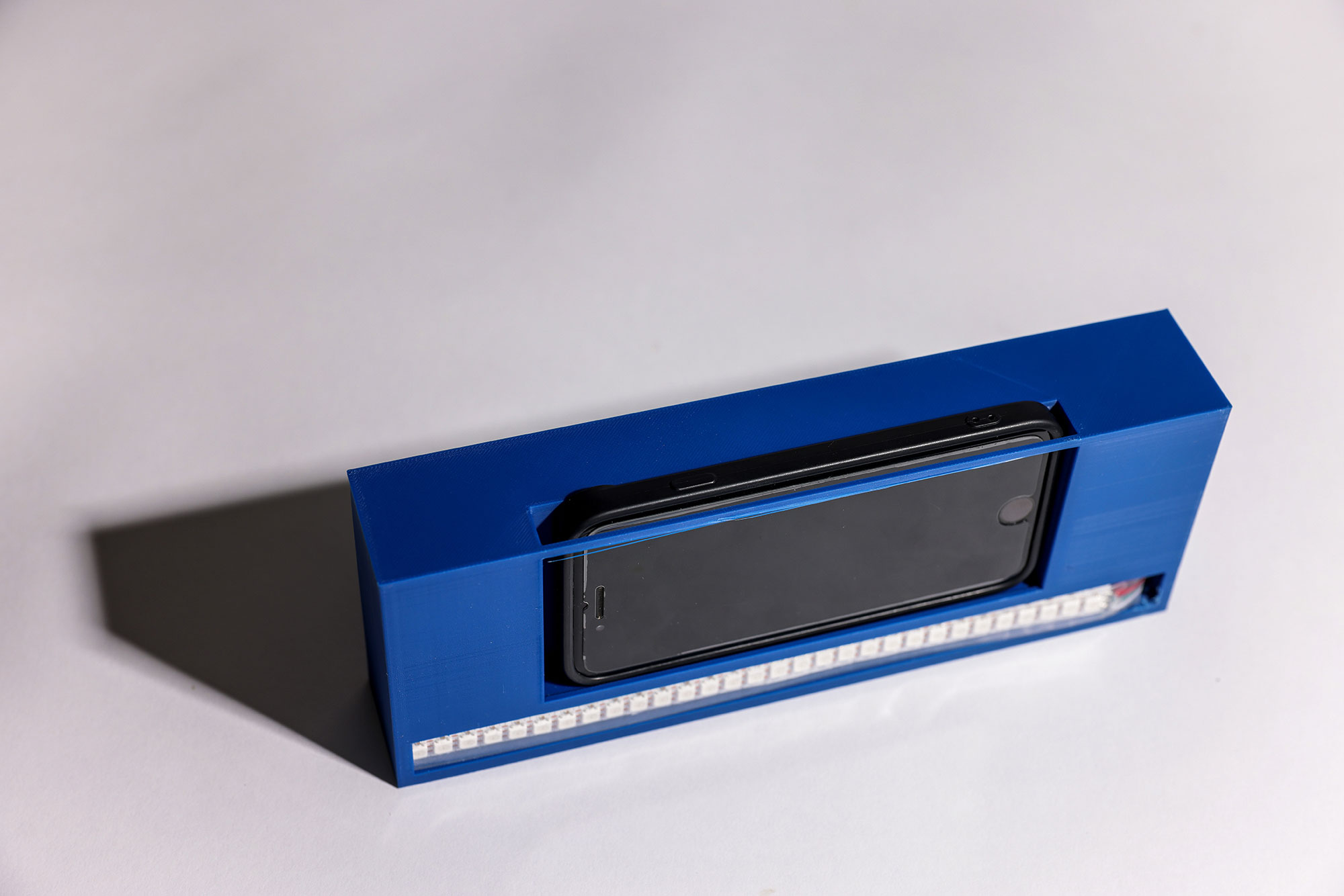
The Bio-Rhythm Visualiser
Apple Watch biometric sensors, Raspberry Pi 3B, WS2812B Neopixel LED strip, portable exercise caddy/phone stand, electrical components, 3D-printed/laser-cut housing
My project turns real-time biometric data into a visual guide for exercise. An Apple Watch sends heart rate, blood pressure and body temperature to a mobile phone, which forwards the data to a Raspberry Pi driving a high-density NeoPixel LED strip on a portable exercise caddy. Set on the gym floor, the shifting light patterns give instant feedback, helping users optimise intensity, stay safe, and understand their body’s responses, thereby creating more intuitive fitness experiences for a wide range of users.
Unit of Competency
VU23113 Carry out an integrated technologies project