Once you have an object to investigate, it's time to begin your research.
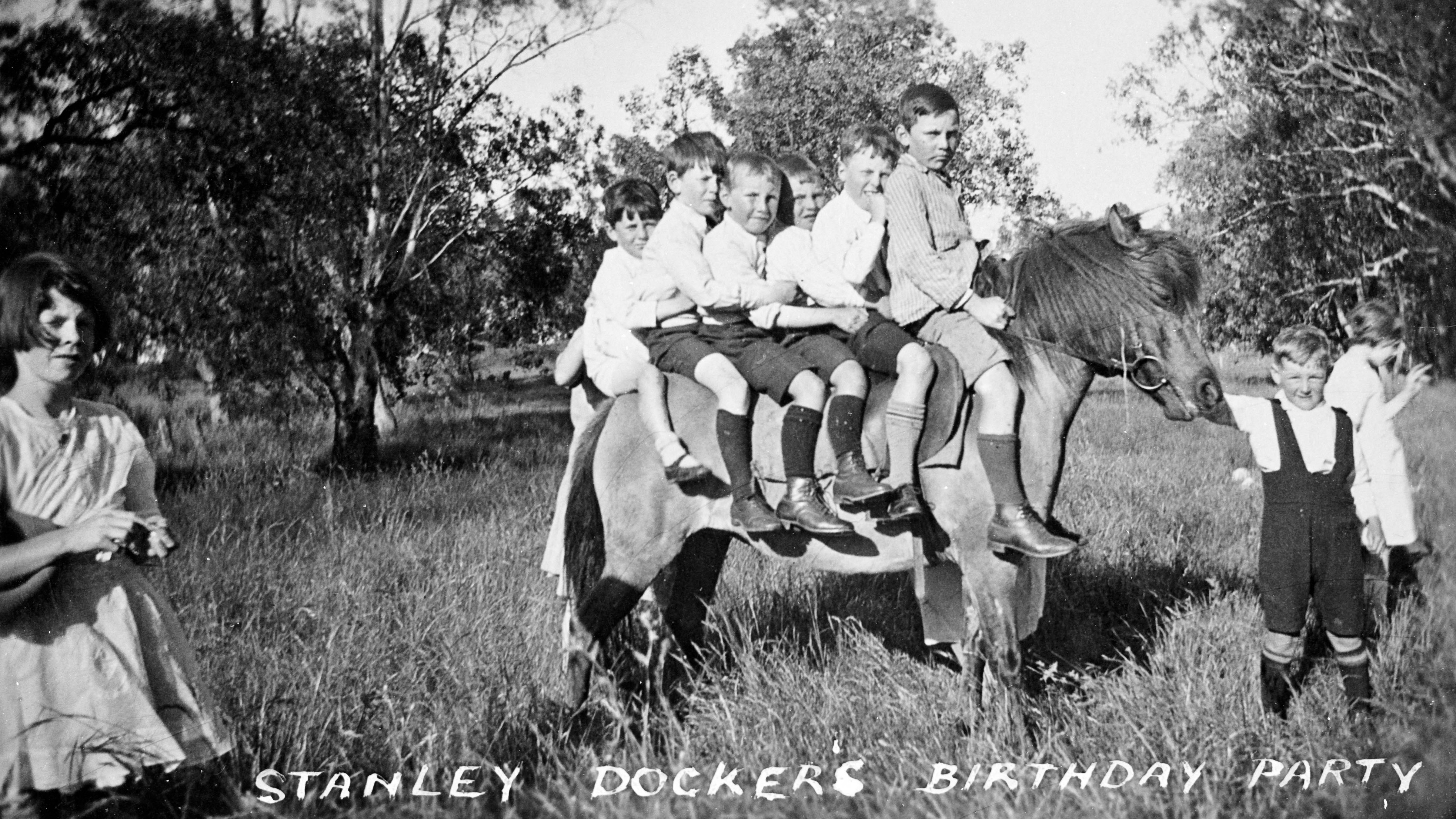
A good starting point is to research the period of history with which your object connects. Creating a timeline will help you to document key events. What was happening in the world at that time? What was happening in the family or community where your item was held?
When you have a good understanding of the period of time you are studying, think about what else you want to research.
Make a list
It can be helpful to create a list of questions to guide your research. For example, if you are creating a migration story, you might ask:
- Did many people come to Australia during this period?
- Where did they come from?
- Why did they come?
- What did they do when they arrived?
- Are there any links to your object's story?
- What was it like to come to a new country?
Where to research
As you begin finding the answers to these questions you may want to try finding more information by approaching:
- The people associated with your object with, especially the owner and their family
- Your school or local library
- The Internet
- Your teacher
- Your family
- Your friends and neighbours
- Someone of a similar age to the person who owns the object
- Someone of a similar age to the object
- Someone from the place your object is linked to
Useful links
Museums Victoria may be able to help you with general research questions and the identification of manufactured or handcrafted objects.