Get started on the path to creating your family or community history project.
Stories from the past
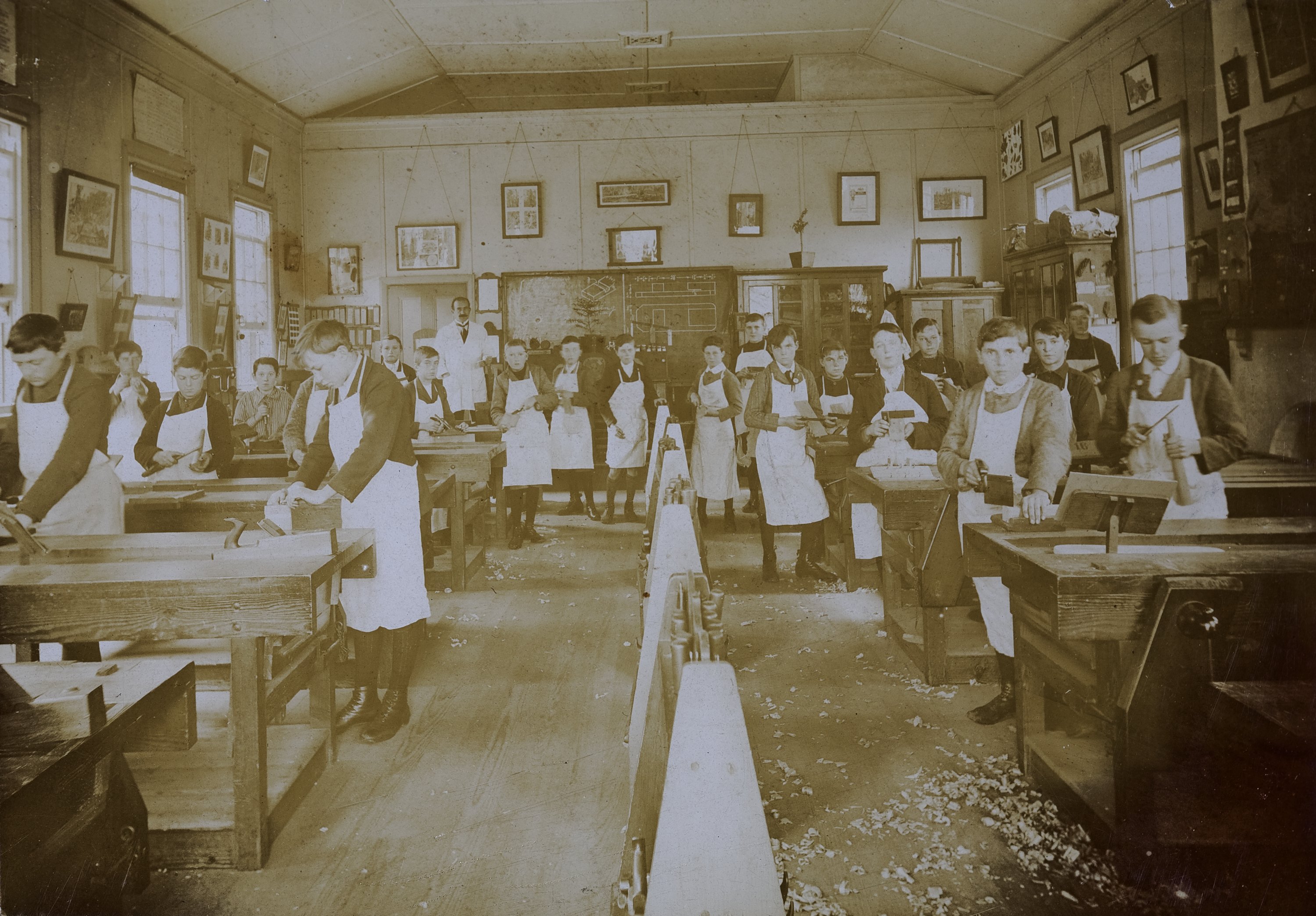
Primary sources are first hand accounts of an event or time period, from people with a direct connection to it. Historians can draw on a range of primary source materials such as: oral histories, documents, objects, artworks, photographs, film or video and archaeological findings.
Historians interpret these primary source materials to construct a story using a range of perspectives and information, including secondary source materials from other historical accounts.
Activities
The following activities can provide a useful introduction to understanding how historians construct stories about the past:
Orientation activity 1: Object
Select an object that means something to you, and describe it to a group. Construct a story that explains the significance of the object to your life story or family history.
As a group discuss the process you used in constructing this story.
Orientation activity 2: Guest speaker
Invite a guest speaker to bring in an important object and tell its story. Ask questions about the object and the owner.
Tip: for class groups, a 'twenty questions' approach where students are given hints and attempt to guess what the object is could precede the story telling).
Orientation activity 3: Site visit
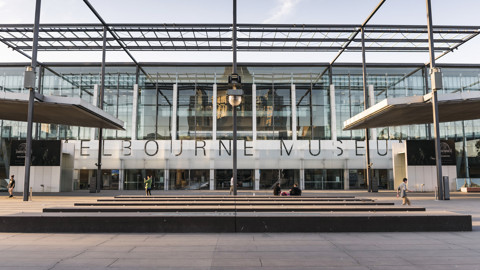
Visit a local museum, perhaps the Immigration Museum or Melbourne Museum, to see how historical stories are constructed using primary and secondary sources.
Personal and family histories
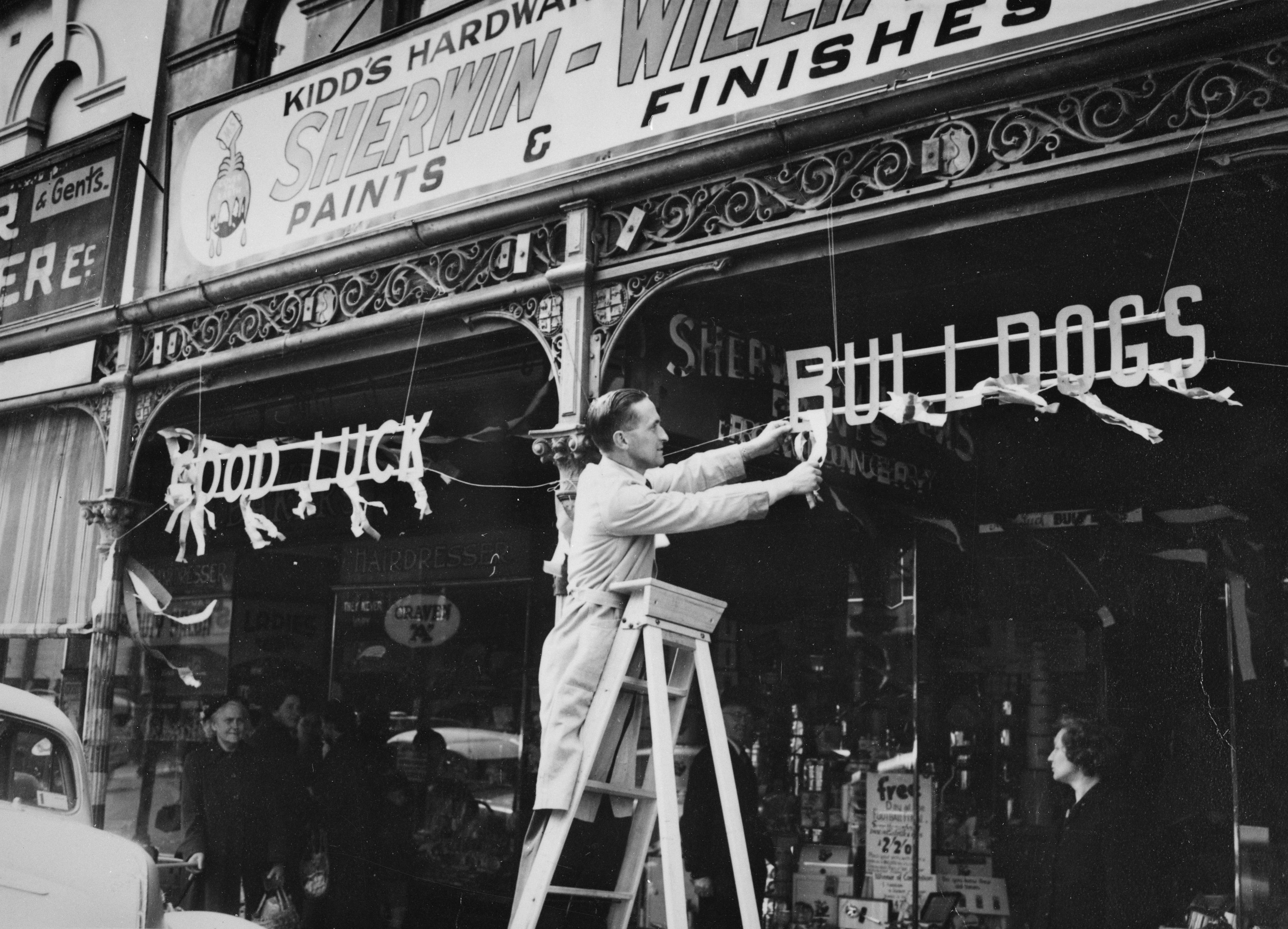
Next, begin to find out about your family history by answering the following questions:
- Has your family researched your family tree?
- How far back can you trace your family history?
- Is your family history a story of immigration?
- If yes, when did your family come to Australia?
- Where did they come from?
- Do you have anything from that country?
- Do you still have anything they brought with them?
- Does anyone else in your family have anything you could look at?
- Does your family history in Australia predate European invasion/settlement? If yes, how is that history recorded or documented?
- Are there any objects, photos, documents or stories in your family that reflect that history?
- What sorts of primary sources would you need to tell that story?
Community history
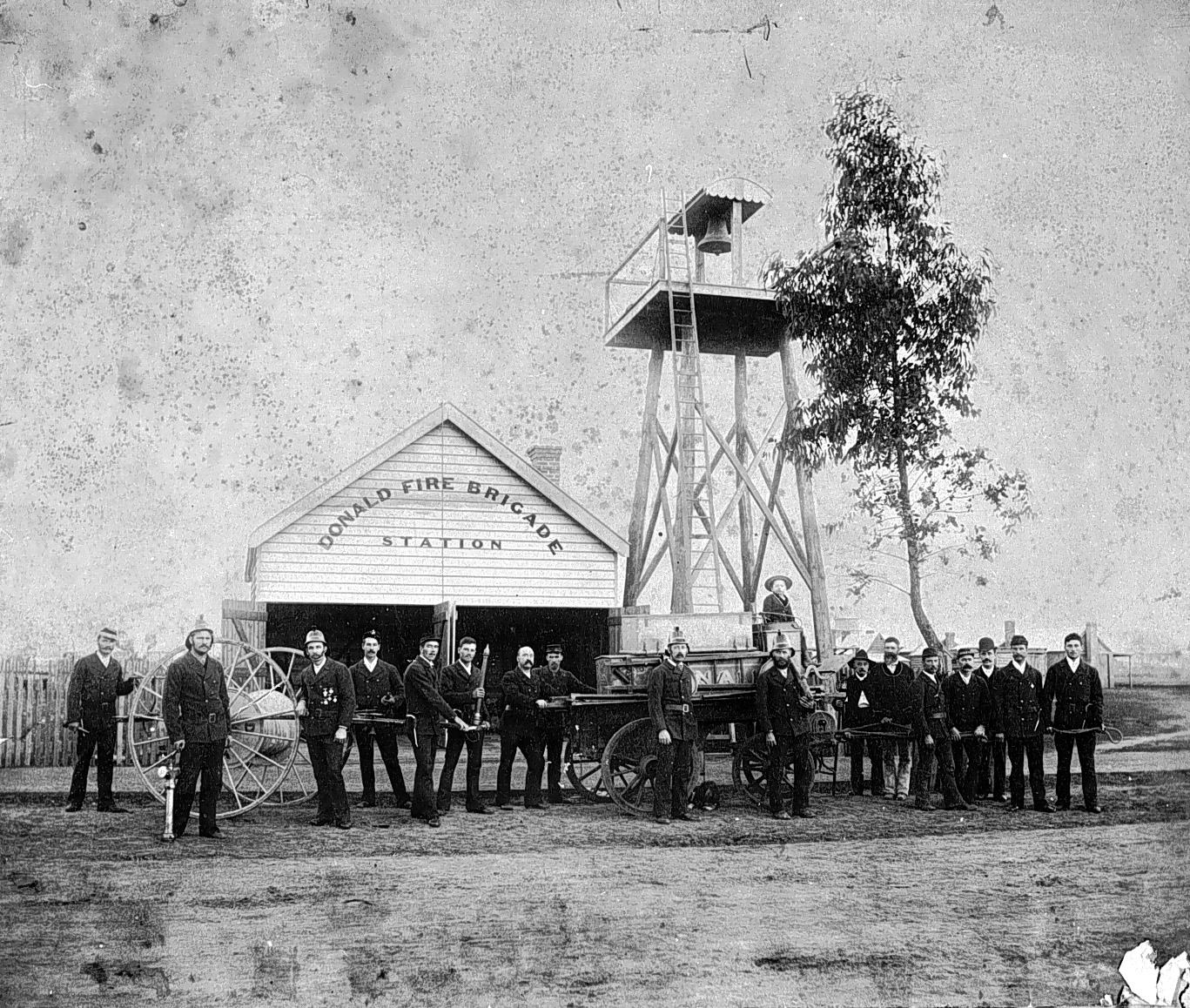
There are important places in every community – perhaps a town hall, courthouse, school, mechanics institute, church, public gardens or memorial. Information about these places may be found in local memories, council records, regional libraries and online.
Local organisations often have a rich and varied history. You may like to research the history of a local community organisation. For example, does your local fire brigade or sports club keep objects that reflect their past? Local historical societies can also provide a window into the past. You can even learn about history by researching the history of your school.
You can being researching the history of an important place by asking these questions:
- Does the place have objects that tell the story of its history?
- Are there people in the place who have been there a long time?
- Has a history of the place already been written?
- Can objects be sourced from archives or past students/employees?
- Do old photographs exist of the place?
Tip: historical photographs can be found online in the Museums Victoria collections and State Library of Victoria search and discover. (The State Library manuscript collection holds around 700 school histories created for a jubilee exhibition held in 1922 to celebrate 50 years of compulsory education in Victoria.)