Teacher guide
Suitable for: Years 9 to 12, VCE
Learning areas: History, Civics and citizenship
Topics: Immigration, Identity, Refugees
Engage creatively and critically with history through digital and collaborative activities.
This resource explores the life of Setsutaro Hasegawa and his family. It investigates the White Australia Policy, migration, and identity in Australia. It encourages students to connect historical events with their own experiences of belonging and to engage critically with hidden histories.
These activities can be used before or after our Waves of Migration excursion.
In this activity students will
- Explore museum collections digitally and experience Setsutaro’s story through animation.
- Investigate the impact of the White Australia Policy and WWII internment on Japanese diaspora in Australia.
- Reflect on intergenerational stories of migration and belonging.
- Engage creatively and critically with history through digital and collaborative activities.
Suggested questions to engage students
- How do government policies around migration shape who belongs in a nation?
- How can personal or family stories change the way we understand national history?
- Why are some communities’ migration stories remembered and celebrated, while others are overlooked or hidden?
- What can we learn about identity and belonging by looking at the objects people bring with them when they migrate?
- How do past policies like the White Australia Policy continue to shape ideas of Australian identity today?
What to do
Show students the video about Setsutaro Hasegawa before selecting from the following activities and discussion topics.
Activity 1: Video exploration
In pairs, students discuss the following questions:
- Who was Setsutaro Hasegawa and why did he move to Australia?
- Can you recall one memorable thing about his life?
Reflect on this quote:
To know who I am, I had to know who Setsutaro Hasegawa was. — Andrew Hasegawa (Grandson of Setsutaro)
- What does Andrew mean?
- How can learning about someone’s past shape your understanding of your own identity?
Activity 2: Object storytelling
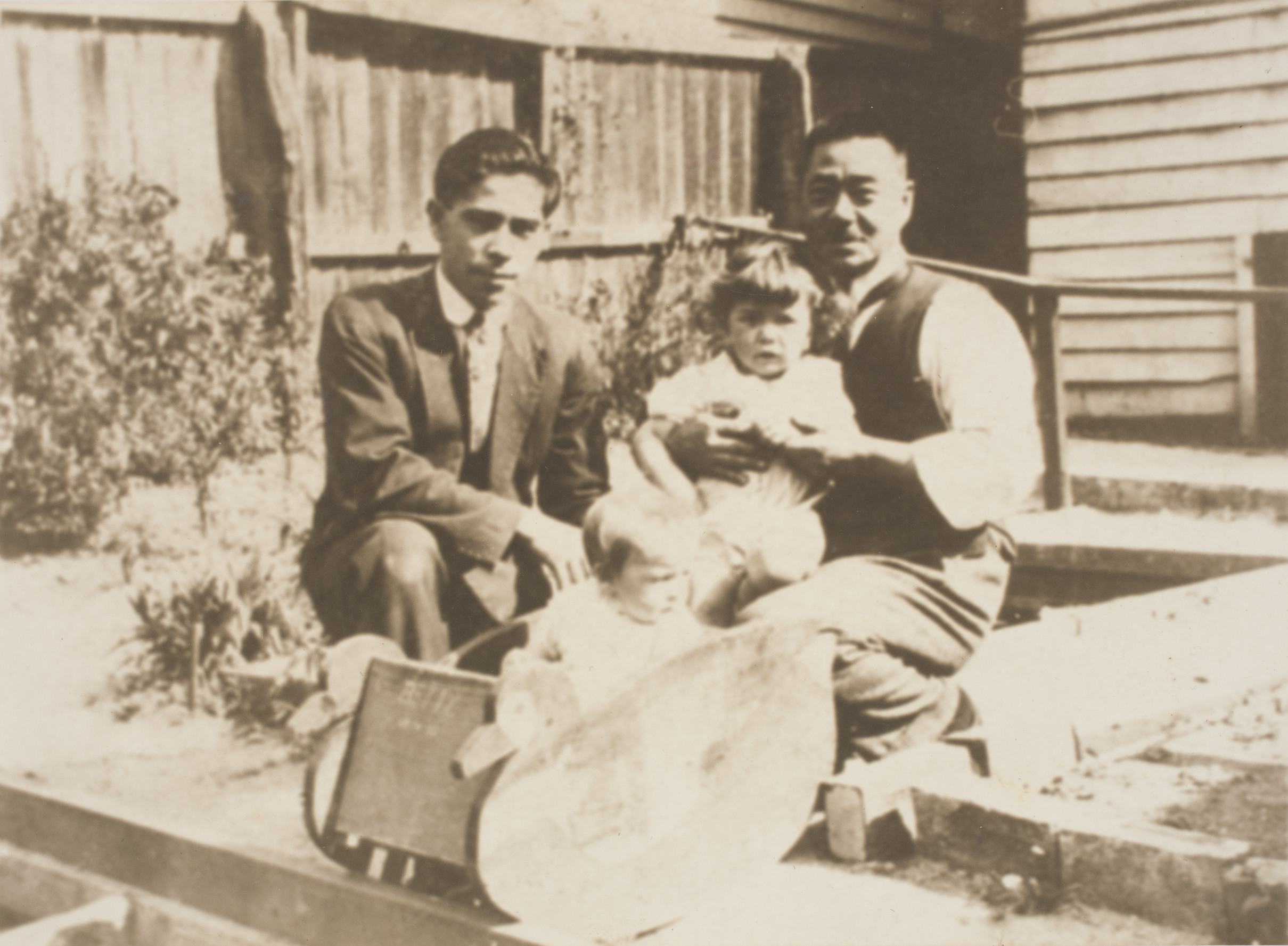
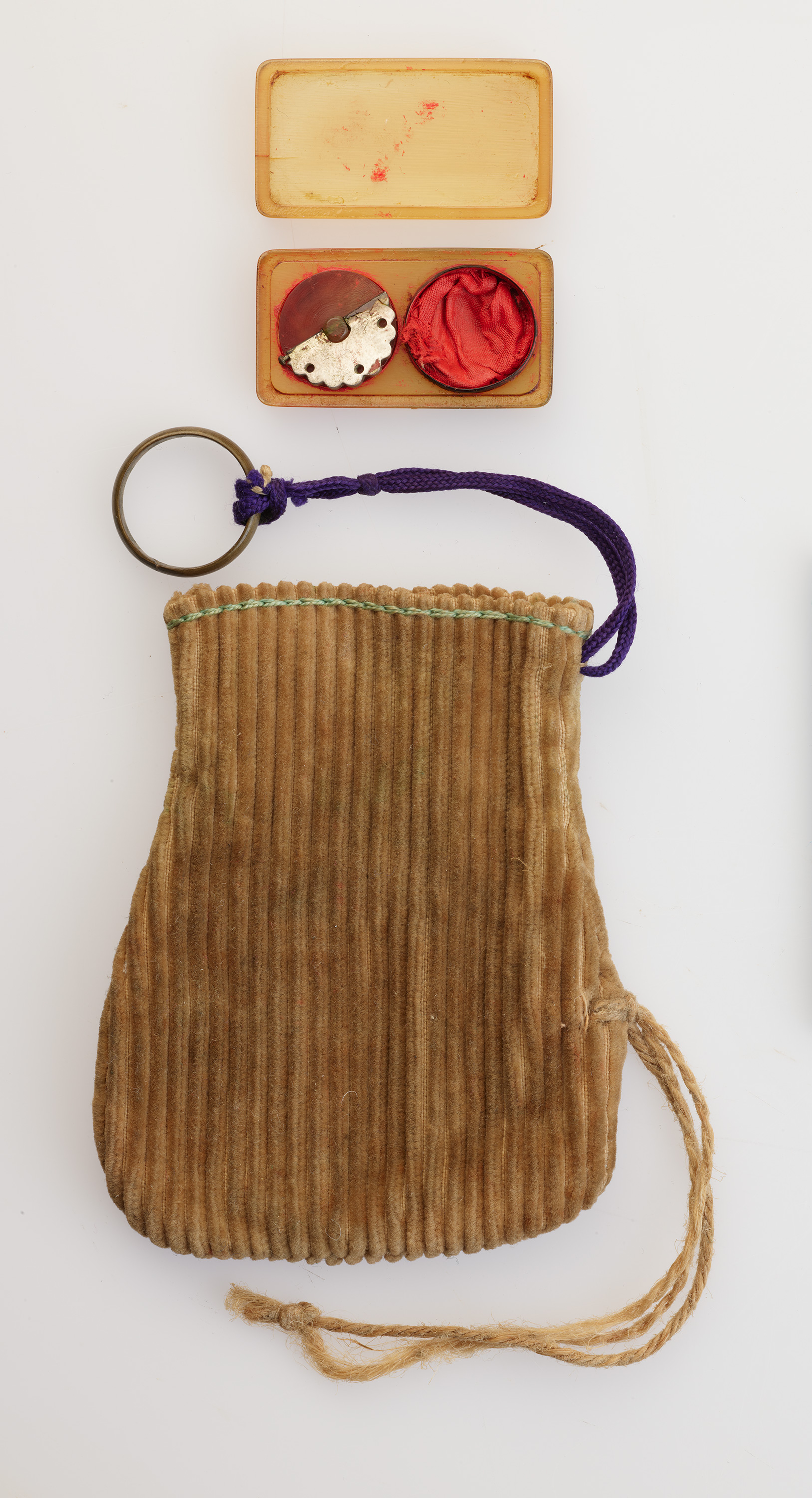
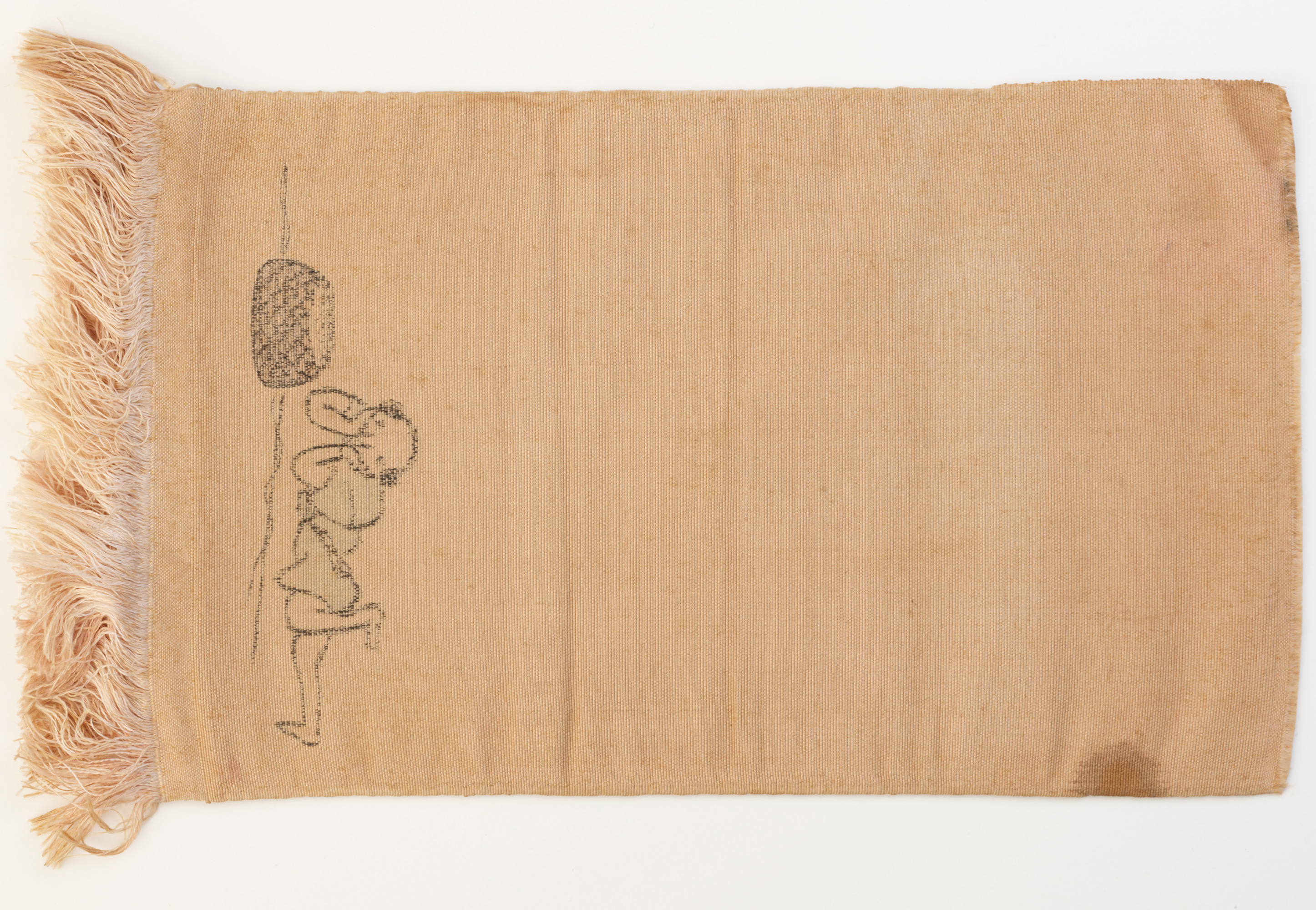
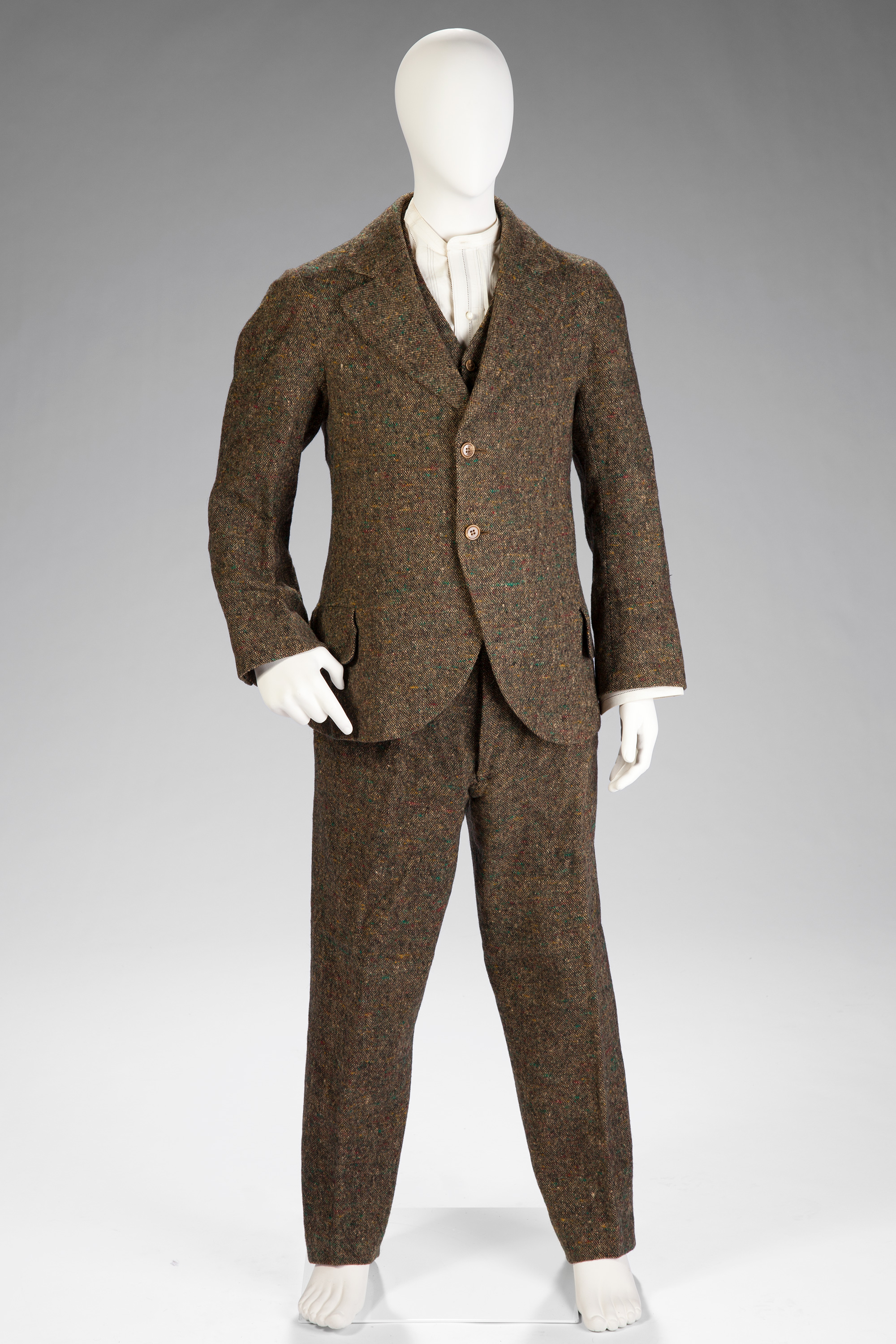
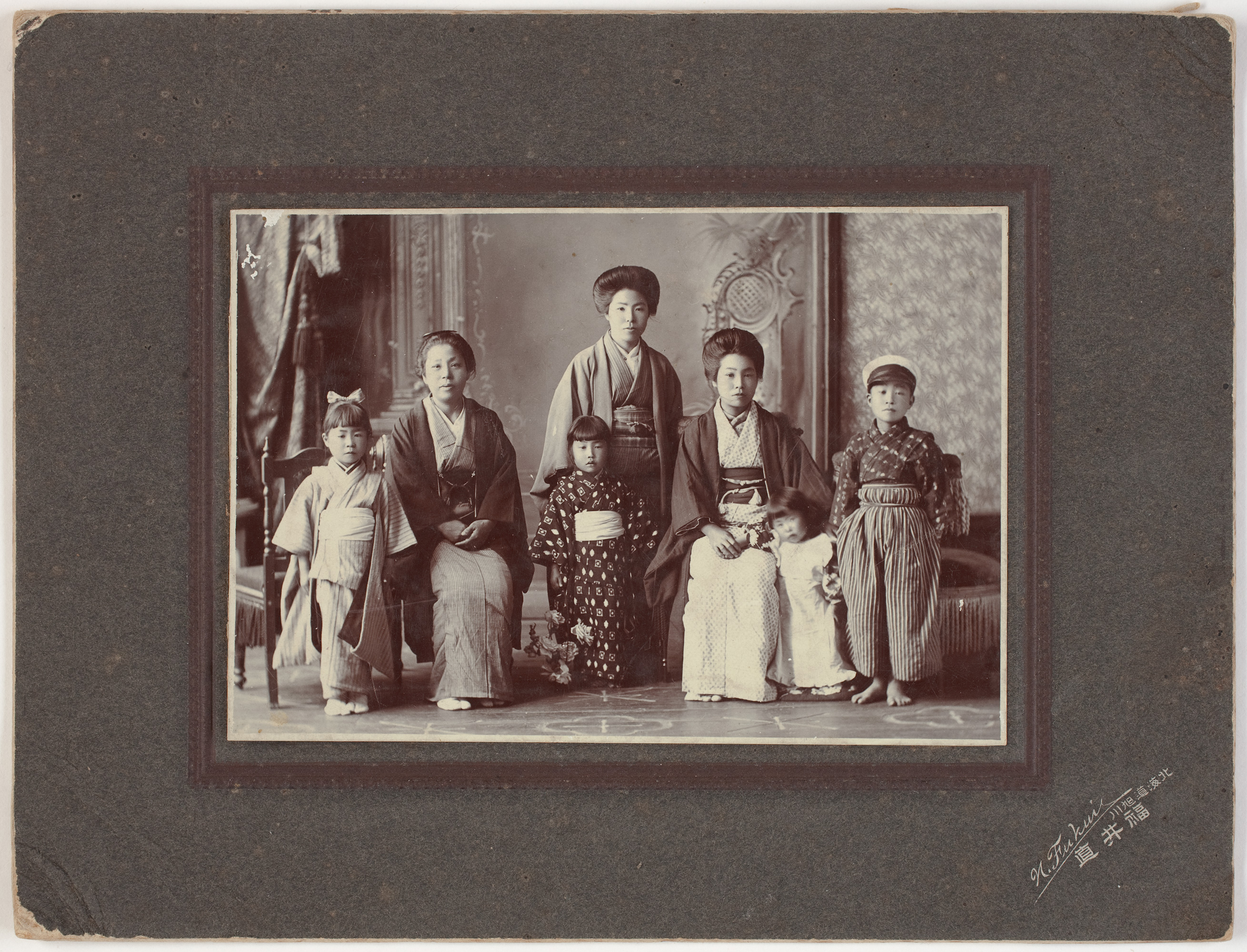
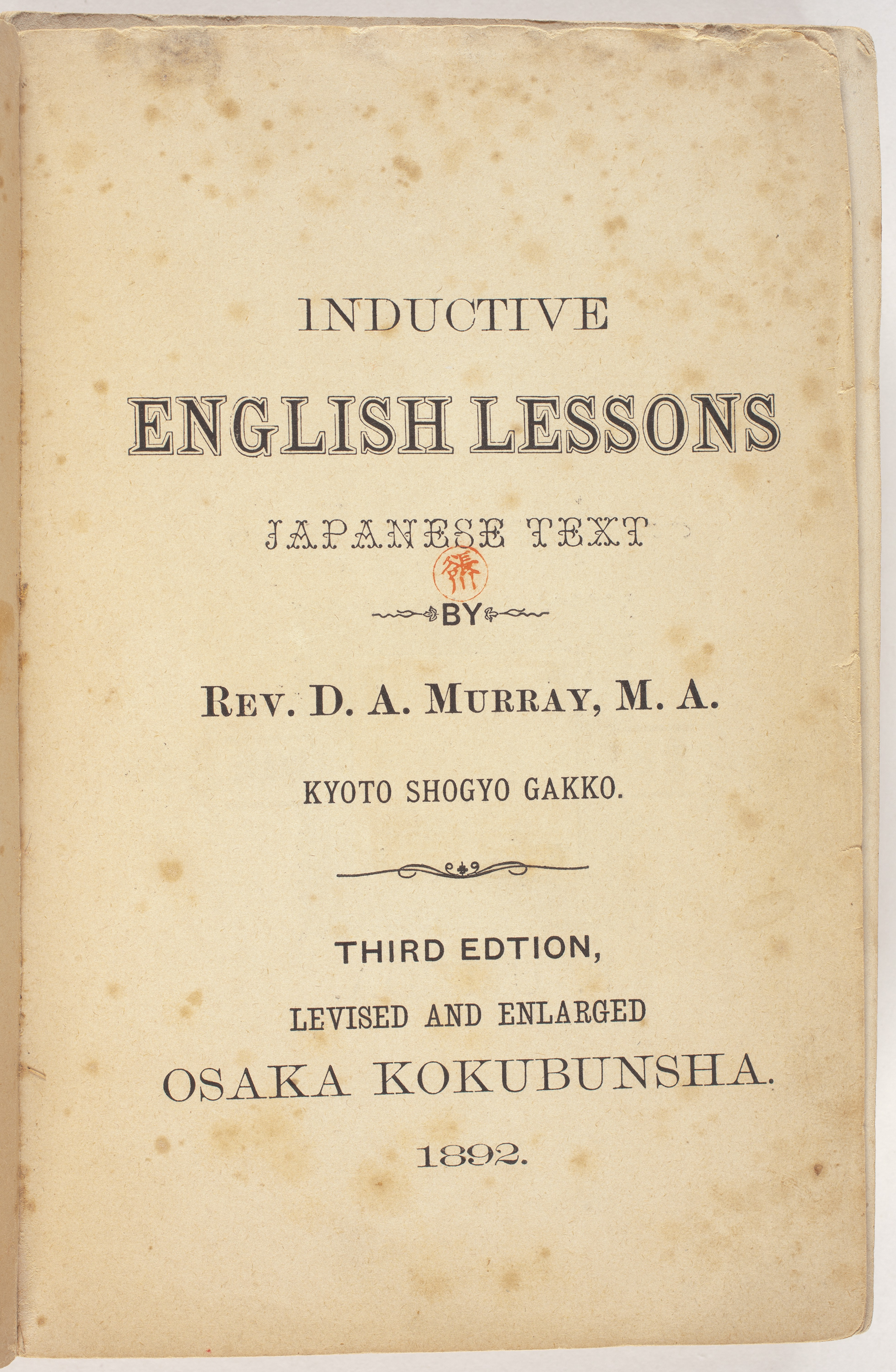
Look at some of the objects Setsutaro brought to Australia and consider their significance. You can discuss:
- What do these objects tell us about Setsutaro’s identity and values?
- How might they help others understand his story?
Creative Extension
- Choose a personal object that tells a story about your life.
- Create a digital “museum label” or short video explaining its significance.
Activity 3: Historical inquiry
Timeline mapping
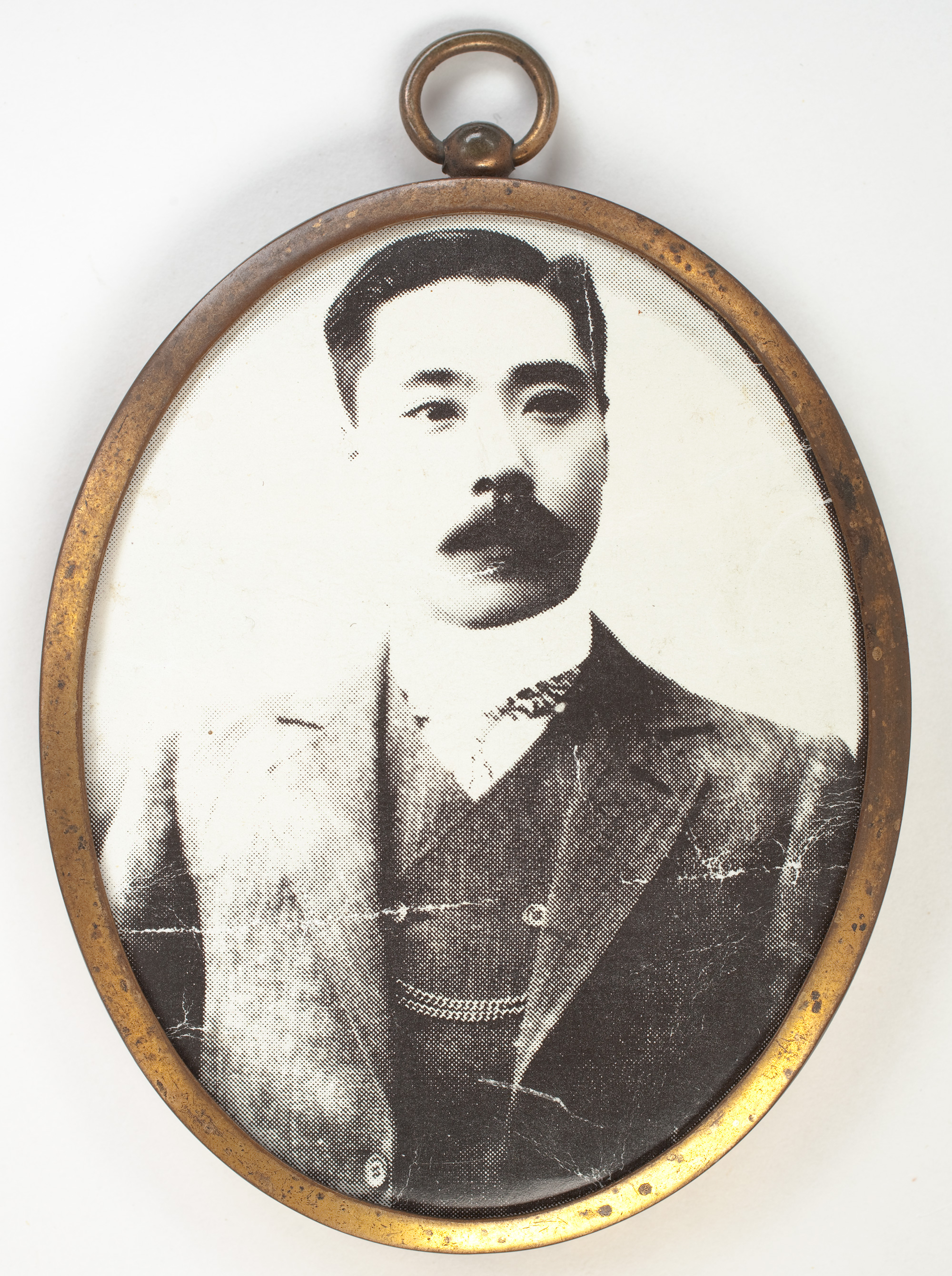
Create a written or an interactive digital timeline (such as on Padlet) to:
- Map key events in Setsutaro’s life.
- Add multimedia (images, short video clips, audio quotes) from the video or from Museum Victoria Collections.
Roleplay
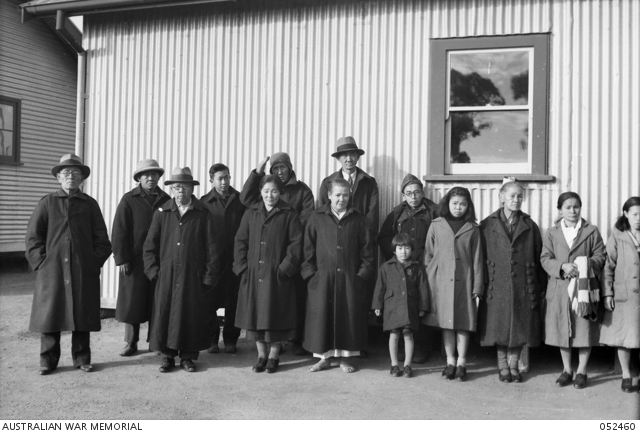
Write a brief social media post or newspaper letter from the 1940s responding to Japanese Australian internment.
- Consider your perspective: critique the policy, encourage empathy, or highlight social justice issues?
- Share your posts and compare the perspectives of other students.
Storytelling collage
Choose one aspect of Setsutaro’s life affected by the White Australia Policy.
Create a digital collage or story map showing how the policy shaped his experience.
Activity 4: Hidden histories
Jigsaw reflection
Watch the video again. Consider this quote:
Over decades, I’ve been assembling a jigsaw puzzle … There’s a couple missing. — Andrew Hasegawa (Grandson of Setsutaro)
- What do you think is missing in Australia’s recorded history?
- How does Setsutaro’s story fill some of these gaps?
Collaborative mind map
In groups, create a shared digital mind map (such as on Google Slides) listing overlooked communities or individuals in Australian migration history.
Include your own knowledge or quotes as well as images and archival materials you find online or in museum collections.
Research multiple perspectives: migrants, Indigenous Australians, Japanese Australians, or other communities.
Here are some useful links to get you started:
- Our Federation Journey - A 'White Australia'
- Pamphlet - 'I Stand By White Australia', Arthur Calwell, Australian Federal Minister for Immigration, 1949
- Pamphlet - 'Why Does White Australia Matter?', Victorian Association for Immigration Reform, Melbourne, circa 1968
- Newsclipping - 'A Victim Of The White Australia Policy', 23 Apr 1983
- Aileen McColl & Agapito Castillo, Melbourne, circa 1945
- Hans Hukom - Indonesian Migrant Applicant To Australia 1960s
- Immigration History from Japan to Victoria
Final reflections
Based on what you have learned about Setsutaro and Andrew Hasegawa, how did the White Australia Policy shape their experiences? What does their story reveal about the long-term impact of immigration policies on individuals, families, and communities?
Victorian Curriculum Links
History: Levels 9 and 10
- significant events, ideas, people, groups and movements that contributed to continuity and change in Australian society between 1750 and 1914 (VC2HH10K09)
- Aboriginal and Torres Strait Islander Peoples’, local-born colonists’ and migrants’ experiences and perspectives of continuity and change between 1750 and 1914 (VC2HH10K10)
- continuities and changes and their consequences on ways of life, living conditions, political and legal institutions and cultural expression around the turn of the 20th century (VC2HH10K11)
- interpretations and debates about Australian history between 1750 and 1914, including the Frontier Wars or Australia as social laboratory (VC2HH10K12)
- the causes of World War I and World War II (VC2HH10K13)
- significant events and turning points of the world wars (VC2HH10K17)
- significant consequences of the world wars on Australian society and the experiences and historical perspectives of those on the home front, including Aboriginal and Torres Strait Islander Peoples and women (VC2HH10K19)
- causes and consequences of significant post-1945 world events, ideas and developments, and their influences on Australia after 1945 (VC2HH10K38)
- continuities and/or changes caused by a major global influence, development and/or event after 1945 (VC2HH10K39)
- different historical interpretations and debates about changes and legacies of a major global influence, development and/or event, including on Australian society (VC2HH10K41)
Intercultural Capability: Levels 9 and 10
- how diverse cultures, including their own, influence one another in a range of contexts and how this impacts identity and a sense of belonging and inclusion( VC2CI10C01)
- ways in which intercultural relations and intercultural experiences are influenced by policies and practices of a range of institutions (VC2CI10C02)


Sign-up to Museum Teachers
Subscribe and get special offers, teacher news and free entry to all museums.