Student activity
Suitable for: Years K to 4
Learning area: Science
Topic: Bugs
Take students on a scavenger hunt for bugs as they learn about habitats.
This resource has been designed to support students to develop their observation skills by exploring the micro-habitats of different creatures that occupy our natural world. Students will hunt for bugs in their local environment and record what they see. This activity includes prompting questions and a scavenger hunt worksheet.
Students will need an outdoor space where they can explore different environments (e.g. grass, sand, shrubs, trees, water).
In this activity students will
- Observe the different habitats of bugs
- Develop an understanding of the key features of a habitat.
- Observe different insects and other minibeasts and identify similarities and differences .
- Collect data by drawing or taking a photo of an insect in its habitat.
Suggested questions to engage students
- What bugs have you noticed in the school yard?
- Where do they live?
- What kind of places make good homes for bugs?
- What features of bugs help us to identify them?
What to do:
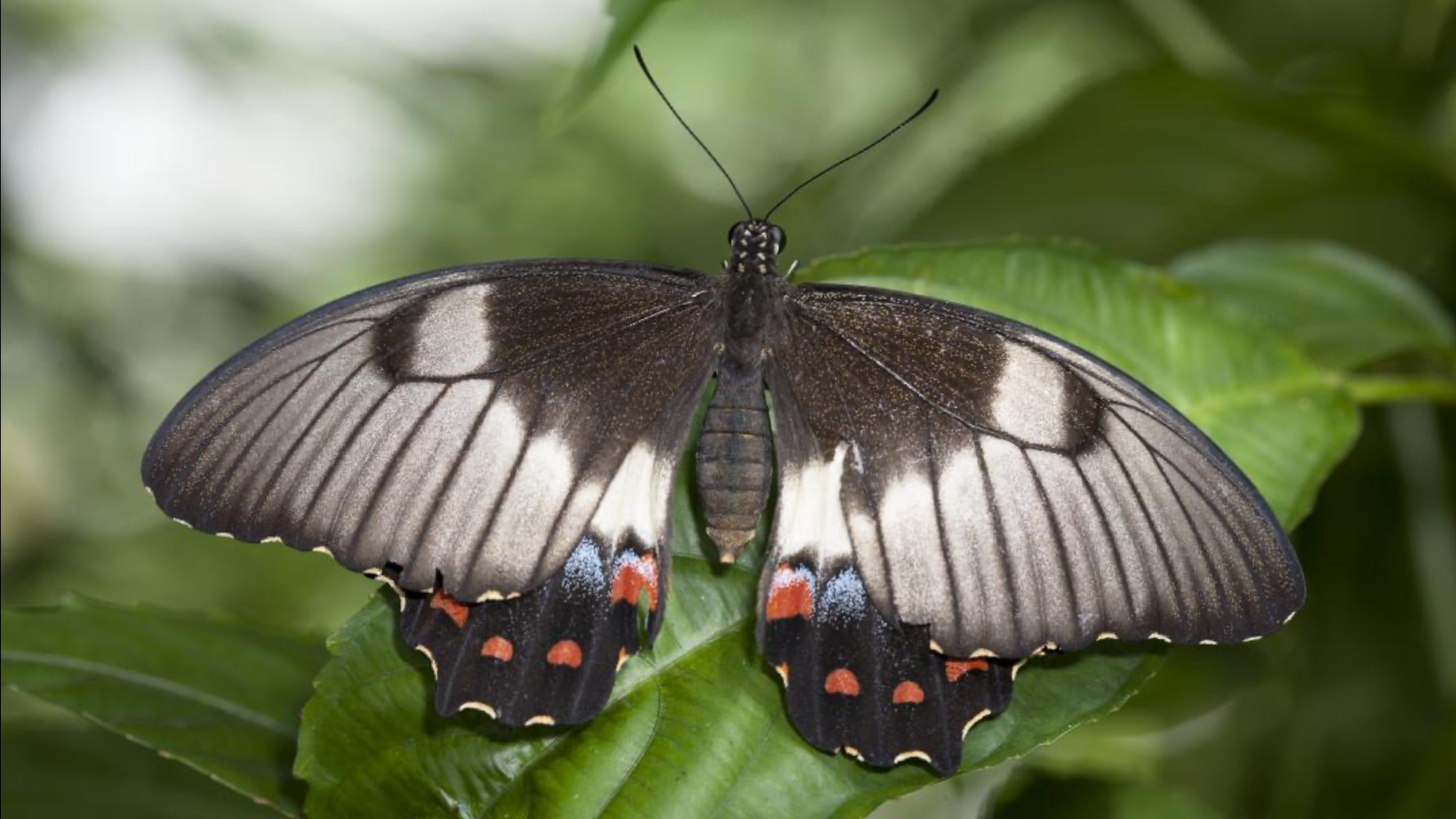
To begin, guide students to think about the sort of habitats that bugs live in. This will help us know where to look for them. A habitat provides shelter, as well as the food and water that bugs need to survive. Some common habitats for bugs include:
- Trees, bushes and shrubs.
- Grass and other plants (e.g. moss, lichen).
- Under bark and rocks.
- In soil and dirt.
Take students outside for a walk to explore some of the habitats outlined above. When you find a minibeast (or small critter) take a photo or draw a picture of it.
Then see if students can answer the following questions:
- What type of bug have you found?
- What sort of habitat does it live in?
- How many legs does it have?
- Does it have wings?
- How would you describe its body shape?
Older students may also create a table to record and compare findings with other students.
- Download the scavenger hunt worksheet| 1.79 MB .pdf file
When you have finished your bug hunt you might like to try our outdoor scavenger hunt. Invite students to try to tick off all the things on the list:
Victorian Curriculum Links
Science: Levels F-2
Science as a human endeavour
- scientific knowledge is based on observations of the natural world using the senses, and scientific tools and instruments (VC2S2H01)
Biological sciences
- plants and animals have observable features that can be used to group them in different ways (VC2S2U01)
- plants and animals have basic needs, including air, water, food and shelter; the places where they live meet those needs (VC2S2U02)
Science inquiry
- observations are made using the senses and recorded, including informal measurements, using digital tools as appropriate (VC2S2I03)
Science: Levels 3-4
Science inquiry
- observations can be used as a basis for posing questions to identify patterns and relationships, and to predict the outcomes of investigations (VC2S4I01)
Science as a human endeavour
- data from observations obtained through scientific inquiry can be used to develop explanations of natural phenomena (VC2S4H01)
Victorian Early Years Learning and Development Framework
- Children are connected with, and contribute to, their world
- Children become socially responsible and show respect for the environment
- Children are confident and involved learners
- Children develop dispositions for learning such as curiosity, cooperation, confidence, creativity, commitment enthusiasm, persistence, imagination and reflexivity
- Children develop a range of skills and processes such as problem solving, inquiry, experimentation, hypothesising, researching and investigating
- Children are effective communicators
- Children express ideas and make meaning using a range of media


Sign-up to Museum Teachers
Subscribe and get special offers, teacher news and free entry to all museums.