Student activity
Suitable for: Years 5 to 6
Learning area: Science
Topics: Bugs, Experiments
Learn how bees use ultraviolet light to find flowers, and explore the unique visual adaptations of bees and their relationship with plants.
Why is bee vision so different to that of humans? Their compound eyes are adapted to help them find flowers. Try this quick demonstration and find out what it's like to see like a bee.
In this activity students will
- Learn about the ways a bees eyes are adapted to search for flowers.
- Watch a video describing how bees see ultraviolet light.
- Learn that bees have compound eyes.
- Carry out a short demonstration to get a better idea of how the world looks through compound eyes.
Suggested questions to engage students
- Why can't humans see UV light?
- How have flowers adapted to take advantage of bees ability to se UV light?
- How do compound eyes compare to human eyes?
- What are the benefits of compound eyes for bees?
Watch
Watch this short video to introduce students to the way bees see the world.
What to do
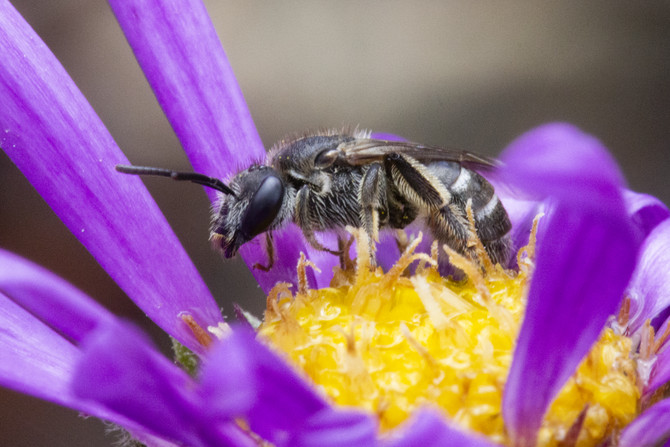
Explain to students that in addition to being able to see UV light, bees have five eyes – three small eyes on top, and two large ones on the side of their heads. The two main eyes are known as 'compound eyes'. Many insects and crustaceans have compound eyes, which are made up of thousands of simple eye cells with individual lenses (like a collection of 'mini eyes').
To get an idea of what it's like having many eyes, students can try this quick experiment:
Steps
- Grab a bunch of straws (at least 20) and tie them together with a string around the middle.
- Cover one eye with your hand, and hold the straw bundle up to your open eye. What does the world look like looking through individual 'mini eyes'?
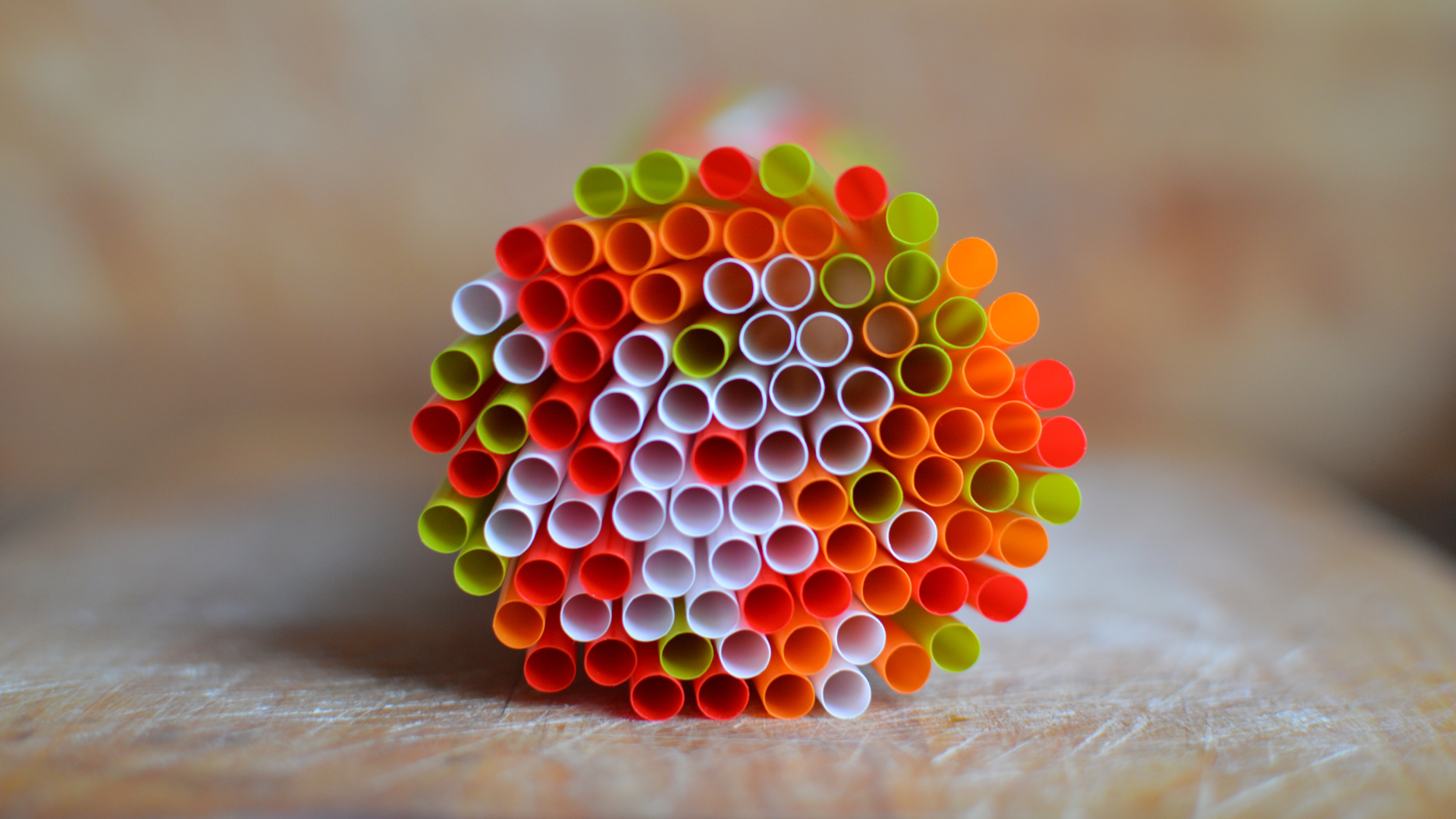
We aren’t used to seeing this way, and the picture is certainly blurrier. But a bees brain stitches together the many images of the compound eye to provide a wider field of vision along with more detail about colour, movement and patterns.
View more videos from Science is a Superpower:
Victorian Curriculum Links
Science: Levels 5 and 6
Biological sciences
- organisms have evolved over time, as seen in fossils and scientific records; the structural features and behaviours of living organisms enable them to thrive in their environments (VC2S6U02)


Sign-up to Museum Teachers
Subscribe and get special offers, teacher news and free entry to all museums.