During the emergence of the coronavirus pandemic in Victoria in early 2020, Victoria’s creative arts community was one of the first sectors to experience cancellations and economic hardship due to coronavirus restrictions.
My daily drawing became a reassuring therapy. — artist and art teacher Liz McGrath
The closure of venues, theatres, museums and galleries had an immediate and devastating impact on artists and audiences. Subsequent lockdowns – including over two months of Stage 4 lockdown from August -October 2020 – created serious and ongoing difficulties for many individuals, artists and creative arts organisations.
Every stitch contains a piece of me. It helped control my mind, as the world appeared to spiral out of control. — artist and quilter Nicole Kemp
And yet, through immense challenges and hardships, the creative arts sector has proved to be crucial for the mental health, education and economic wellbeing of Victorian communities. Artists have responded to the pandemic in extraordinary ways, rallying together to raise funds for arts communities to continue to share their works, and finding new avenues – such as digital realms and virtual exhibitions – to share their works.
Writing haiku poetry freed me from the confines of lockdown. — writer Louise Hopewell
Not everyone has been able to creatively respond during lockdown, but for many individuals, creative mediums such as painting, quilting and poetry have provided an important vehicle for channelling emotions during a difficult and unstable time. As the wider Victorian community stayed indoors and at home for long periods, art has provided a form of therapy for many individuals, and for some, a window into another world.
Writing poetry became my outlet, my coping mechanism. — poet Marina Maggs
The following four creative responses were all submitted to Engage Victoria in late 2020-early 2021, and represent examples of the important role that art and creative writing played during the COVID-19 pandemic, as well as the various ways that some individuals were able to seek solace and reprieve in creative pursuits.
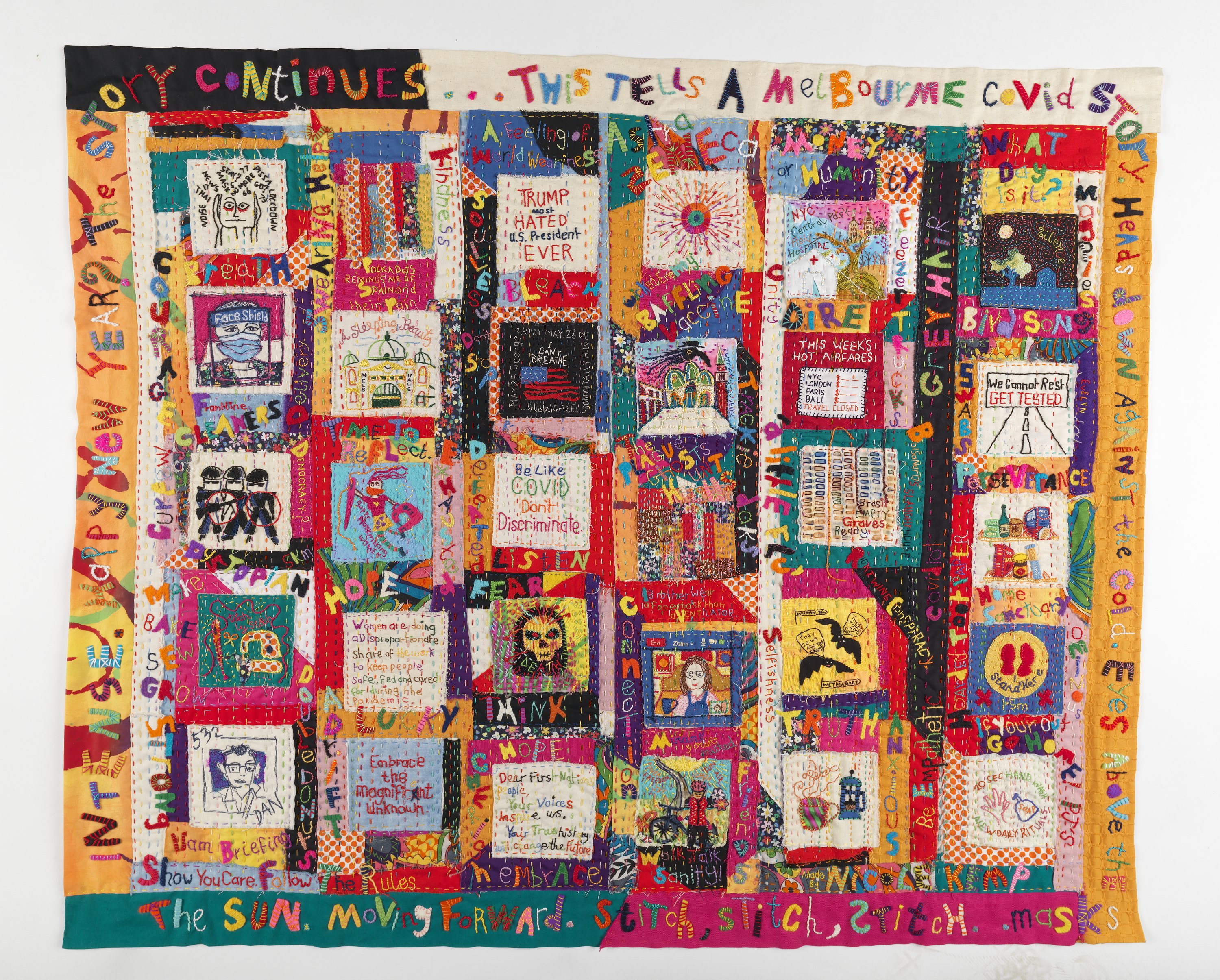
COVID-19 Quilt
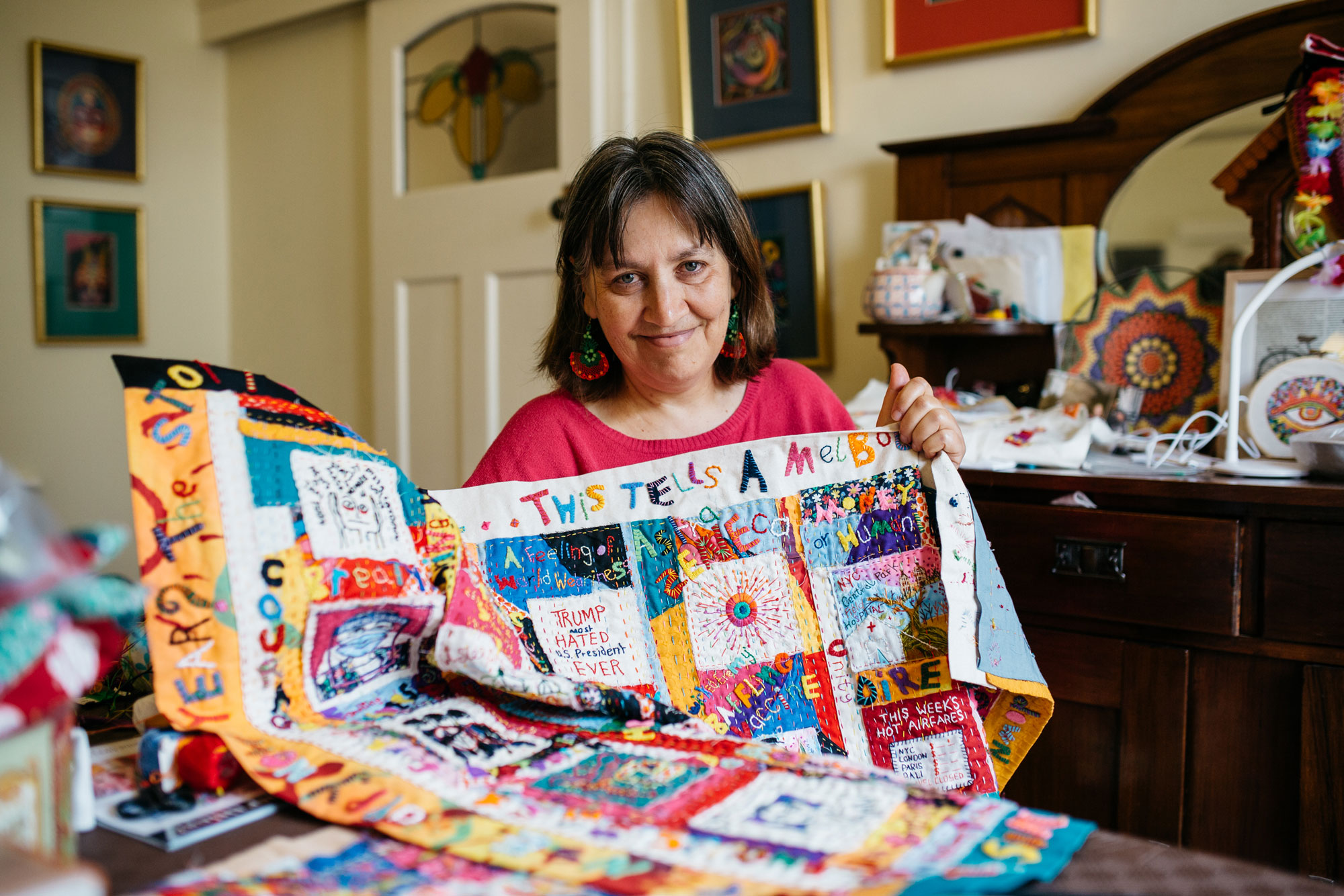
Artist: Nicole Kemp, Ormond, Melbourne
Medium: Embroidery – 114cm x 93cm hand-embroidered quilt
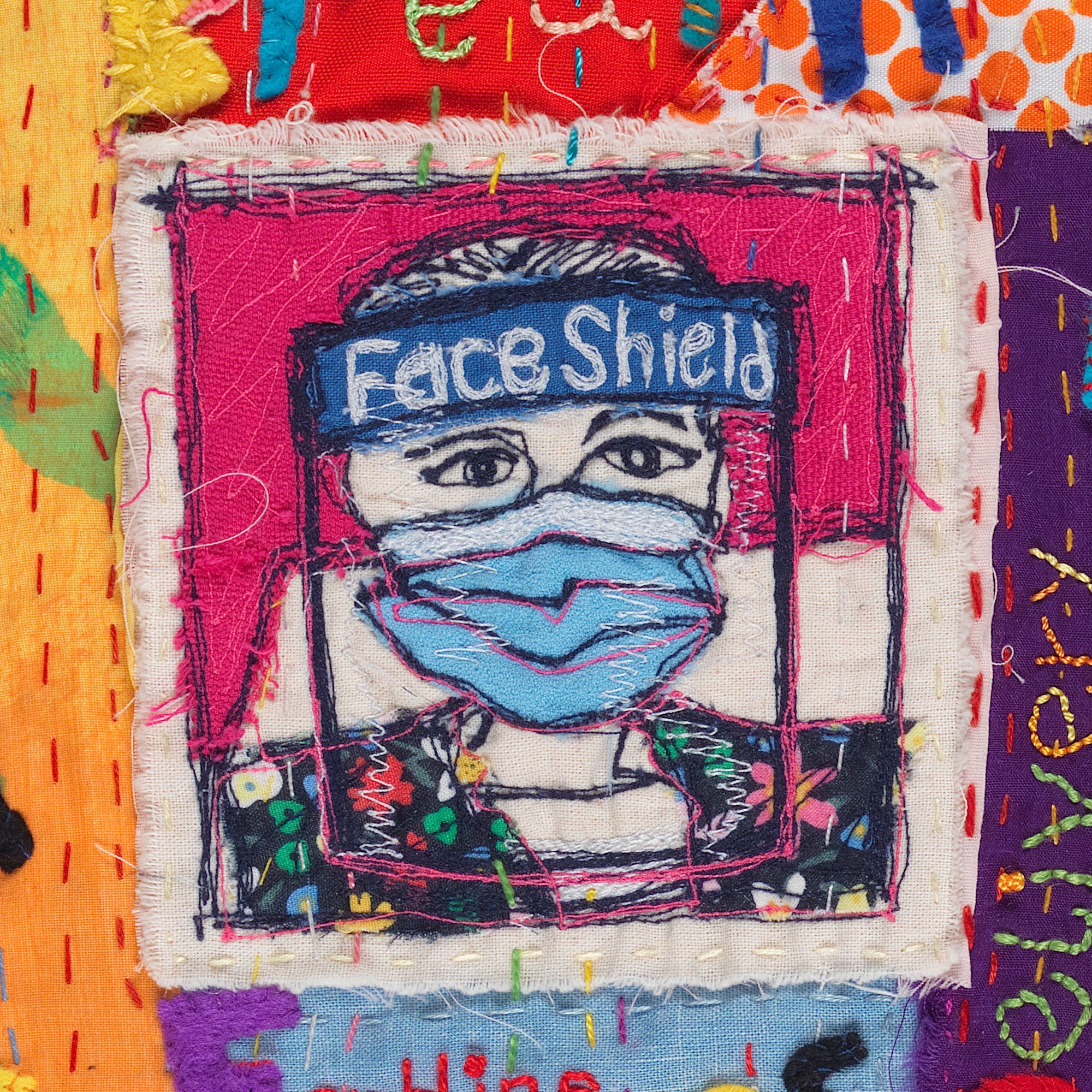
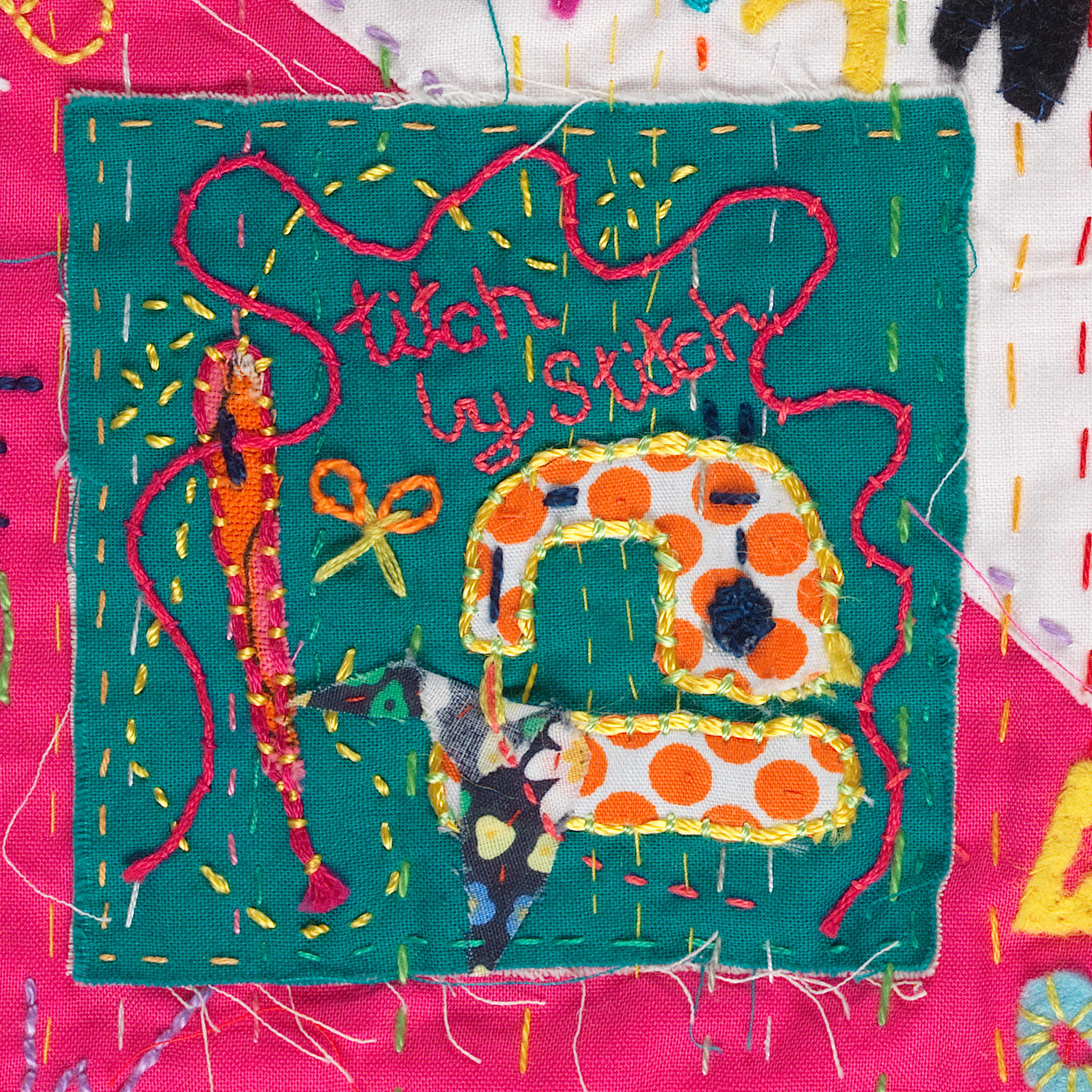
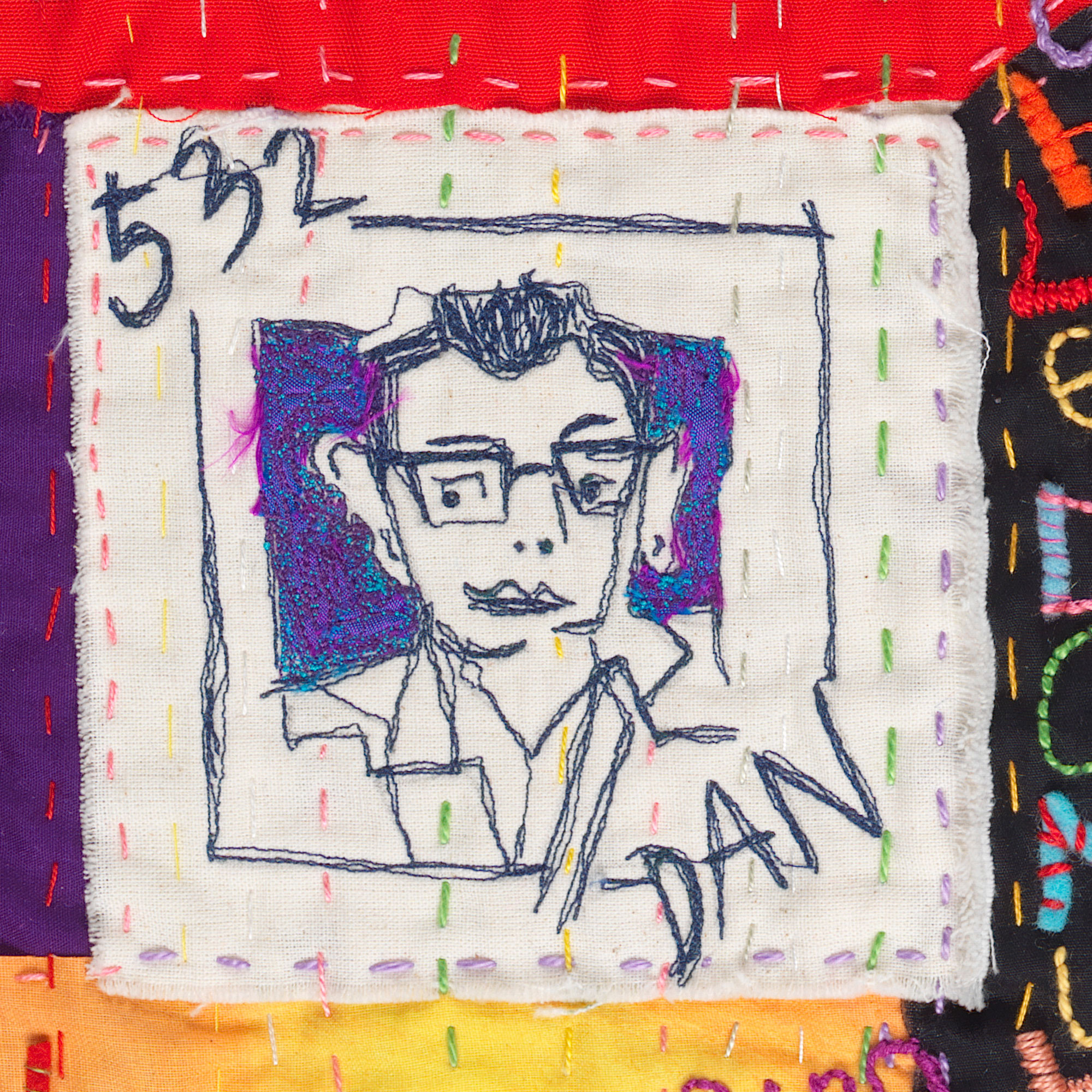
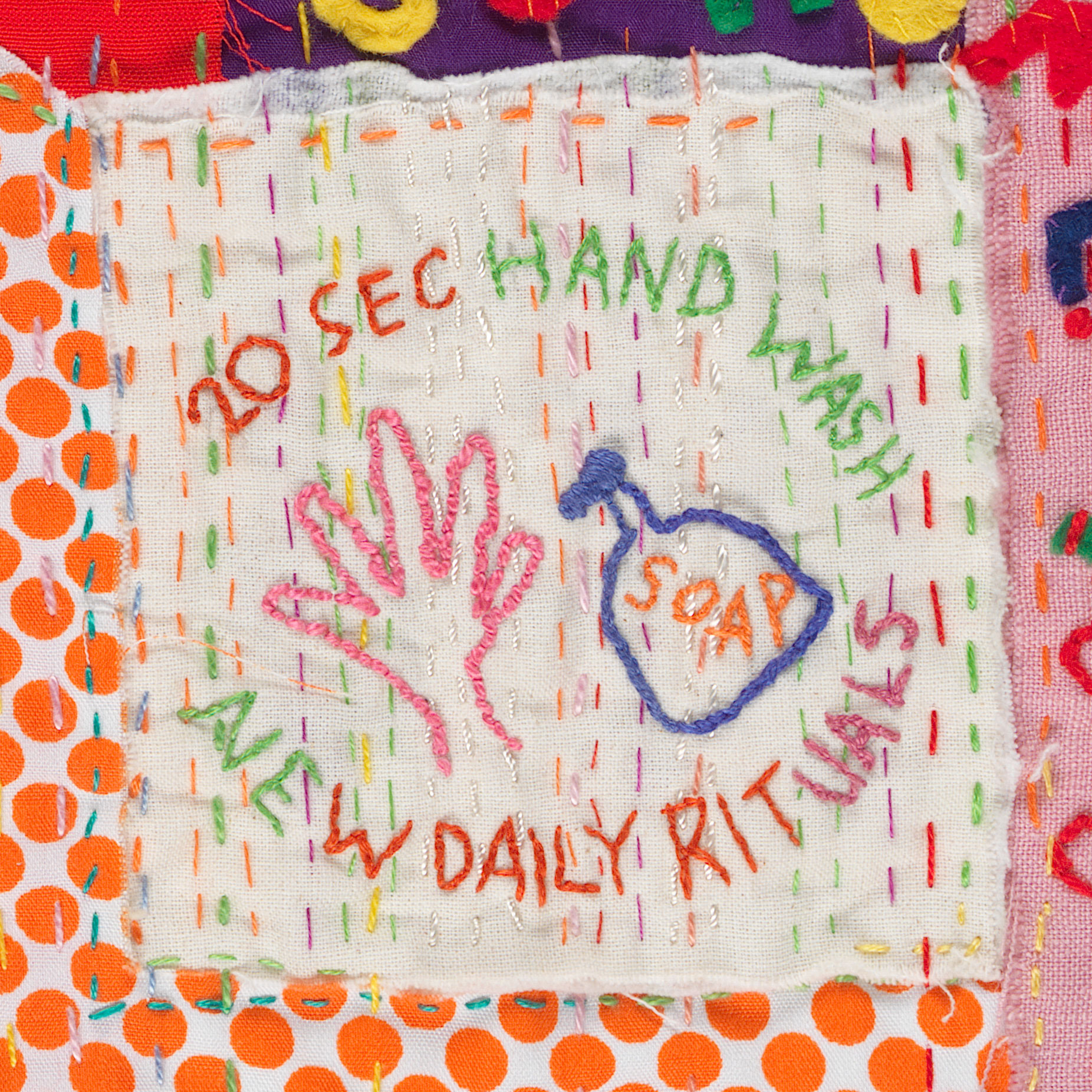
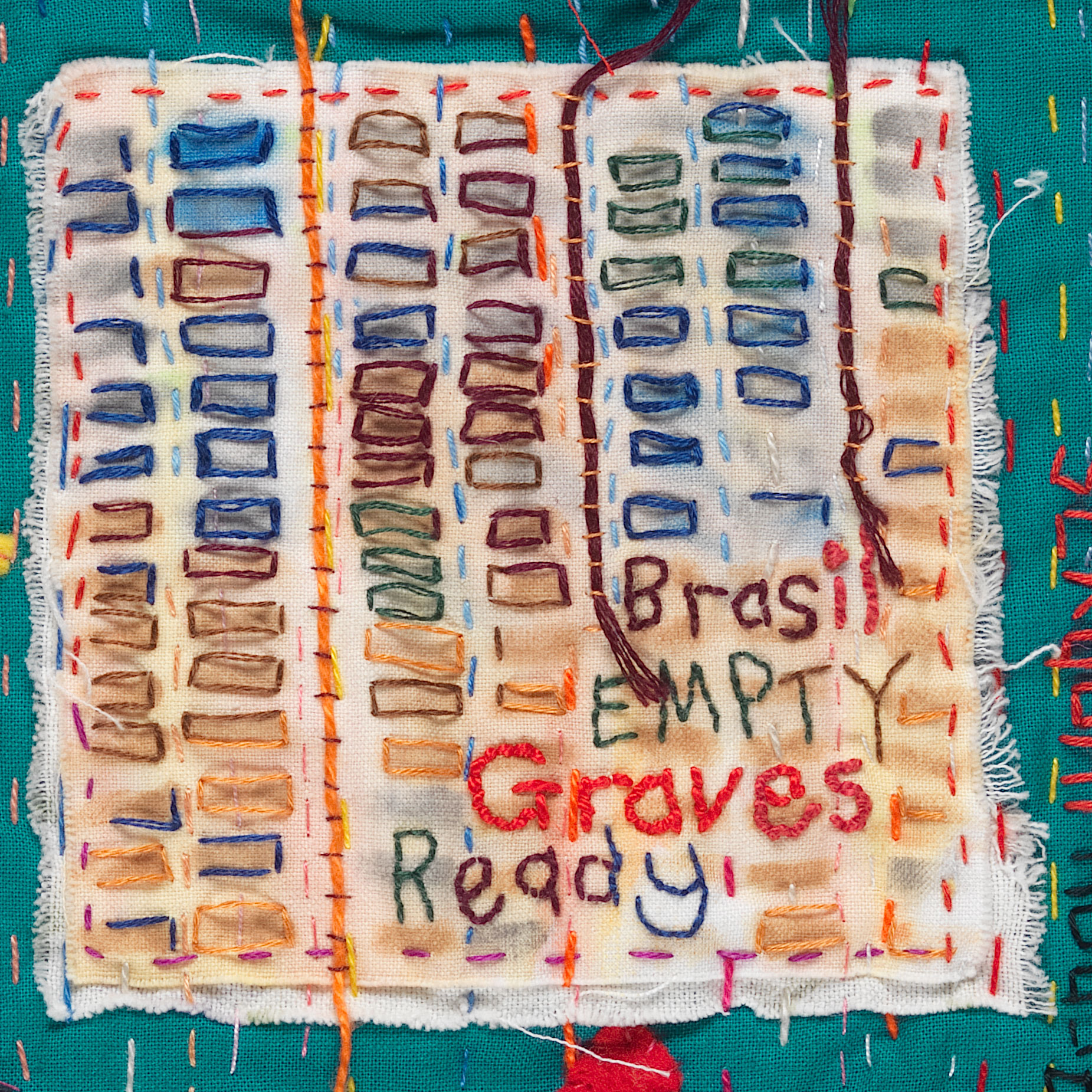
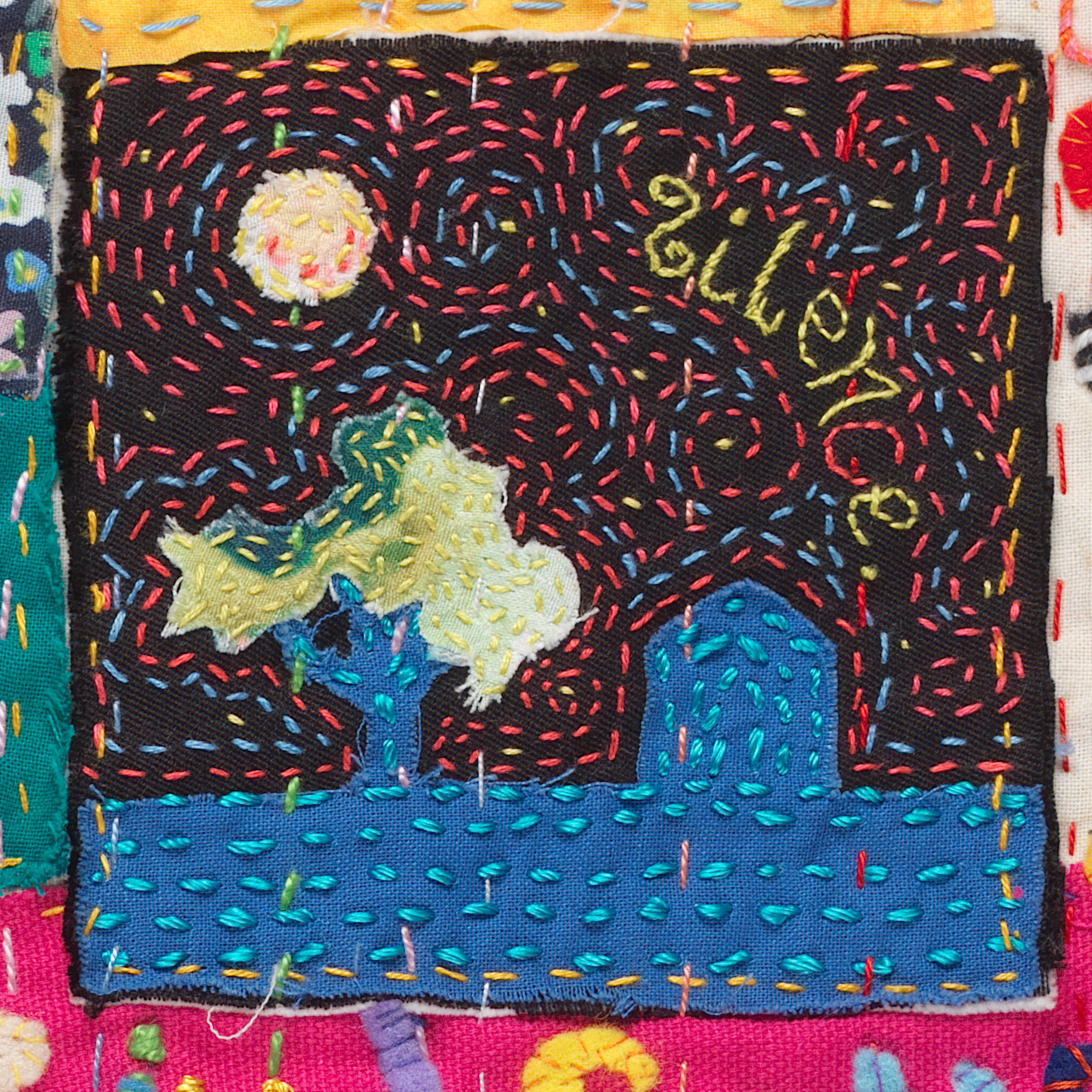
Artist Statement: ‘During both Melbourne lockdowns, staying in contact with my creative friends meant Zooming. I challenged many to record their thoughts, feelings and reactions to our new Covid lifestyle by producing small 10 x 10cm embroideries that recorded our reactions to local and world affairs each week. Others moved onto to other projects but for me it became a way to order my thoughts, slow my mind and calm my anxiety. Started in late March 2020 and completed in January 2021, I began to link the embroidered patches together by patching and stitching. Words that I had recorded in my sketch books were then added.
Every stitch contains a piece of me. It helped control my mind, as the world appeared to spiral out of control. — Nicole Kemp
I’m proud to present this art quilt that represents all the pain, happiness, fear, politics, social upheavals that we have all experienced since COVID-19 changed our lives. A year in the making. Made in the kitchen, the lounge room, down on the floor, it evolved completely out of my control. My emotions directed it. Every stitch contains a piece of me. It helped control my mind, as the world appeared to spiral out of control. Some days it was very hard to work on it. Like Covid, it seemed like I would never reach the end of it. Some days it was a joy. It’s precious. I thought about all the women who have made story quilts over the centuries. I channelled them and they inspired me to keep going. Thanks Ladies. You have not been forgotten.’






Acknowledgement
With the support of the Office for Suburban Development, this quilt has been acquired into Museum Victoria’s State Collection.
Lockdown 2.0 — A haiku a day project
Poet: Louise Hopewell, Fitzroy North, Melbourne
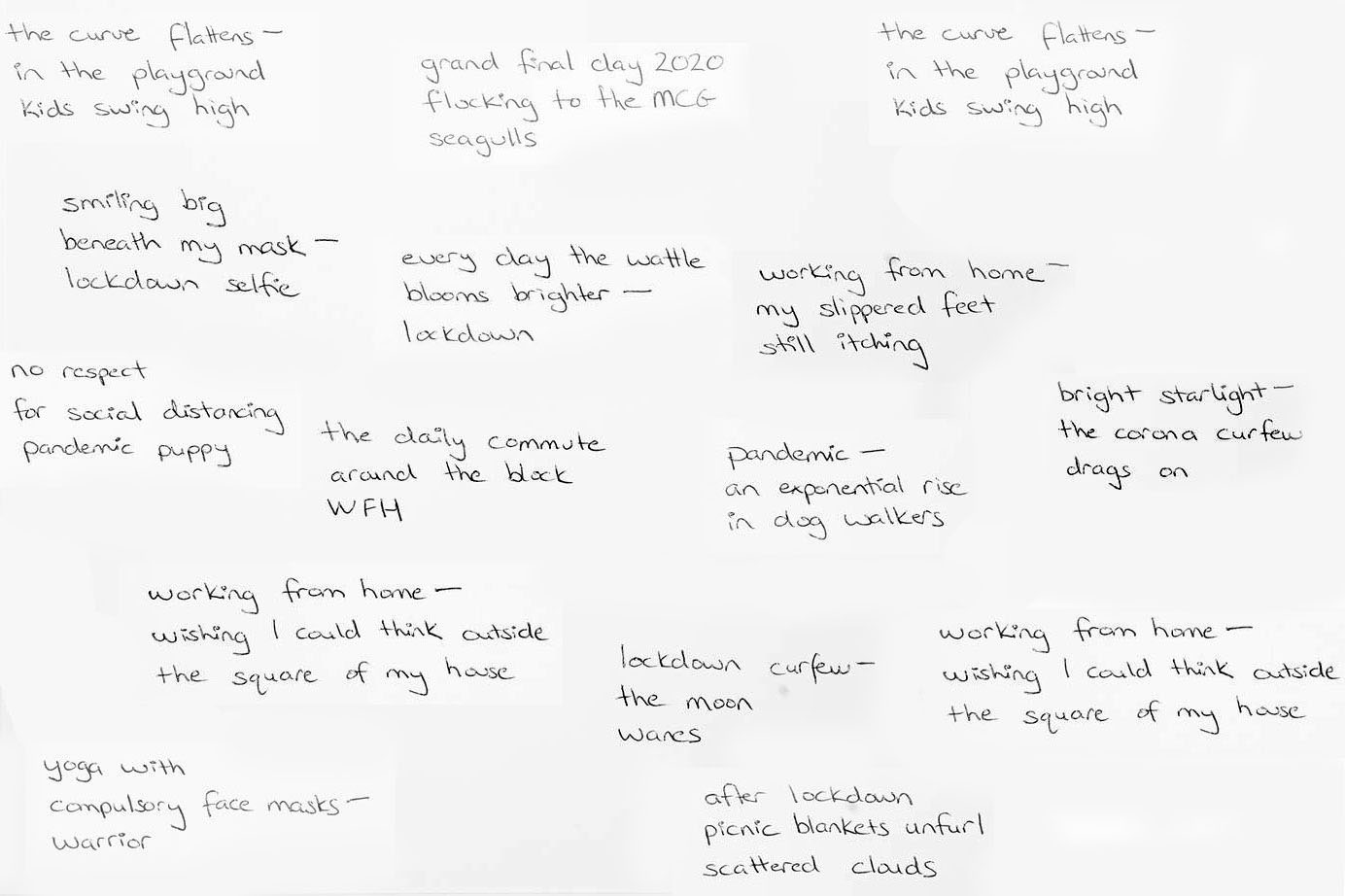
Poet’s Statement: ‘Stuck working from home since March 2020, by the time Lockdown 2.0 arrived, I was creatively exhausted. I decided to reignite my creativity by writing a haiku a day. By the time the second lockdown ended, I had penned over 250 haiku, mostly inspired by my daily wander in the park opposite my house.
Haiku is about capturing small details from a single moment in time. Every day, walking up and down in the same strip of parkland, I was able to find something new and interesting to inspire a haiku or ten. As the lockdown dragged on, my haiku project made me tune in to the subtle and beautiful changes in nature as winter turned to spring turned to early summer. Through writing haiku, I was able to escape the feeling of being locked down. Writing haiku poetry freed me from the confines of lockdown.’
Writing haiku poetry freed me from the confines of lockdown. — Louise Hopewell
Here’s a small sample:
lockdown 2.0
muddy puddles
grow muddier
wind rattles
through ghost gums —
deserted playground
#stayhome
creeping over the side fence
my neighbour’s jasmine
smiling big
beneath my mask —
lockdown selfie
home-office politics —
outside my window
squabbling lorikeets
working from home —
wishing I could think outside
the square of my house
grand final day 2020
flocking to the MCG
seagulls
the curve flattens —
in the playground
kids swing high
Acknowledgement
With the support of the Office for Suburban Development, a handwritten copy of these poems has been acquired into Museum Victoria’s State Collection.
Lockdown Sketches
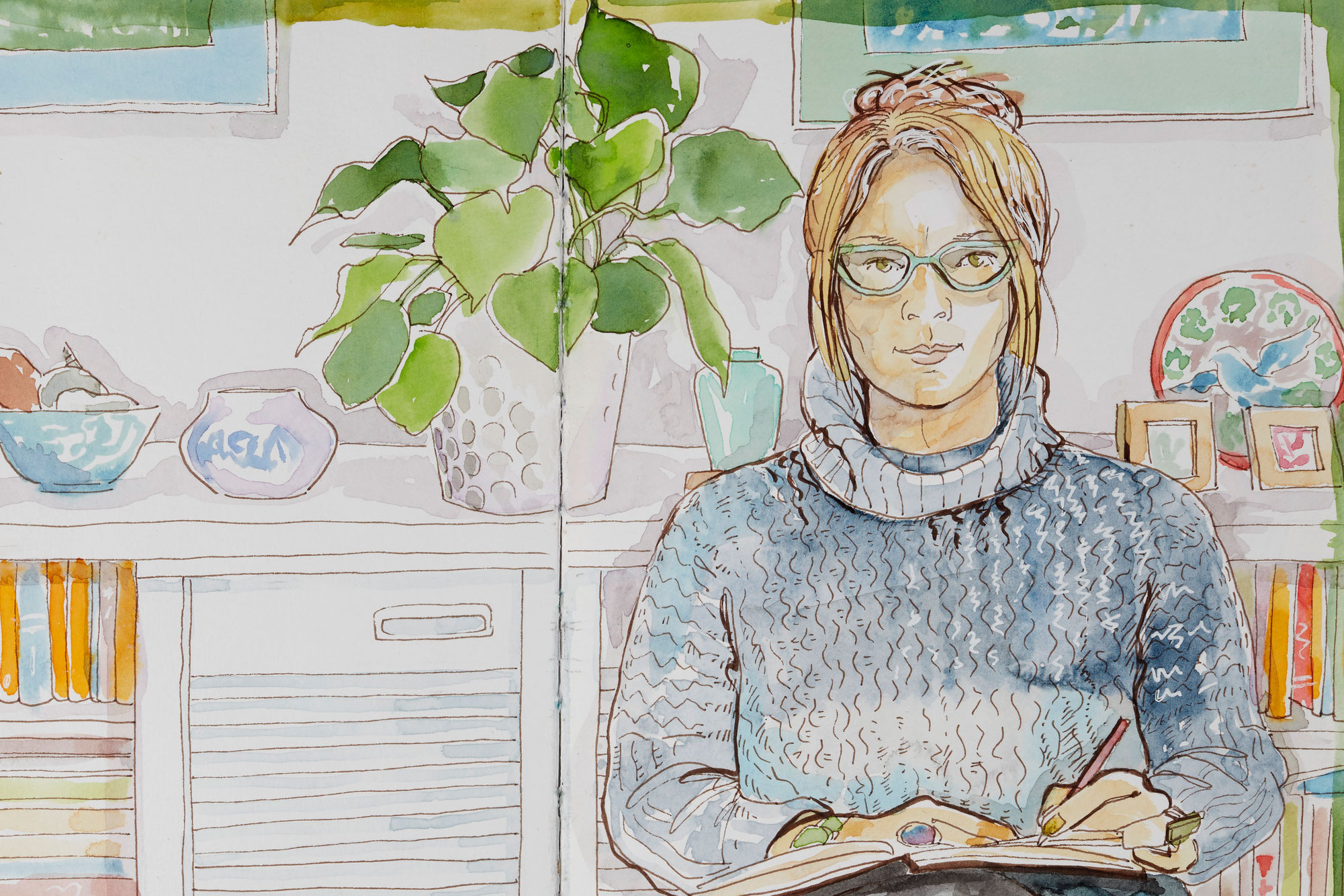
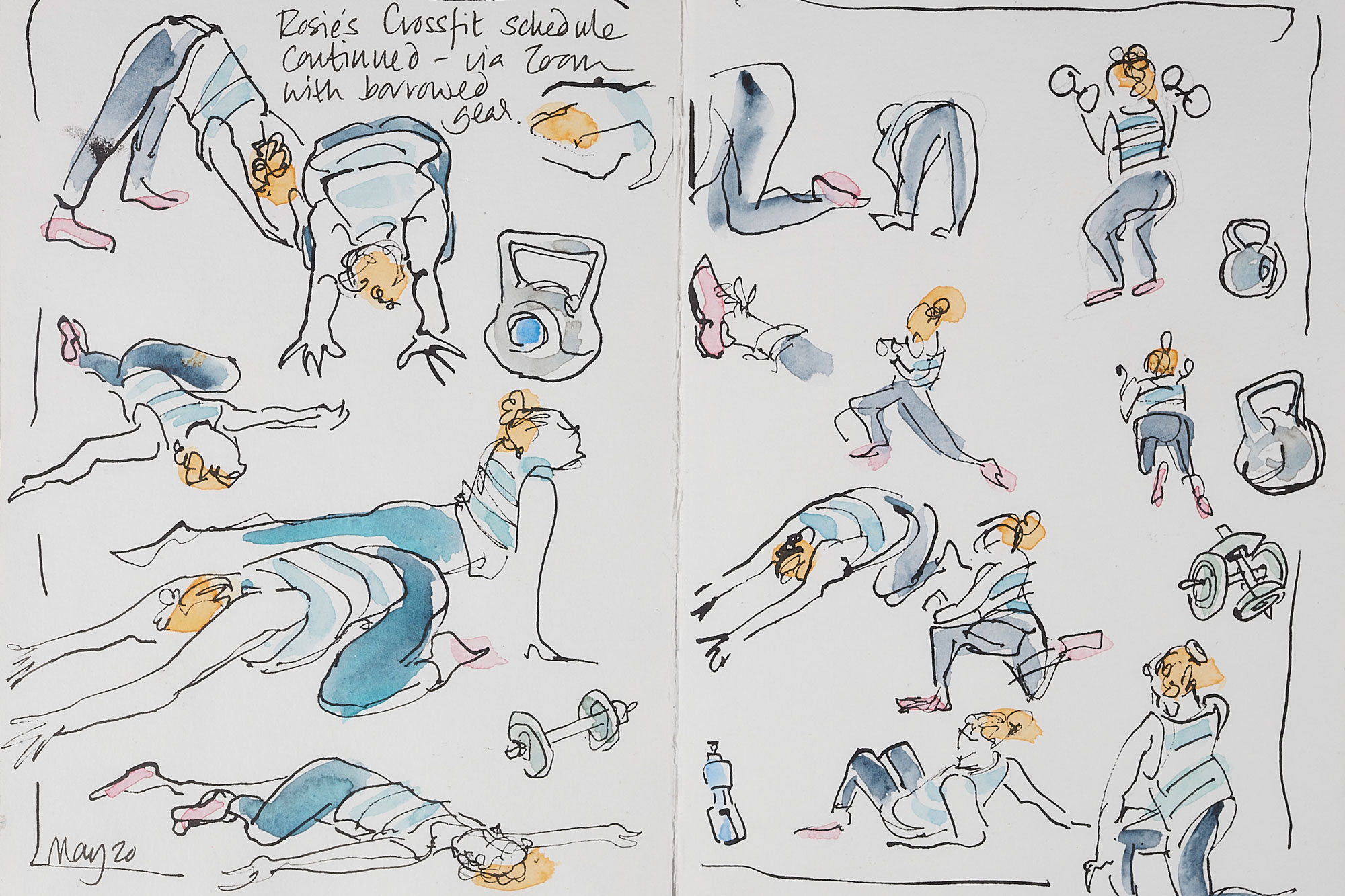
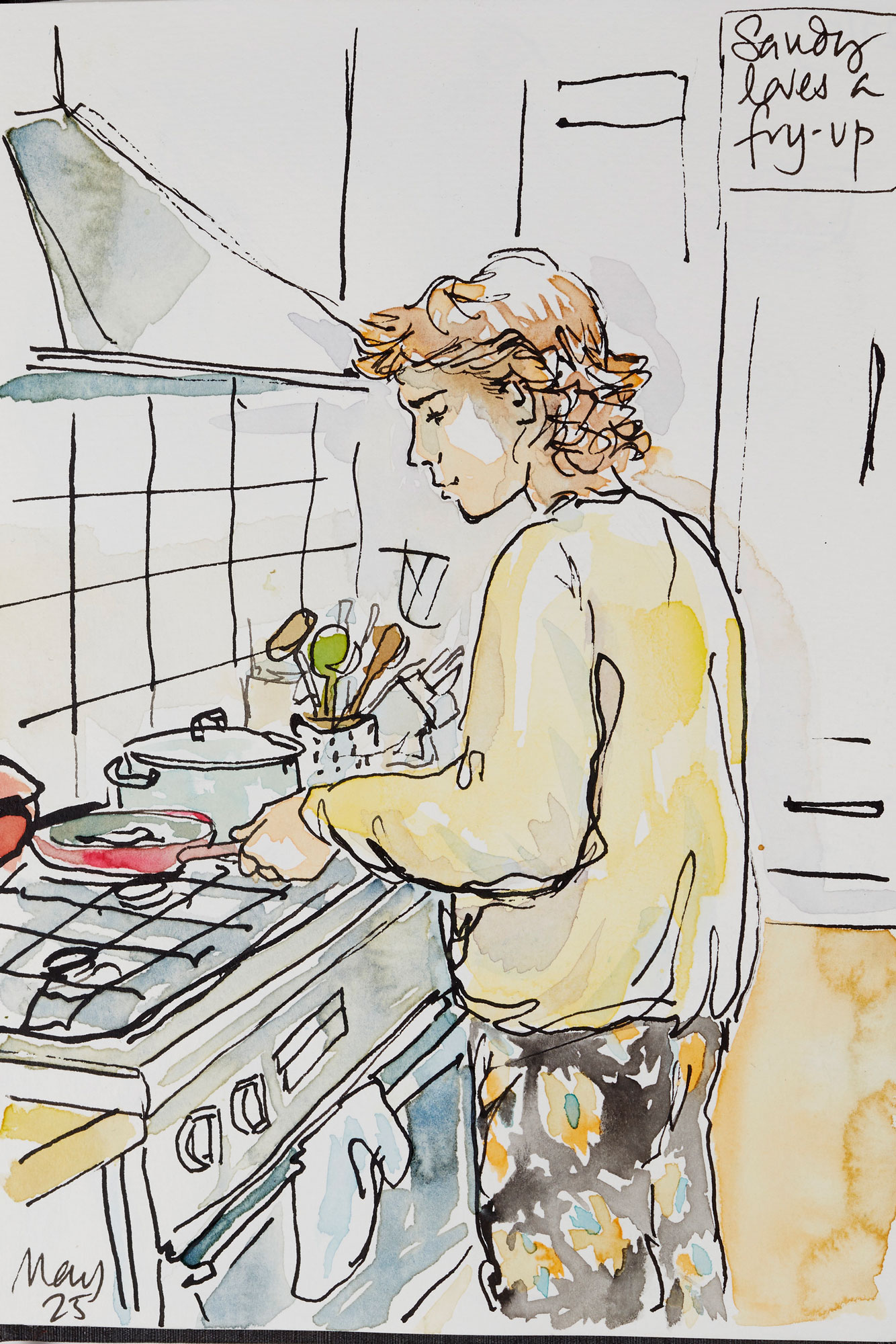
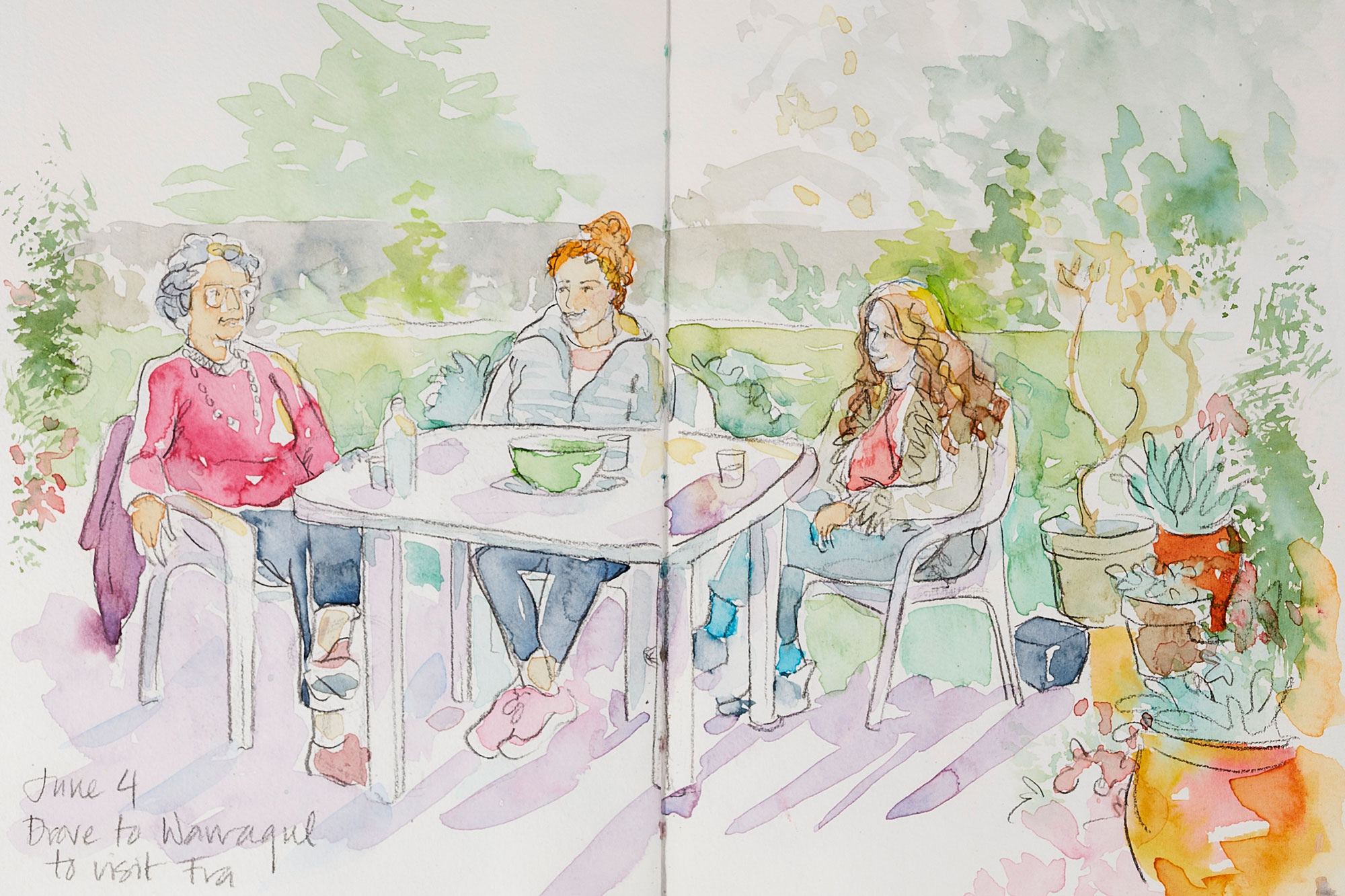
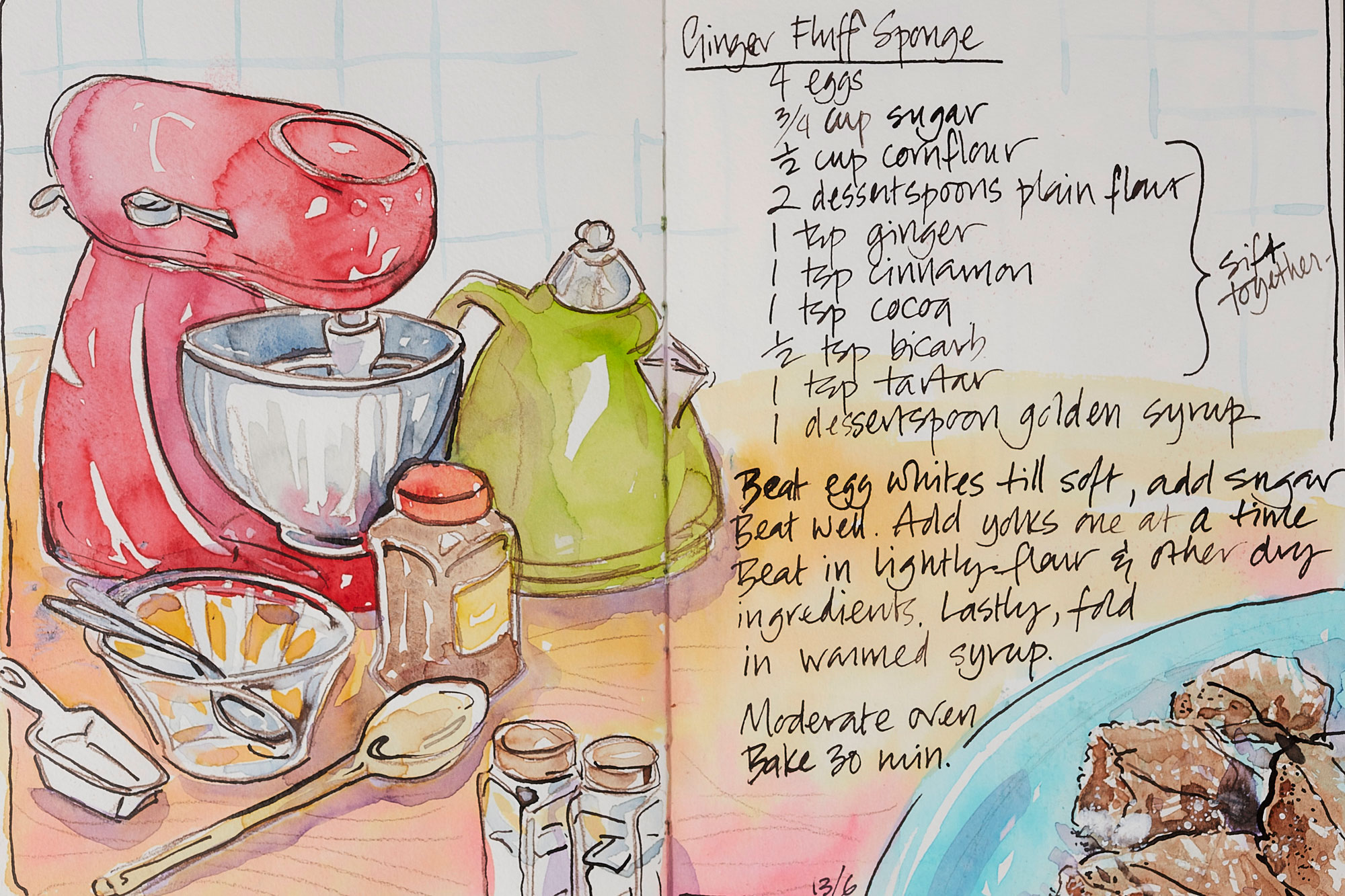
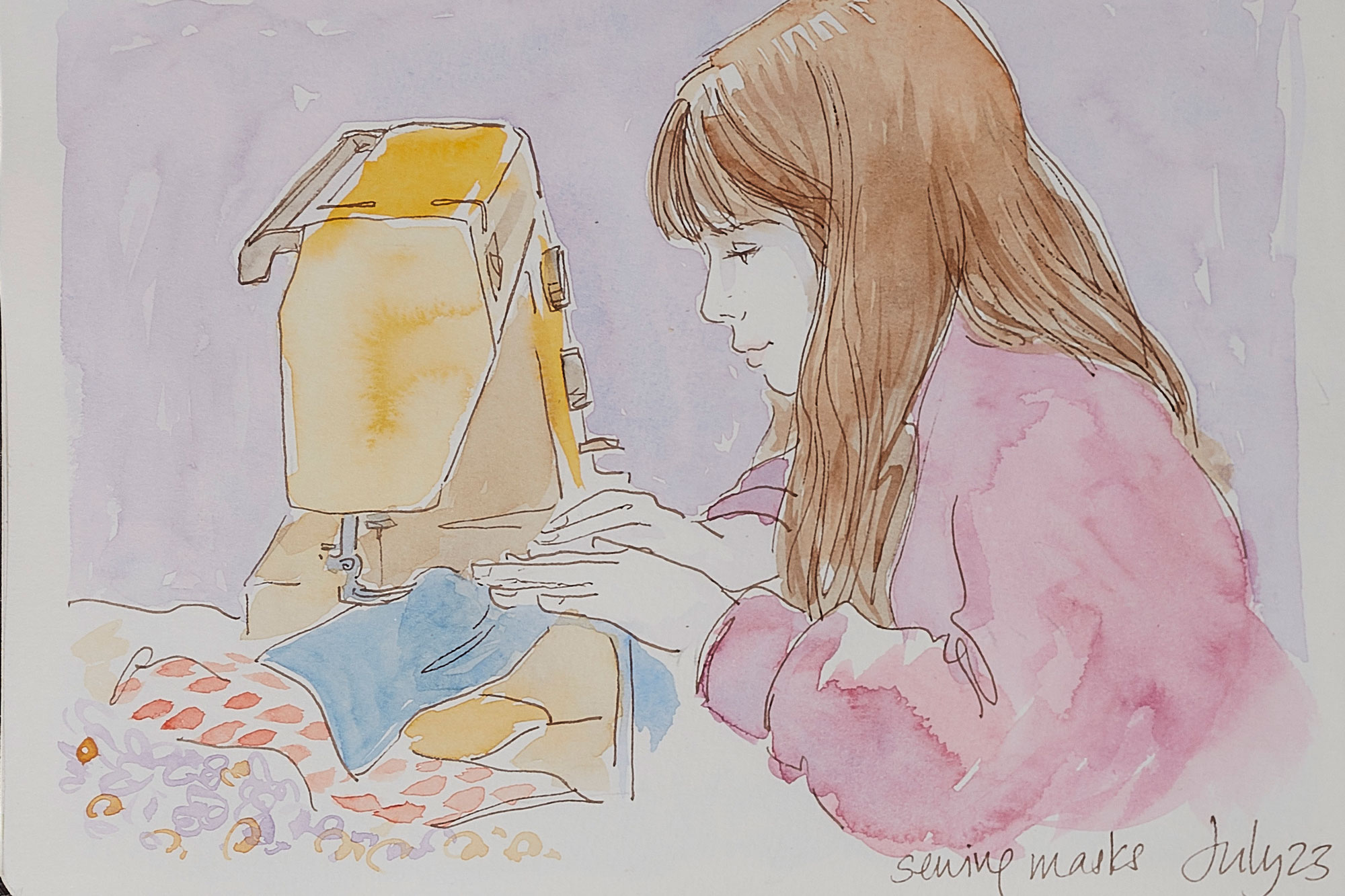
Artist: Liz McGrath, Barwon Heads, Bellarine Peninsula
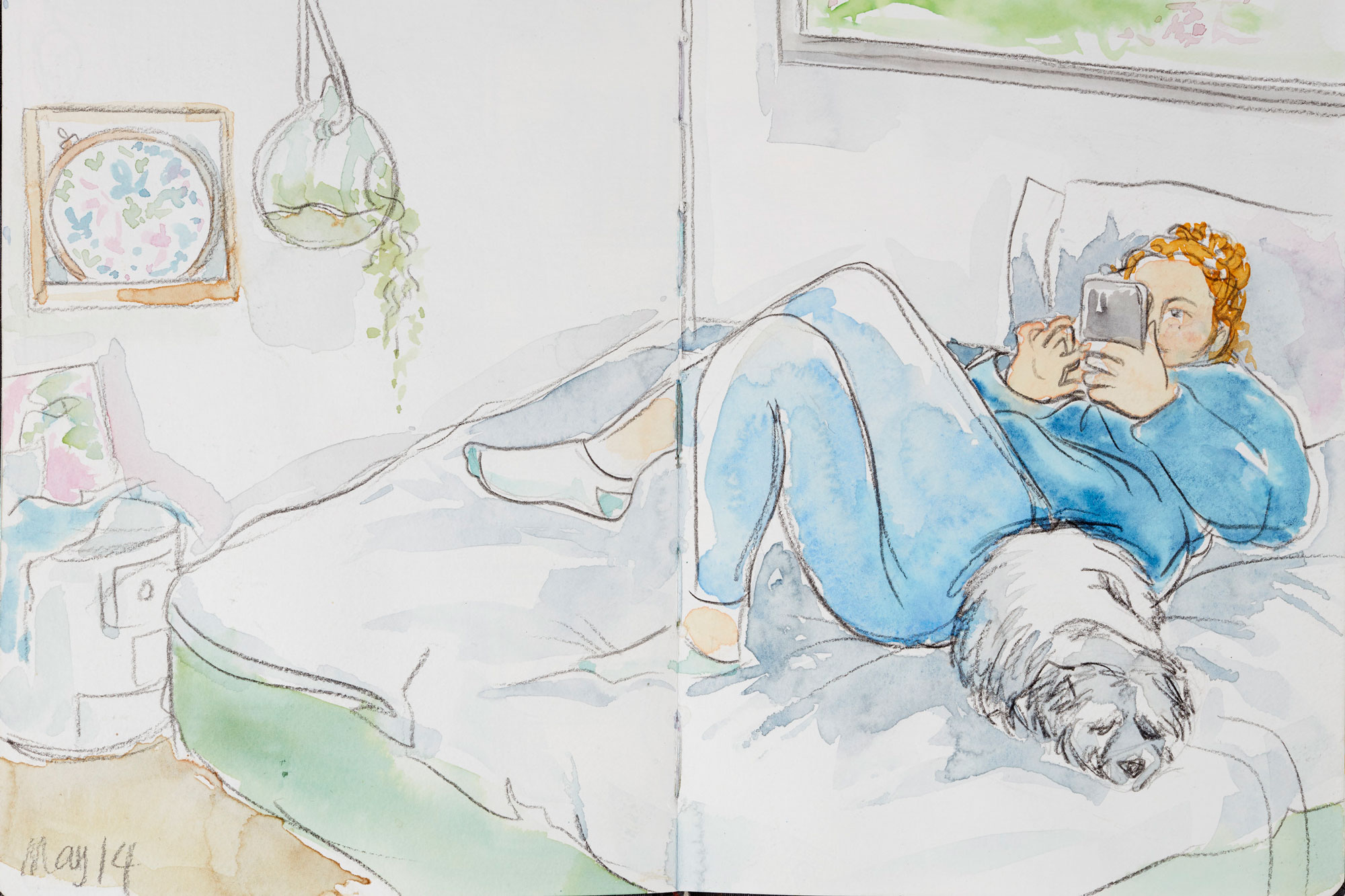
Medium: Watercolour paint – hundreds of sketches across multiple journals
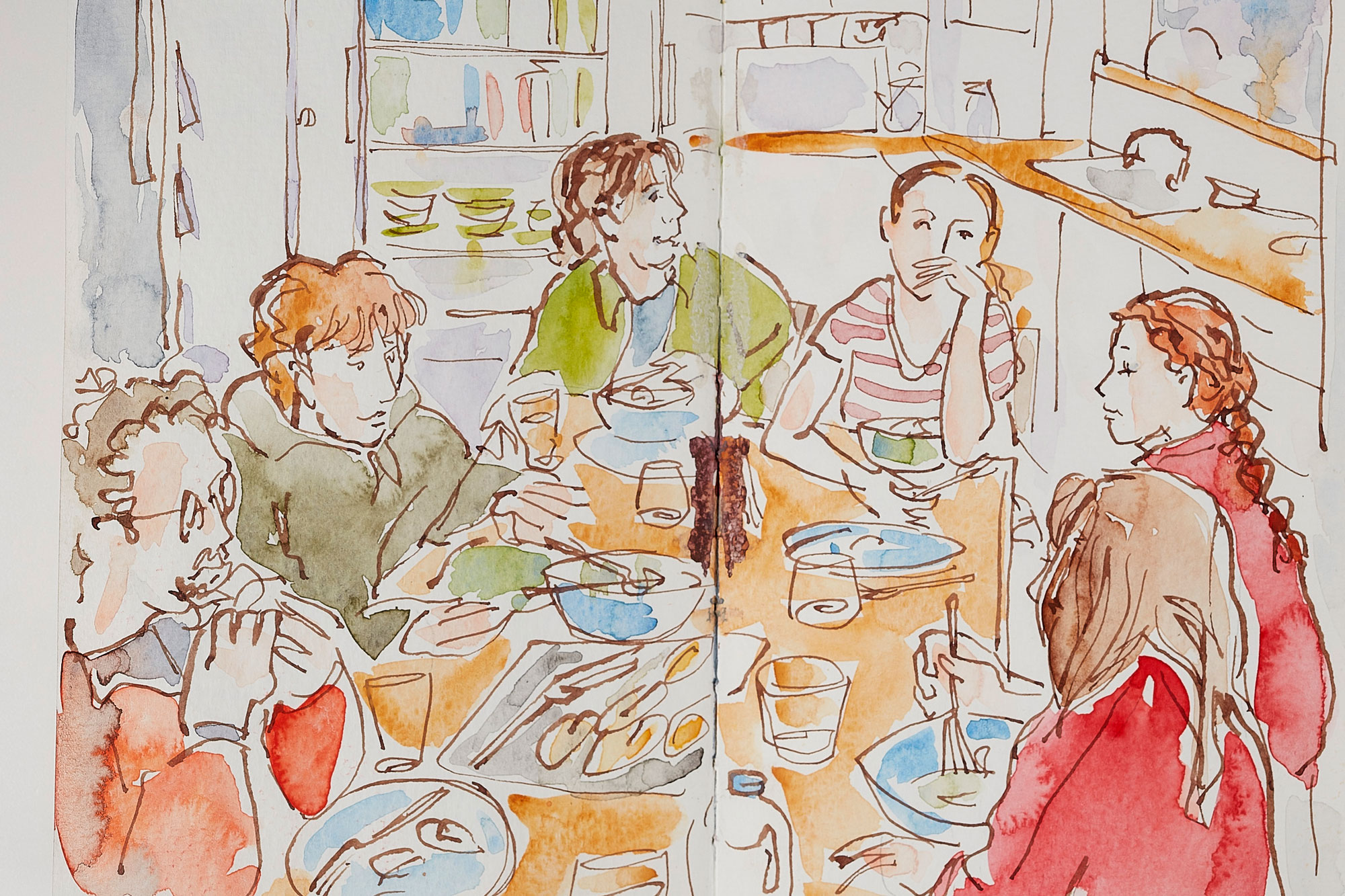
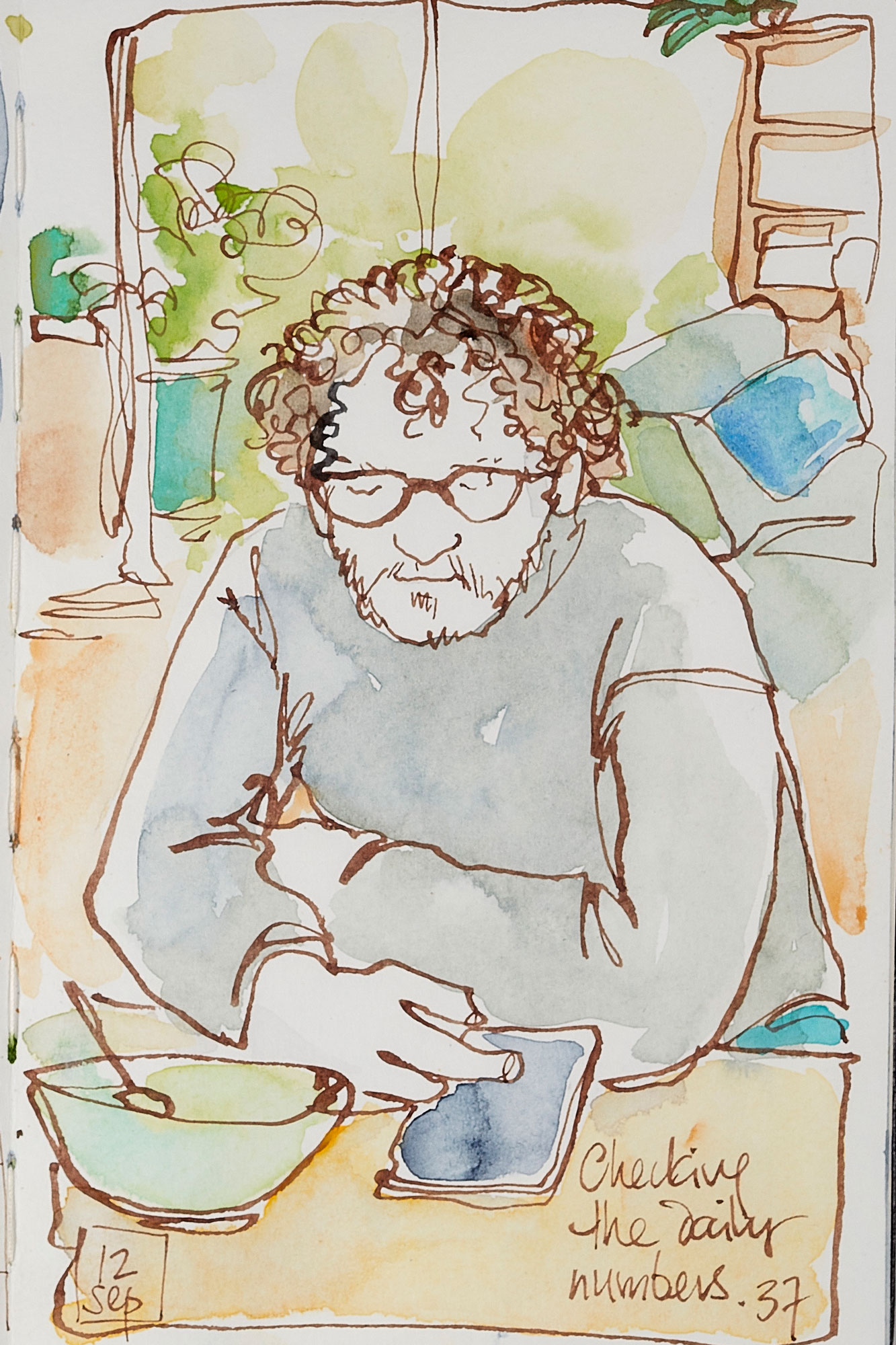
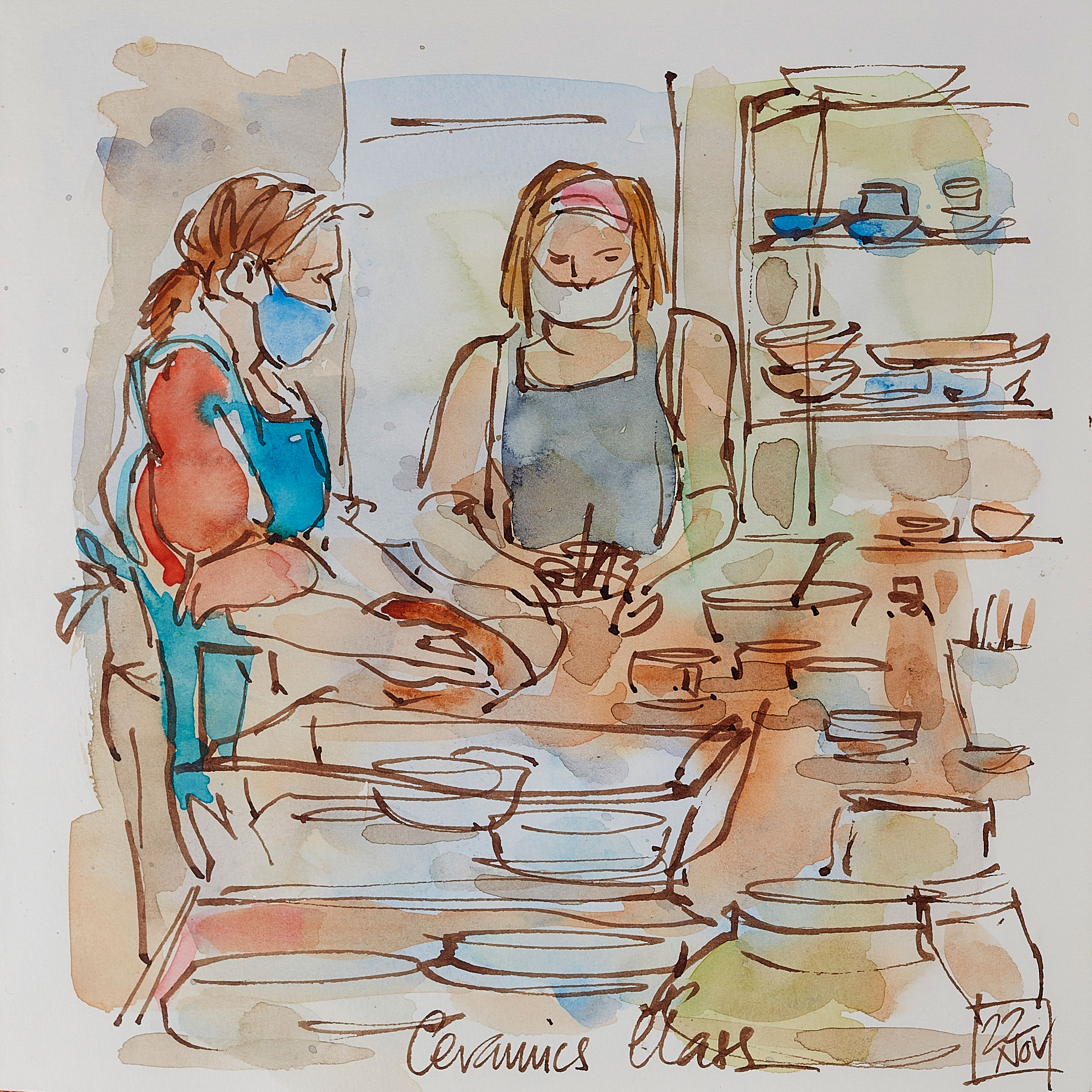
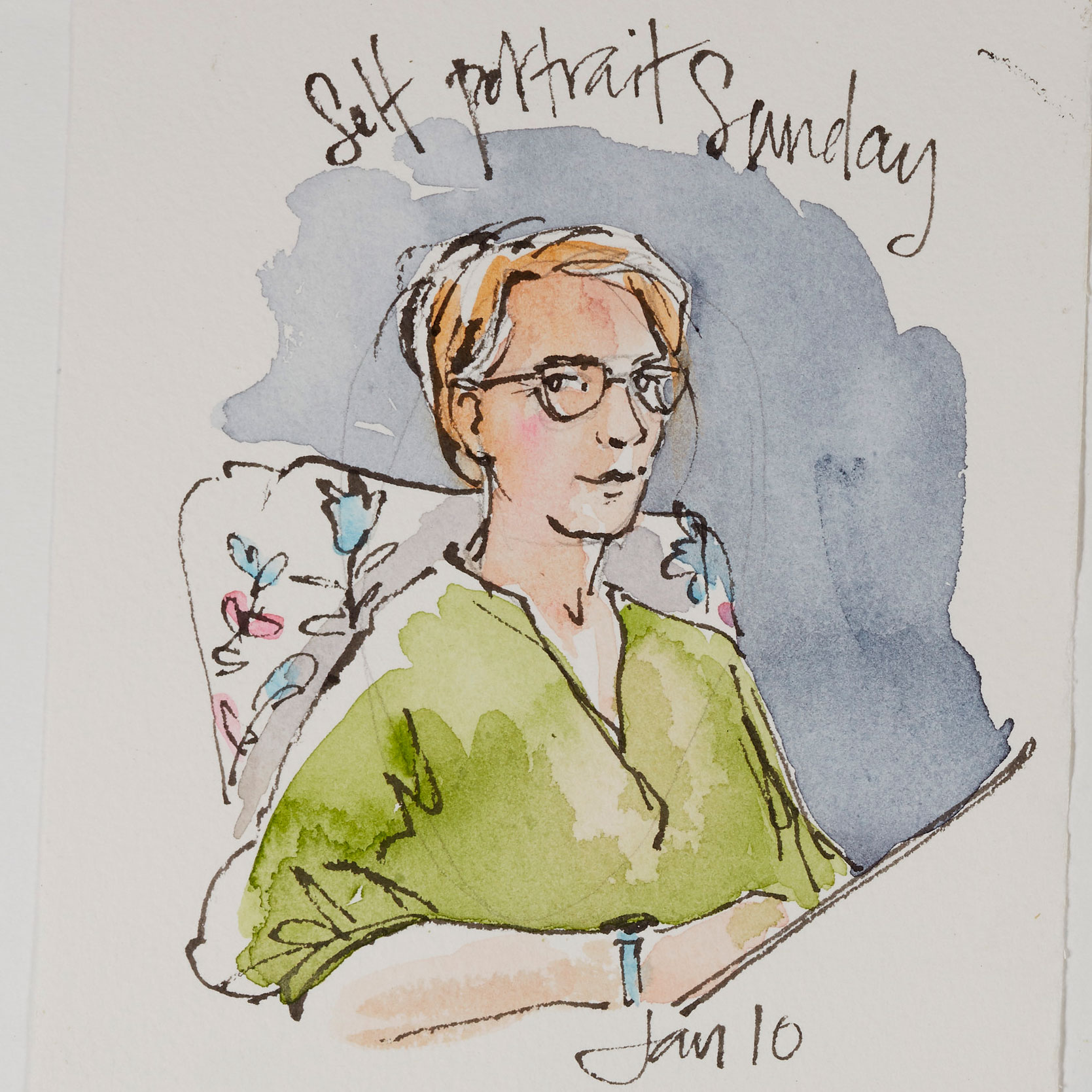
Artist Statement: ‘In early 2020 I decided to make a sketch of my everyday life, each and every day. This idea was sparked in January while on holiday in Vietnam, travelling with my partner and our four teenagers. I made quick sketches in my travel journal, attempting to capture a colourful moment or a scene of street-life. My kids became interested, offering to share my drawings on social media, even setting up an Instagram page for the purpose. Back home in mid-January, ominous news of the COVID virus was appearing in the media but gave us no real inkling of just how strange and challenging the year would become. Coincidentally, I became committed to the idea of drawing and posting a sketch every day for the year as @everydaylizmc. As 2020 unfolded and revealed itself, my daily drawing practice became an important ritual. Through social media my sketches were shared with others and their feedback encouraged me to stick to my promise. Setting some simple guidelines I decided that all sketches had to be drawn directly from my life (not from photos) and each had to be completed in less than 45 minutes.
When Victoria locked down our household took on a very different shape. All our four children were living back at home, three of them studying remotely, and every desk space was occupied. My partner John, a public servant, converted the garden shed into his office, tapping away at a computer amid the secateurs and saws. As an art teacher in Special Ed I juggled both remote and face-to-face teaching roles, and had to go into work in an eerily quiet Geelong twice a week to conduct Zoom sessions from a studio set-up. But for most of the long quiet weeks our house was full, we were locked up together, we felt crowded, some felt trapped and we filled every space… much to the delight of our dog (and chooks). My daily drawing became a reassuring therapy, a simple meditation on gratitude, a moment’s pause to remember how lucky we were.
My daily drawing became a reassuring therapy. — Liz McGrath
Even during the first lockdown, as case numbers spiralled worryingly and the future seemed foggy and unknown, drawing offered me space to reflect on how fortunate we really are… we have a cosy home, company, food and comforts, and live in a safe country. Wet washing hung on a clothes-horse might seem a mundane subject to draw, but it also expressed my gratitude at having a working washing machine and clean hot running water. Each day revealed a simple subject to celebrate: a teenager studying or sprawled on a couch, a meal, something I saw or picked up on a walk in the neighbourhood, something from our garden, someone at work. Facemasks featured: being sewn, washed or worn.
The feedback from followers on Instagram was so lovely, I connected with others in a special way, lots of conversations were sparked and new friendships were made. I live on the Bellarine Peninsula, so during the second lockdown we had more freedoms in regional Victoria than Melburnians. Many Melbourne friends tell me they found comfort in checking in with my daily drawings and looked forward to seeing what I would create next.
I’ve not missed a drawing day since late January 2020 - that’s almost 400 drawings. Each is quite modest in size and all are enclosed within hardbound sketchbooks. In my handbag I carry a sketching and painting kit that I’ve put together, so I’m always ready to draw when the right scene catches my eye - I rarely plan ahead. My sketchbooks fill, they pile up on my kitchen table and eventually they sit cheerily on a shelf - unique snapshots of the life of an everyday Victorian during an extraordinary time. Initially I planned to finish the project at the end of 2020, but as it’s has become a fixed part of my day I’ve decided to continue as long as I’m able.’





Acknowledgement
With the support of the Office for Suburban Development, one of Liz’s sketchbooks – as well as over 40 digital images depicting her sketches – have been acquired into Museum Victoria’s State Collection.
Poem: ‘Walking to Clear My Mind’
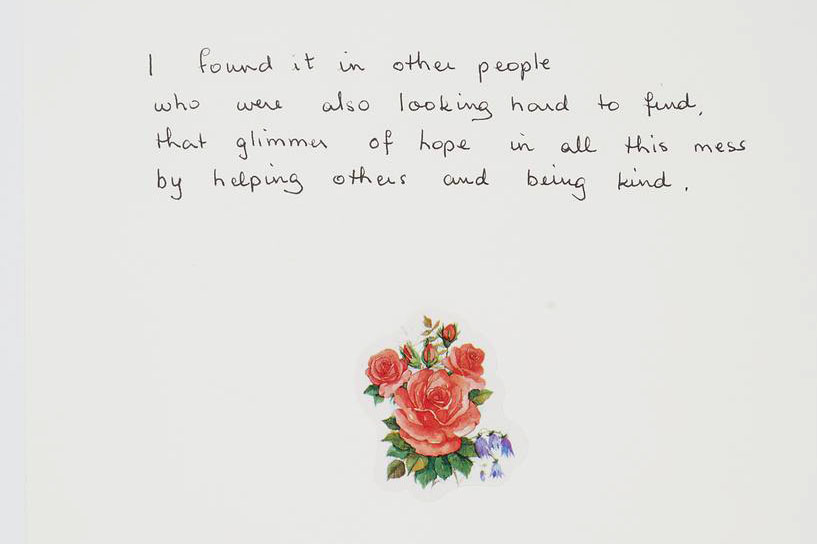
Poet’s Statement: ‘I found that during COVID-19, writing helped me to put things that were going on around me in perspective. Writing some poetry became my outlet, my coping mechanism. This particular poem was written after the end of the second lockdown, when we were finally set free after those long months. One night, I was having trouble sleeping and found myself thinking about exactly how I had managed to cope with the shutdown and I started writing down my thoughts. I realised that, for me, getting out and walking most days and hearing about the kindness of so many people during this period, very much helped me through this black time.’
Writing poetry became my outlet, my coping mechanism. — Marina Maggs
Walking to Clear My Mind
Since March, 2020, our world has been in freefall.
Old routines are all left behind.
Some changes have been drastic,
others, quite frankly, I didn't mind.
Didn't mind the slower pace
and some time to actually unwind.
But with constant news of sadness
and changes of every kind,
I had to look deep inside me
to see the hope I had to find.
I found it in the little things,
in leaving trivial matters behind.
In taking time to smell the roses
and walking to clear my mind.
In saying hello to many strangers
who on the paths I'd find.
In people stopping to have a chat,
and offering assistance of any kind.
In swapping jokes, recipes, veggies and books
and even sometimes a glass of wine.
In seeing teddies in the windows
with children laughing and looking kind.
I found it in many Spoonville villages
growing on our nature strips - a picture divine.
I found it in other people
who were also looking hard to find,
that glimmer of hope in all this mess
by helping others and being kind.
Acknowledgement
With the support of the Office for Suburban Development, a handwritten copy of this poem has been acquired into Museum Victoria’s State Collection.