- Download full article| 420.04 KB .pdf file
Abstract
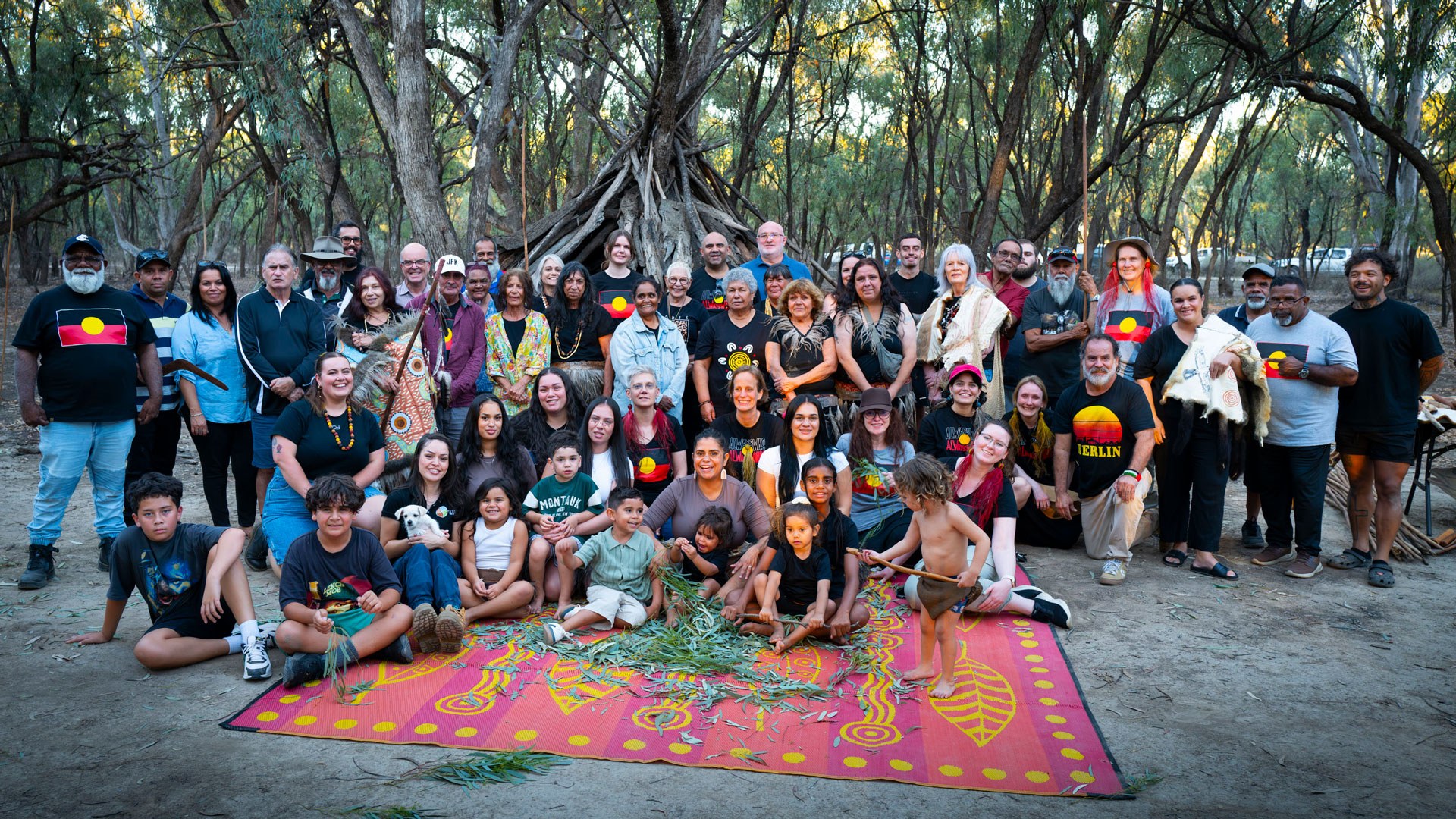
For more than 250 years, First Peoples in Australia have maintained their sovereignty, knowledge systems and relationships to Country despite the ongoing disruptions of settler colonialism. During the nineteenth century, German naturalists contributed to these disruptions through the large-scale removal of plants, animals, fossils and minerals from Country. Many of these materials remain in European institutions today, where they are often treated as neutral scientific specimens. Drawing on the international project Berlin’s Australian Archive: Addressing the Colonial Legacies of Natural History (2022–2025), this article examines how collaborative provenance research can reconnect natural history collections to Country, reconstruct the unequal histories of labour that produced them, and recognise the cultural knowledge and continuing Indigenous authority with which these collections remain in relationship. Based on our joint work on archival records, alongside preserved animals and plants related to the 1856–1857 Murray River expedition held in Berlin and Naarm, we argue that this work repositions natural history collections as living archives that support cultural continuity. At the same time, it has the potential to transform both the institutions that house these collections and the forms of scientific practice they sustain.
DOI
https://doi.org/10.24199/GVRC2930
Citation
Kennedy, M. W. B., Nicholls, G., Schwarz, A. & Carland, R. (2026). Berlin’s Australian Archive: Reframing nature as cultural belonging. PRISM, 2, 70–85 https://doi.org/10.24199/GVRC2930