Commercial passenger jets took to the skies in increasing numbers from the middle of the 20th century. New models of aircraft released by manufacturers including Boeing, Lockheed and McDonnell Douglas carried passengers in increasing comfort.
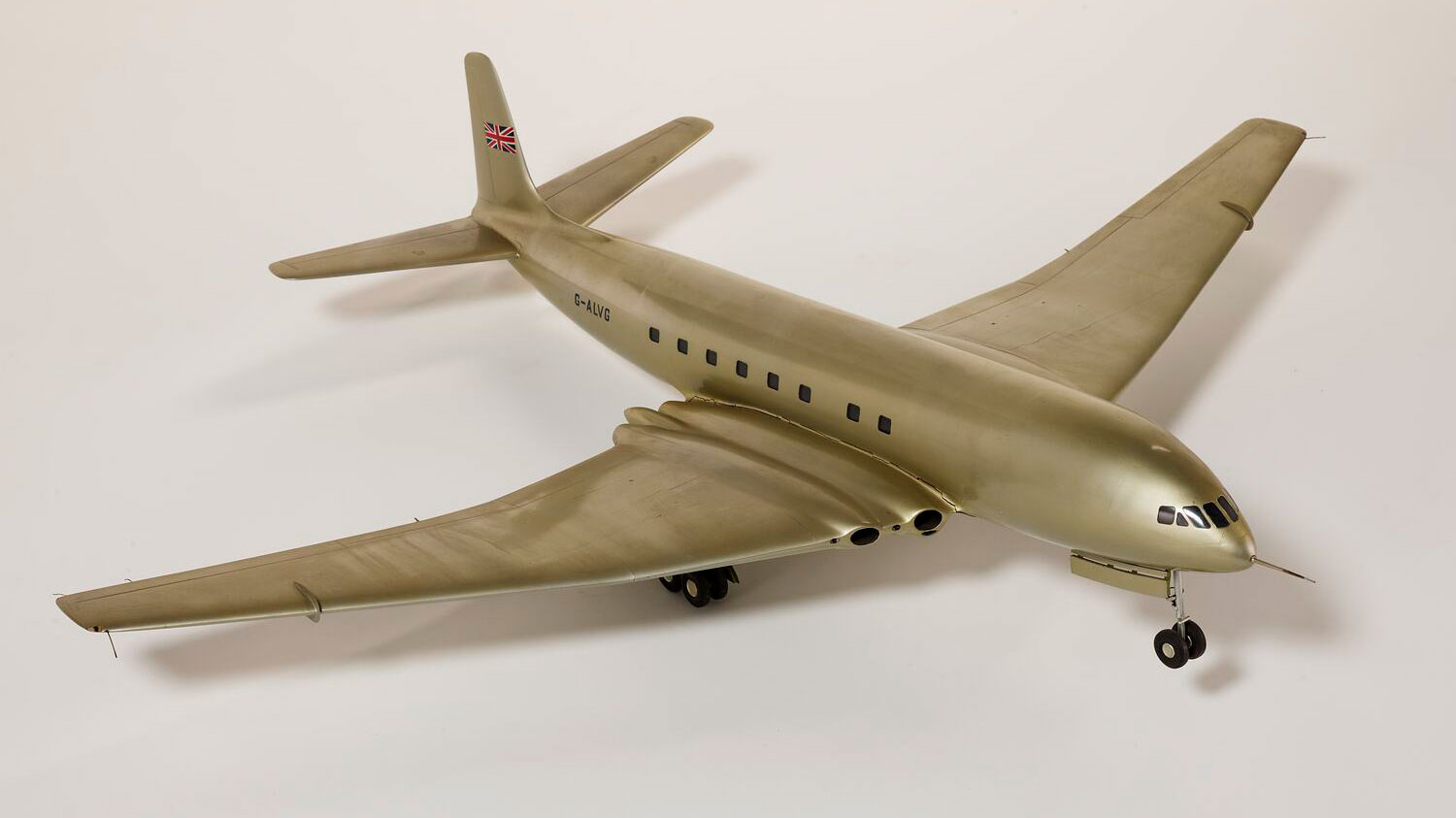
The de Havilland Comet 1 was at the cutting edge of technology as world’s first commercial jet airliner.
The world suddenly seemed much smaller—but this new freedom brought new dangers. Not all passenger planes made it safely to their destinations.
The de Havilland Comet had hidden flaws that would prove fatal. In 1953 two Comets crashed catastrophically in Pakistan and India, with no survivors.
The following year another two Comets crashed off the coast of Italy. The crashes made headlines around the world, and undermined confidence in the new world of international air travel. All passenger Comet 1s were grounded.
Teams around the world began to investigate, including Australia’s Aeronautical Research Laboratory (ARL). Their multi-disciplinary team included Dr David Warren, an expert in jet fuels, who hit upon an idea that would change the world.
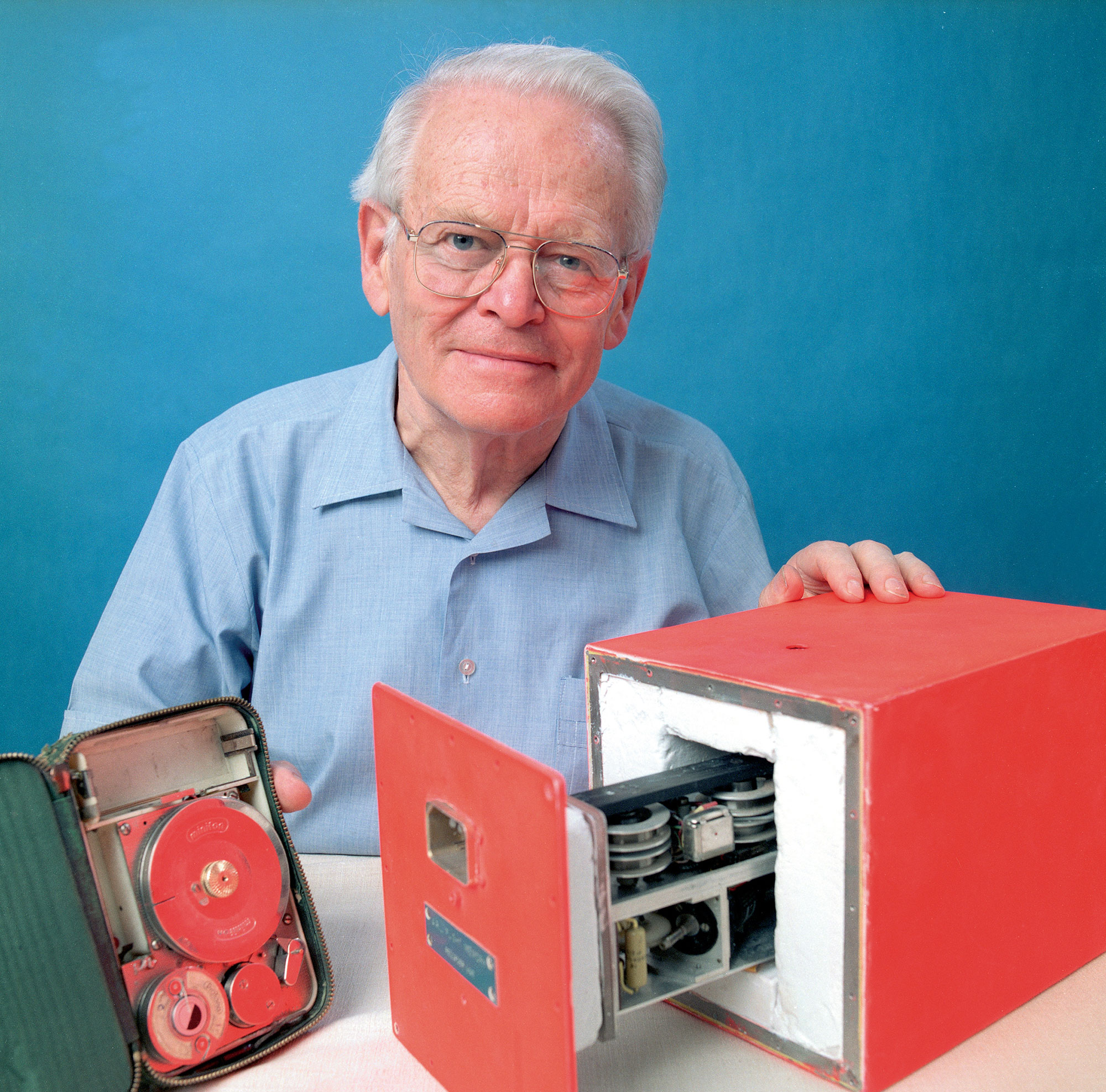
Warren had seen a new recording device, called a Minifon, at a trade fair.
It used magnetised steel wire for recording, and was small, cheap and light. He originally bought a Minifon to copy jazz records for his friends, but soon wondered if it could be installed into aircraft to record what was said in the cockpit during flight.
If the plane crashed there would be a record of what the pilot said, providing clues to what had gone wrong.
But Warren’s boss at ARL wasn’t interested. He reminded Warren it wasn’t his job, told him to pass the idea to instrument research colleagues—and return to testing jet fuels as a cause of plane crashes.
That was until a new manager, Tom Keeble, encouraged Warren to explain his idea in a report.
Although the report received a lukewarm reception, Keeble suggested they unofficially try a Minifon in a plane to see if it would record a pilot’s speech.
The first recordings were hard to hear due to aircraft noise.
Warren worked to improve the microphone in the Minifon and also began recording instrument readings on the same device.
After a year of unofficial trials, the technology was working. Now they needed to build it as a full prototype, and turned to Theon Numa ‘Tych’ Mirfield, a freelance Melbourne instrument maker.
Mirfield agreed to build the prototype for a low fee, since the project wasn’t formally funded.
The Mk1 prototype was based on the Minifon recorder. It contained a continuous loop combining both cockpit voice recording and flight data recording.
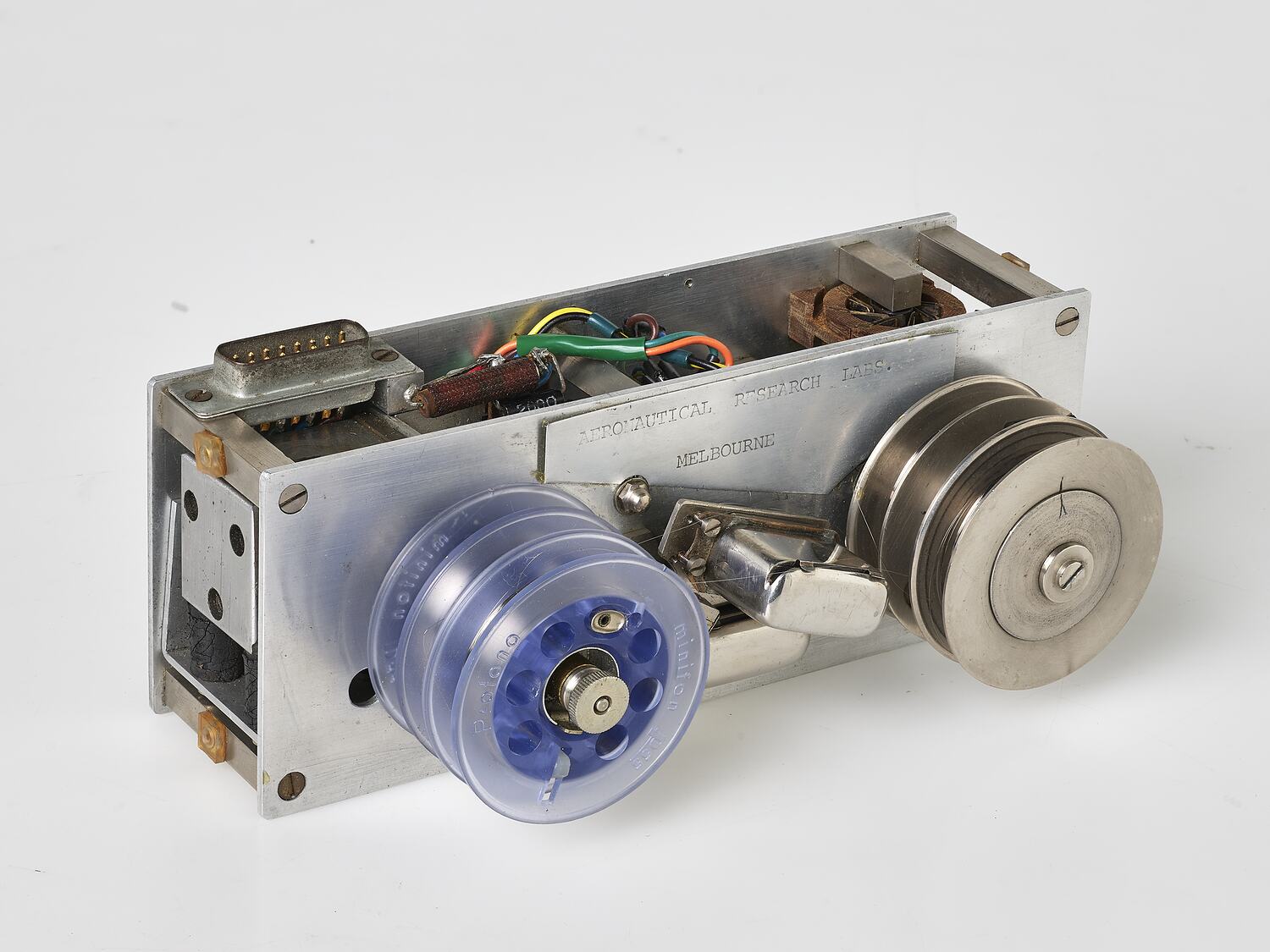
It could record voice for four hours and cockpit instruments for eight hours. Importantly, the voice recording would erase itself once it reached its recording limit, so it would only retain the most recent section before a crash.
The device was flight-tested in a Fokker Friendship F-27 aircraft owned by Australia’s Department of Civil Aviation (DCA), proving that the concept would work.
But even with this prototype, authorities continued to tell David Warren there was no merit in his work.
Dr Warren’s instrument … has little immediate use in civil aviation. — Department of Civil Aviation
Such a device is not required … the recorder would yield more expletives than explanations. — Royal Australian Airforce
No plane would take off in Australia with Big Brother listening. — Australian Federation of Air Pilots
Yet Warren’s personal dedication enabled the research to continue. He knew that this was a potentially game-changing device which could actually revolutionise aircraft accident investigation.
In 1958, after four years of frustration, Warren’s idea seemed to be stalled—until a chance visit by Sir Robert Hardingham, chair of the British Aircraft Registration Board, accompanied by Warren’s boss Lawrence Coombes.
I heard this Pommy voice say ‘I say Coombes, old chap, that’s a damn good idea. Put that young lad on the next courier … and we’ll show them in London.’ And I looked up to Coombes and he had a twinkle in his eye because he could see this was a possible breakthrough, at last. And he said ‘righto, Dave, get your passport ready, you heard what the man said.’ And so I found myself on a bomber going to England. — Dr David Warren
In London, David Warren and his device had a hero’s welcome. And it was also in London where the device got its ‘black box’ misnomer.
During World War II, any piece of equipment that was highly secret and subject to censorship was called a ‘black box’ and the name stuck.
After success in England, David Warren flew home via North America, where he examined other designs for flight recorders. He saw that Australia was leading the competition, so ARL’s Department of Supply, led by Lawrence Coombes, decided to prepare for production.
Warren was provided with electronics engineers Ken Fraser and Lane Sear, and instrument technician Walter Boswell, to develop a production model, incorporating changing international aviation requirements.
Boswell developed an airborne encoder and ground-based decoding units, combining audio and multiple instrument readings into a multiplexed analogue signal that could be saved on the single recording track.
The improved Mk2 design allowed the reels to detach for use in a tumbling aerofoil.
But voice recording was still seen as too controversial—until in 1960, when another tragedy struck.
A Fokker Friendship passenger aircraft plunged into the sea near Mackay in Queensland, killing all aboard.
During the inquiry into the cause of the accident, the judge was told that voice recorders were possible and available.
And at the end of the investigation, he announced that Australian aircraft had to be fitted with voice and data recorders.
Australia became the first country in the world to have mandatory cockpit voice recording.
However, Australian airlines chose American firm, United Data Control, to supply these first recorders which were prone to failure in a crash.
Meanwhile, others recognised the ARL device’s superiority due to the use of steel wire which maximized certainty of retrieval in the event of a fire.
In 1963 David Warren travelled to the United Kingdom with a technician to demonstrate Australian units to S Davall & Sons, which had expressed interest in its commercial development.
But negotiations broke down over licensing arrangements, and as the original design was not patent-protected, Davall decided to proceed alone.
It was another missed opportunity in which the Australian Government and industry failed to capitalise on an original breakthrough by Australian research scientists.
Davall’s ‘red egg’ flight data recorder, based on David Warren’s work, proved commercially successful.
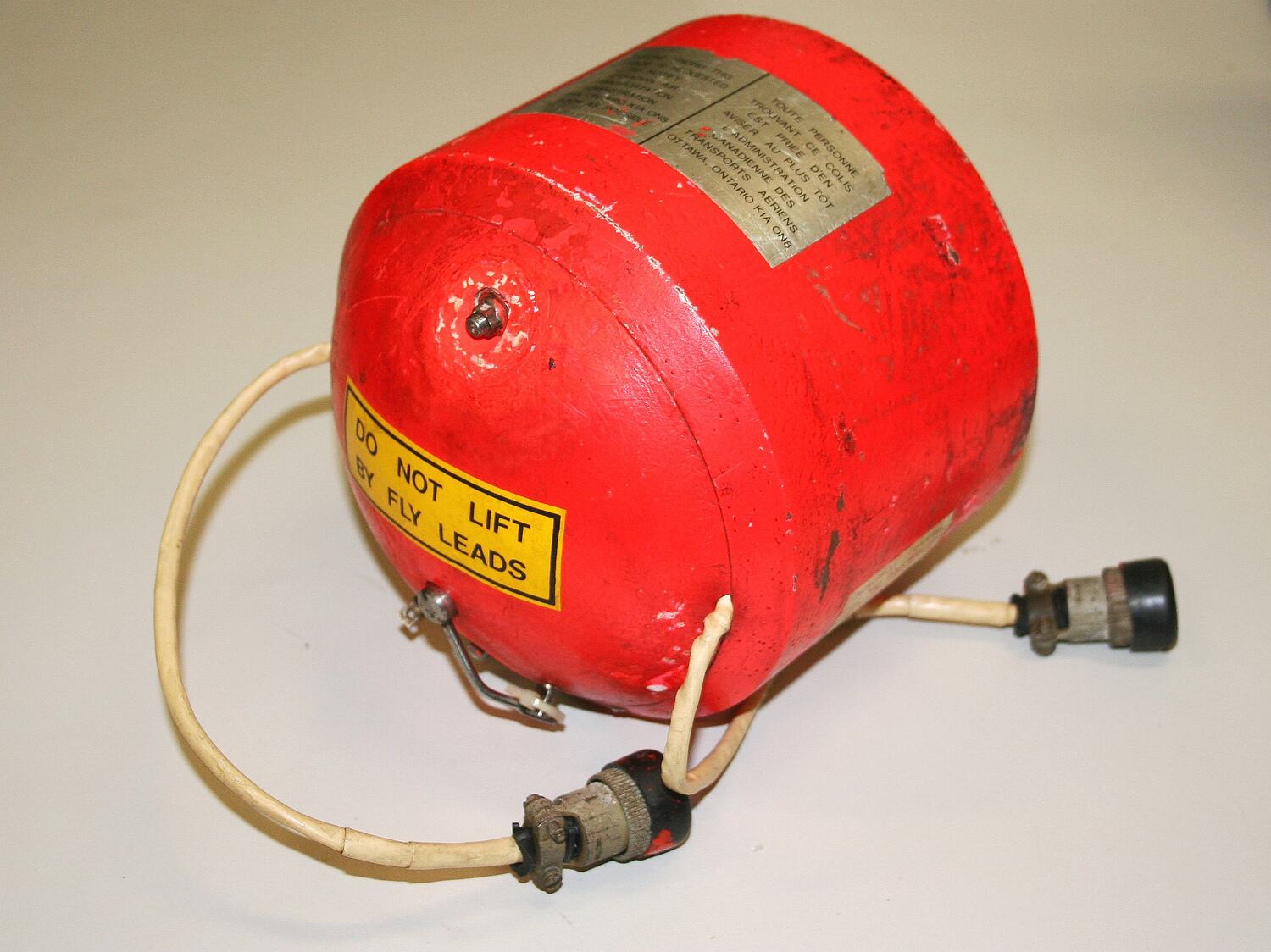
Decades of innovation have improved flight recorders but they still hold true to David Warren’s original vision.
The invention has saved countless lives.
David Warren was eventually recognised for the invention of the black box with an Order of Australia in 2002.
And no one thinks of him more highly than those who rely on his invention every day.
The flight recorders, or black boxes, are the most critical part of an accident investigation and the evidence we can collect. If you find the black box, the mystery of what happened in the accident is usually solved. — Duncan Bosworth, Investigator with the Australian Transport Safety Bureau