At Museums Victoria, we’re committed to reducing our environmental impact and supporting a more sustainable future.
Across our museums, collections facilities and public programs, we’re working to improve how we use energy and resources, reduce greenhouse gas emissions, and share knowledge that helps communities understand and respond to environmental change.
Below, you can learn more about our sustainability commitments, key initiatives and recent progress.
Our approach and commitment to sustainability
Museums Victoria’s Net Zero Plan sets a path to achieving our sustainability goals, reflecting our commitment to a more sustainable future and to the Victorian Government targets outlined in the Climate Change Act 2017.
Central to our understanding of sustainability is the enduring connection of First Peoples to Country. We affirm that every part of Victoria has been known, nurtured and loved by First Peoples, who have applied a profound knowledge of sustainability for tens of thousands of years.
Our sustainability goals are:
- To reduce greenhouse gas emissions across our operations.
- To improve energy efficiency across Museums Victoria sites.
- To increase renewable energy use, including on-site solar and renewable electricity contracts.
- To plan for future electrification of building heating systems and fleet vehicles where practical.
- To embed sustainability into future infrastructure planning.
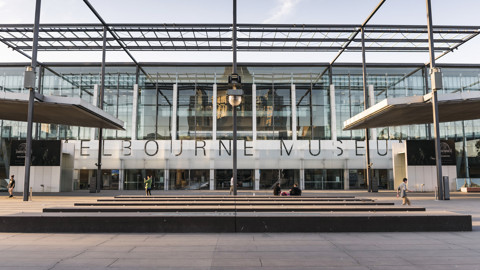
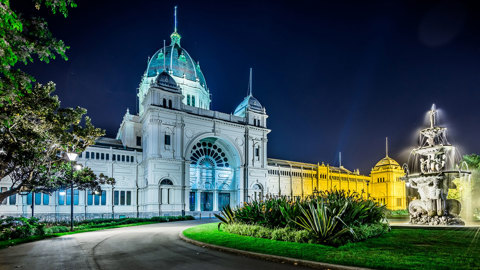
Our environmental data includes all Museums Victoria operations and activities for the reporting period across: Melbourne Museum, including Bunjilaka Aboriginal Cultural Centre, Immigration Museum, Scienceworks, IMAX Melbourne, the Royal Exhibition Building, and our offsite storage facilities in Merri-bek and Spotswood.
How we’re tracking
Museums Victoria reports greenhouse gas emissions using two different scopes, consistent with national and international reporting standards.
- Scope 1: Direct emissions from sources we own or control, including gas-fired boilers, fleet vehicles and forklifts.
- Scope 2: Indirect emissions associated with electricity purchased from the grid.
Our Scope 1 emissions remained largely unchanged during 2025-26 (compared to the previous reporting period), with a slight increase in natural gas use offset by lower consumption of other fuels.
Electricity production and consumption
To reduce electricity consumption, we continue to implement a range of energy-efficiency initiatives across our sites, including:
- Overnight heating, ventilation and air-conditioning (HVAC) setbacks
- Solar (photovoltaic) systems
- Energy-efficient lighting upgrades
- Electronically commutated fans installed on air-conditioning systems
During 2025–26 our total electricity consumption decreased by 5% compared to the previous reporting period.
Stationary fuel use
Stationary fuel emissions are generated by equipment and infrastructure including forklifts, catering equipment and gas-fired boilers used for hot water and heating. We collect this data primarily through billing information from retail suppliers.
During 2025–26 the total fuel used in our buildings and machinery remained consistent with the previous reporting periods. Over time, and as part of our Net Zero Plan, we aim to reduce these emissions through the introduction of electrified heating systems across all buildings and the transition to electric fleet vehicles where practical.
Transportation
During 2025–26, transportation energy use decreased by approximately 36% compared with the previous reporting period.
This reduction was consistent with lower transport activity across the organisation, including reduced fleet vehicle travel and decreased use of mail and delivery services.
Total energy use
Most of our energy consumption is associated with heating, ventilation, air-conditioning, refrigeration, exhibition displays and lighting.
Renewable energy is primarily sourced through a combination of on-site solar generation and 100% renewable grid electricity supplied under SEC contracts for our major sites. We continue to investigate and implement additional energy-efficiency opportunities through work with Energy Services Company (ESCO).
What’s ahead
As we continue this work, we're focused on making meaningful progress toward our sustainability goals while sharing knowledge and inspiring action through our museums, collections and programs. Together, these efforts help build a more sustainable future for Victoria.
To support this ongoing commitment, we’re developing a dedicated Environmental, Social and Governance (ESG) framework and strategy to further strengthen sustainability practices, improve accountability and support long-term decision-making across the organisation. During 2025-26, we also commissioned feasibility reports for heating electrification at the Immigration Museum, Scienceworks and the Merri-bek Collection Facility.
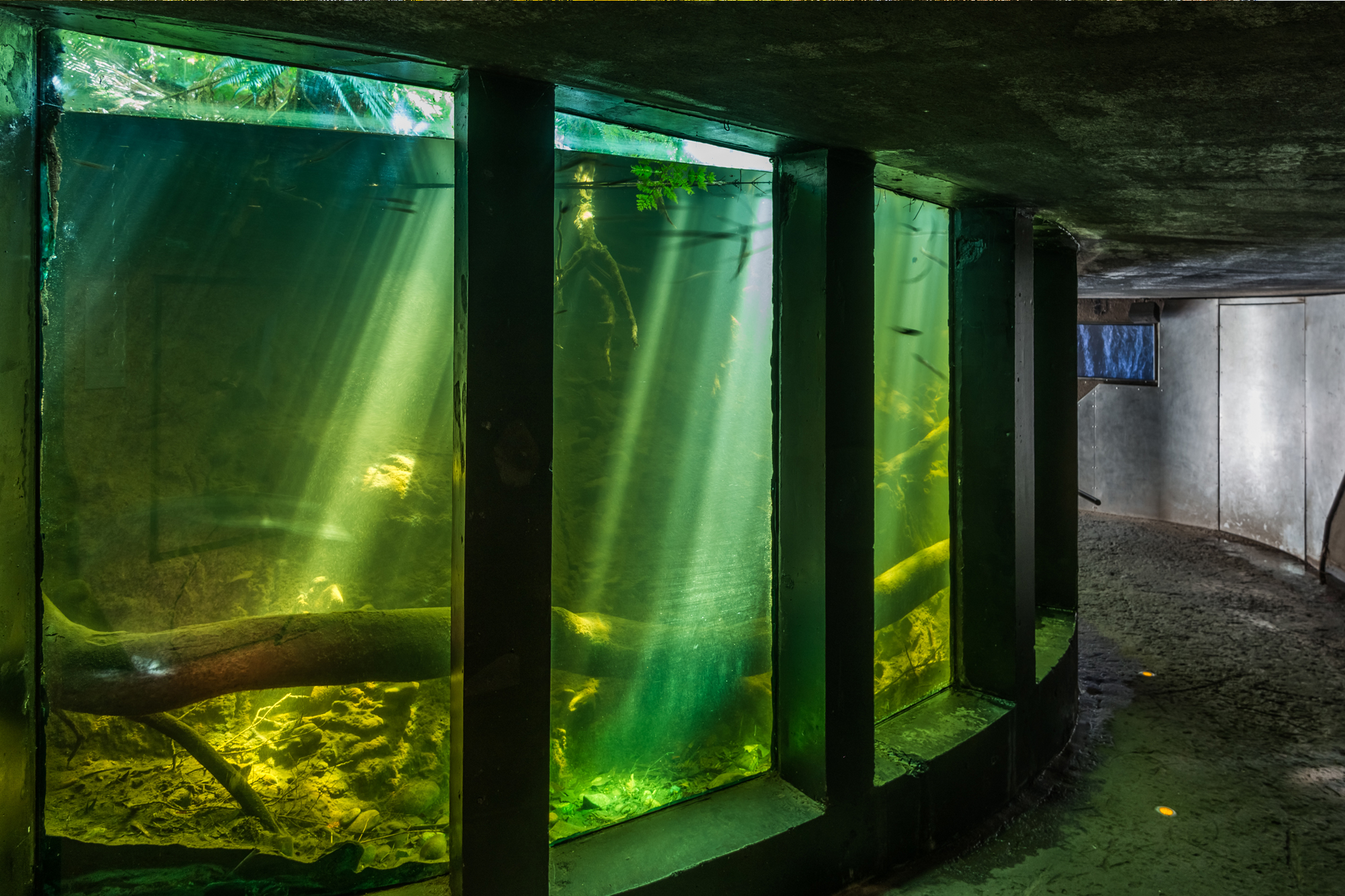
Forest Gallery